Smart Glasses for Environmental Monitoring and Sustainability
Discover how smart glasses can contribute to environmental monitoring and sustainable practices.
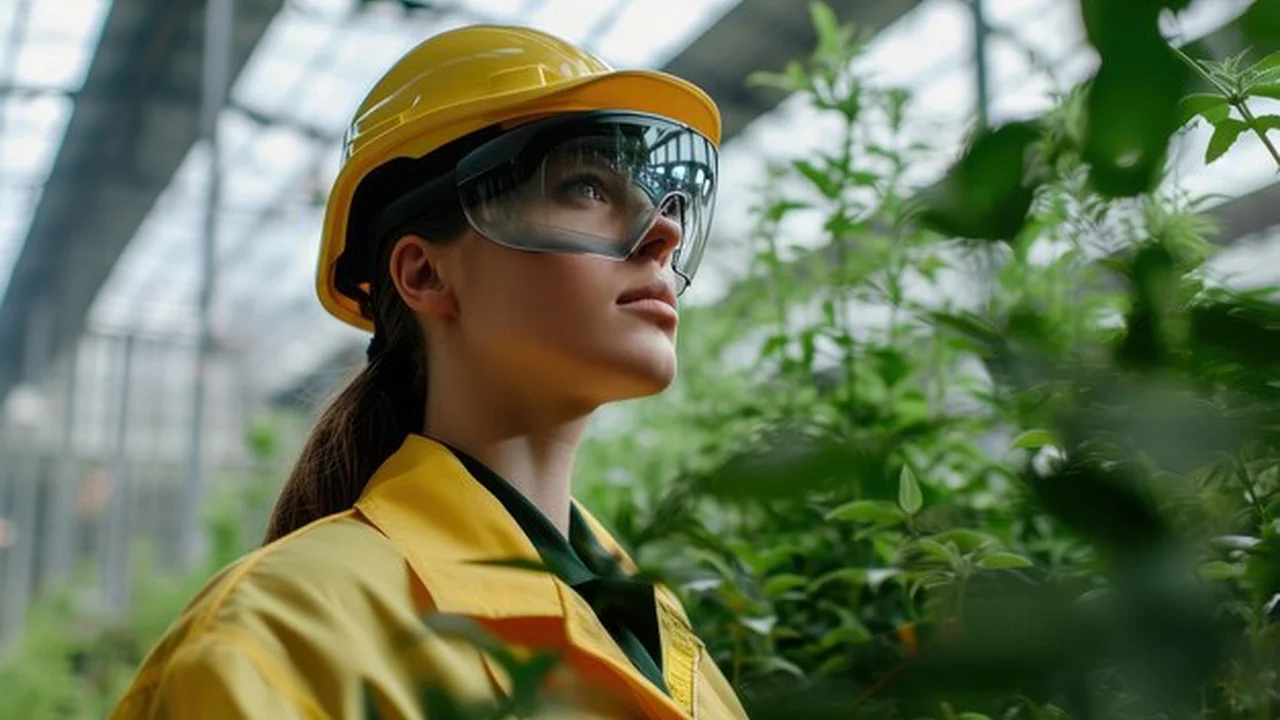
Discover how smart glasses can contribute to environmental monitoring and sustainable practices.
Smart Glasses for Environmental Monitoring and Sustainability
Hey there, eco-conscious tech enthusiasts! Have you ever thought about how those sleek smart glasses could do more than just show you notifications or play music? What if they could actually help us protect our planet? It might sound a bit futuristic, but smart glasses are rapidly evolving, and their potential applications in environmental monitoring and sustainability are truly exciting. We're talking about a whole new way to interact with our environment, gather crucial data, and even promote greener practices. Let's dive into how these wearable wonders are stepping up to the plate for Mother Earth.
Real-time Data Collection with Smart Glasses Environmental Sensors
One of the most compelling uses for smart glasses in environmental monitoring is their ability to collect real-time data. Imagine field researchers, conservationists, or even citizen scientists wearing smart glasses equipped with specialized sensors. These aren't just your average cameras; we're talking about advanced environmental sensors that can detect a multitude of factors. Think about air quality sensors that can measure particulate matter, volatile organic compounds (VOCs), and even specific pollutants like carbon monoxide or nitrogen dioxide. Water quality sensors could analyze pH levels, turbidity, dissolved oxygen, and the presence of contaminants in rivers, lakes, or oceans. Noise pollution sensors could map sound levels in urban areas or sensitive wildlife habitats. The beauty of smart glasses is that this data can be collected hands-free, allowing the wearer to focus on their surroundings while the glasses do the heavy lifting of data acquisition. This real-time feedback is invaluable for identifying pollution hotspots, tracking environmental changes, and responding quickly to potential threats. For instance, a team monitoring a forest could instantly detect changes in air composition indicating a nearby wildfire, or a marine biologist could get immediate readings on ocean acidity levels while diving.
Augmented Reality for Environmental Visualization and Analysis
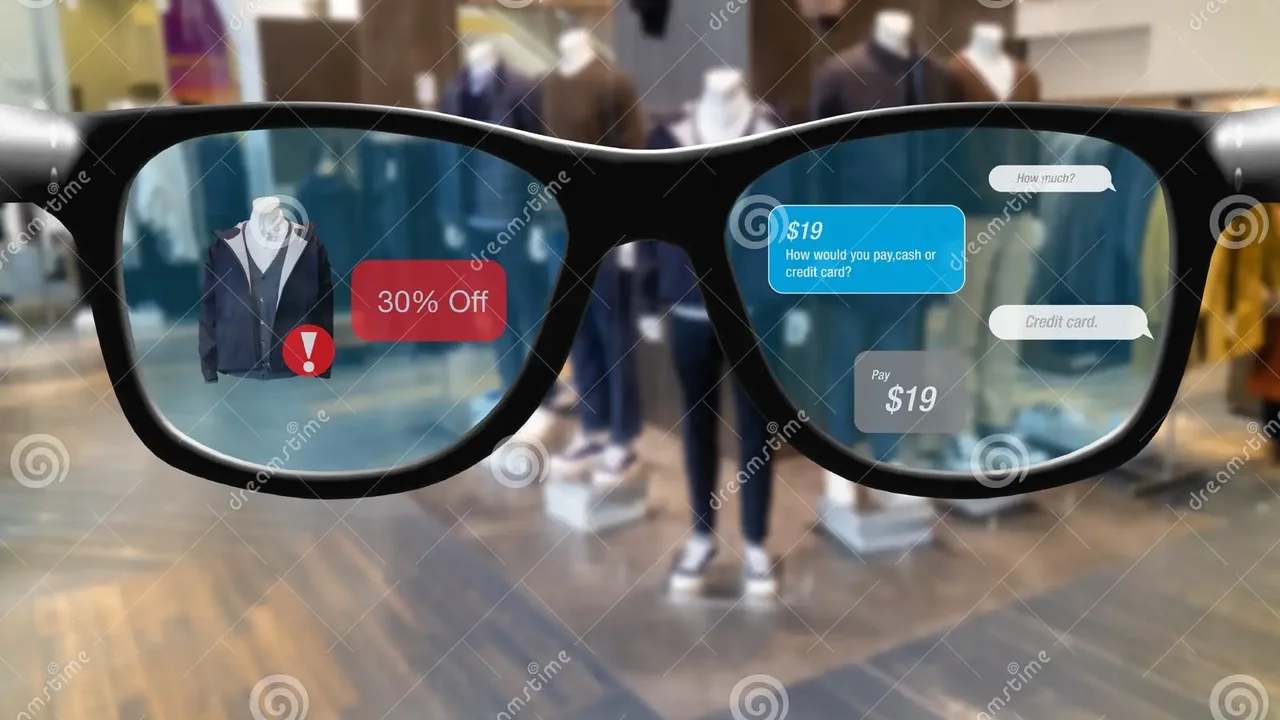
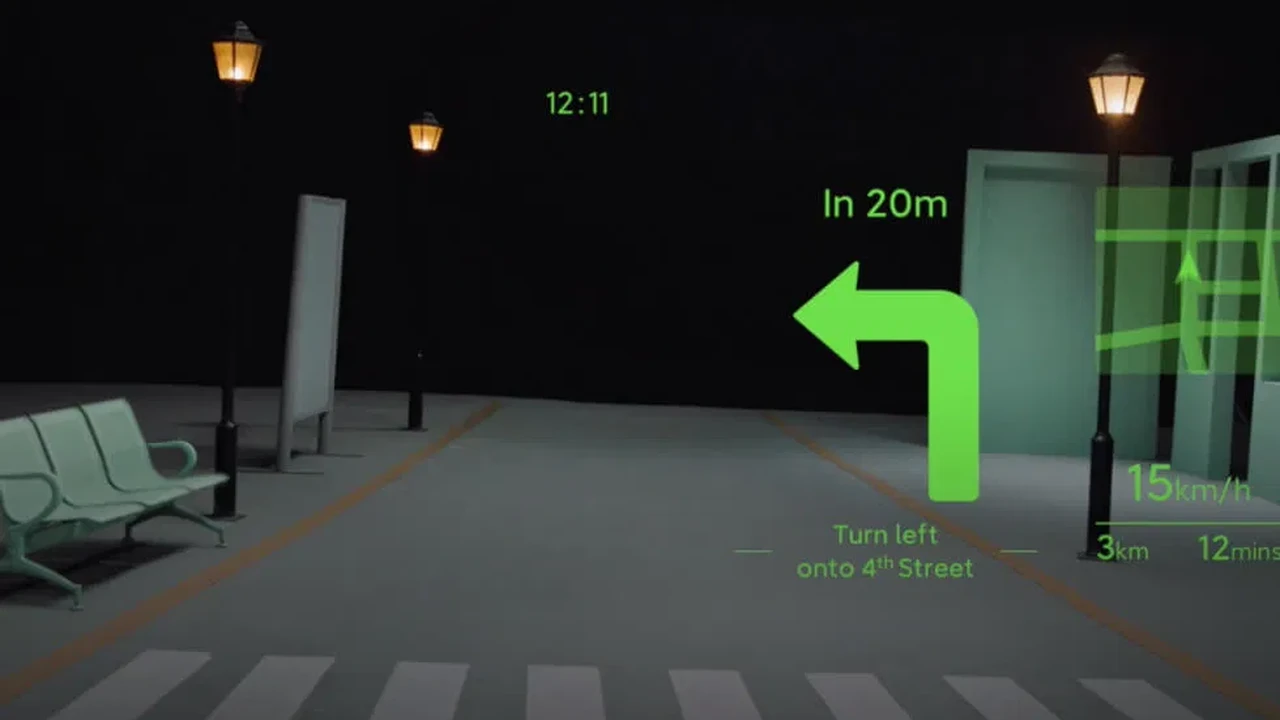
Beyond just data collection, smart glasses with augmented reality (AR) capabilities can transform how we visualize and analyze environmental information. Imagine walking through a park and seeing AR overlays that display the air quality index for different zones, or identifying specific plant species with their ecological roles highlighted. For urban planners, AR smart glasses could project future development plans onto existing landscapes, allowing them to assess environmental impact in real-time. In disaster management, first responders could use AR to visualize flood levels, identify safe evacuation routes, or locate hazardous materials. This isn't just about pretty graphics; it's about making complex environmental data intuitive and actionable. AR can help us understand the invisible, making pollution visible, or showing the interconnectedness of ecosystems. It can also be a powerful tool for education, allowing students to interact with virtual models of ecosystems or observe the effects of climate change in a simulated environment. This immersive visualization can foster a deeper understanding and appreciation for environmental issues, encouraging more sustainable behaviors.
Smart Glasses for Sustainable Resource Management and Efficiency
Smart glasses aren't just for monitoring; they can also play a significant role in promoting sustainable resource management and operational efficiency across various industries. In agriculture, farmers could use smart glasses to monitor crop health, identify pest infestations early, and optimize irrigation, leading to reduced water and pesticide use. In manufacturing, workers could receive AR instructions for assembling products more efficiently, reducing waste and energy consumption. For energy auditors, smart glasses could highlight areas of heat loss in buildings, pinpointing where insulation needs improvement. In waste management, smart glasses could guide workers to sort recyclable materials more accurately, improving recycling rates. The hands-free nature of smart glasses means workers can access critical information, checklists, and even remote expert assistance without interrupting their tasks. This leads to fewer errors, less material waste, and more efficient use of resources, all contributing to a more sustainable operational footprint. Think about a technician repairing a wind turbine; with smart glasses, they could access schematics, receive real-time diagnostics, and even get live guidance from an expert miles away, reducing travel and repair time.
Specific Smart Glasses Models and Their Environmental Potential
While many smart glasses are still primarily consumer-focused, several models and emerging technologies show immense promise for environmental applications. Let's look at a few and how they could be adapted or are already being used:
Google Glass Enterprise Edition 2 for Industrial Environmental Audits
Price: Approximately $999 USD (for enterprise customers)
Use Case: Industrial environmental audits, field data collection, remote expert assistance.
Comparison: Unlike consumer smart glasses, Google Glass Enterprise Edition 2 is designed for rugged industrial environments. Its robust build and focus on hands-free operation make it ideal for professionals conducting environmental assessments in challenging conditions. It can be integrated with custom software for specific data logging and reporting. Its camera can capture visual evidence of environmental compliance or non-compliance, and its display can show real-time sensor data from connected devices. Imagine an environmental inspector using it to document emissions from a factory, with the glasses automatically logging time, location, and even integrating with external gas detectors.
Vuzix Smart Glasses for Remote Environmental Inspections and Training
Price: Varies by model, e.g., Vuzix Blade 2 around $1,299 USD, M400/M4000 series higher.
Use Case: Remote environmental inspections, training for sustainable practices, hazardous waste management.
Comparison: Vuzix offers a range of smart glasses, many of which are designed for enterprise use. Their M-series (M400, M4000) are particularly robust, offering strong processing power and connectivity. They excel in remote assistance scenarios, allowing environmental experts to guide field workers through complex procedures, such as sampling contaminated sites or performing equipment maintenance that reduces energy consumption. The ability to stream live video and audio, combined with AR overlays, means a remote expert can virtually be on-site, reducing the need for travel and its associated carbon footprint. For training, AR overlays can guide new employees through sustainable operational procedures, ensuring best practices are followed from day one.
Nreal Air for Public Environmental Awareness and Education
Price: Approximately $379 USD
Use Case: Public environmental awareness campaigns, interactive educational experiences, visualizing climate data.
Comparison: While more consumer-oriented, Nreal Air's lightweight design and impressive display make it suitable for engaging the public. Imagine an exhibition where visitors wear Nreal Air glasses and see AR visualizations of local biodiversity, the impact of plastic pollution on oceans, or the effects of rising sea levels on coastal communities. Its portability means it can be used in various settings, from classrooms to public spaces, making environmental education more immersive and impactful. It's less about data collection and more about data visualization and storytelling, which is crucial for fostering public engagement and behavioral change towards sustainability.
Emerging Technologies and Future Potential
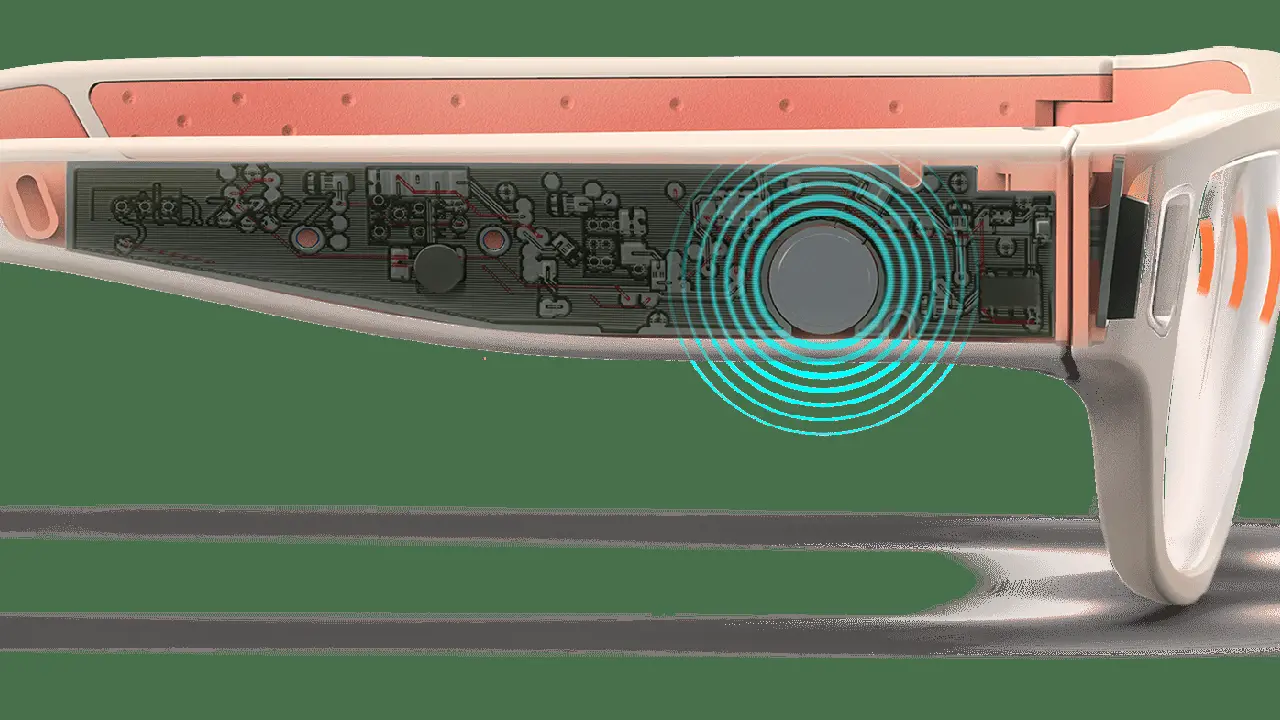
Beyond these existing models, the future holds even more promise. We're seeing advancements in miniaturized sensors that can be seamlessly integrated into smart glasses, making them even more versatile for environmental monitoring. Imagine smart glasses with integrated hyperspectral cameras that can detect subtle changes in plant health before they're visible to the naked eye, or even identify specific types of pollution from a distance. The integration of AI and machine learning will allow smart glasses to not only collect data but also analyze it on the fly, providing immediate insights and recommendations. For example, AI could identify invasive species in real-time or predict areas prone to environmental degradation based on collected data. Furthermore, the development of more energy-efficient components and sustainable manufacturing processes for smart glasses themselves will contribute to their overall environmental benefit. The goal is to create a symbiotic relationship where technology helps us understand and protect our environment, while also being developed and used responsibly.
Challenges and Considerations for Widespread Adoption
Of course, it's not all sunshine and rainbows. There are challenges to overcome before smart glasses become ubiquitous tools for environmental sustainability. Cost is a significant factor, especially for advanced enterprise models. Data privacy and security are also paramount; collecting environmental data, especially in public spaces, raises questions about who owns the data and how it's used. The ruggedness and battery life of these devices need to improve for prolonged field use. And, of course, user acceptance and training are crucial. People need to be comfortable wearing and operating these devices in various environmental conditions. However, as technology advances and costs decrease, we can expect to see smart glasses becoming increasingly common in environmental applications. The potential benefits for our planet are simply too great to ignore.
So, next time you see a pair of smart glasses, remember they might just be the next big thing in helping us monitor, understand, and ultimately protect our precious environment. It's an exciting frontier where technology and ecology converge for a greener future.
:max_bytes(150000):strip_icc()/277019-baked-pork-chops-with-cream-of-mushroom-soup-DDMFS-beauty-4x3-BG-7505-5762b731cf30447d9cbbbbbf387beafa.jpg)