Xiaomi Smart Glasses Review Design and Functionality
An in-depth review of Xiaomi Smart Glasses, examining their design, functionality, and overall user experience.

An in-depth review of Xiaomi Smart Glasses, examining their design, functionality, and overall user experience.
Xiaomi Smart Glasses Review Design and Functionality
Exploring Xiaomi Smart Glasses Design Aesthetics and Build Quality
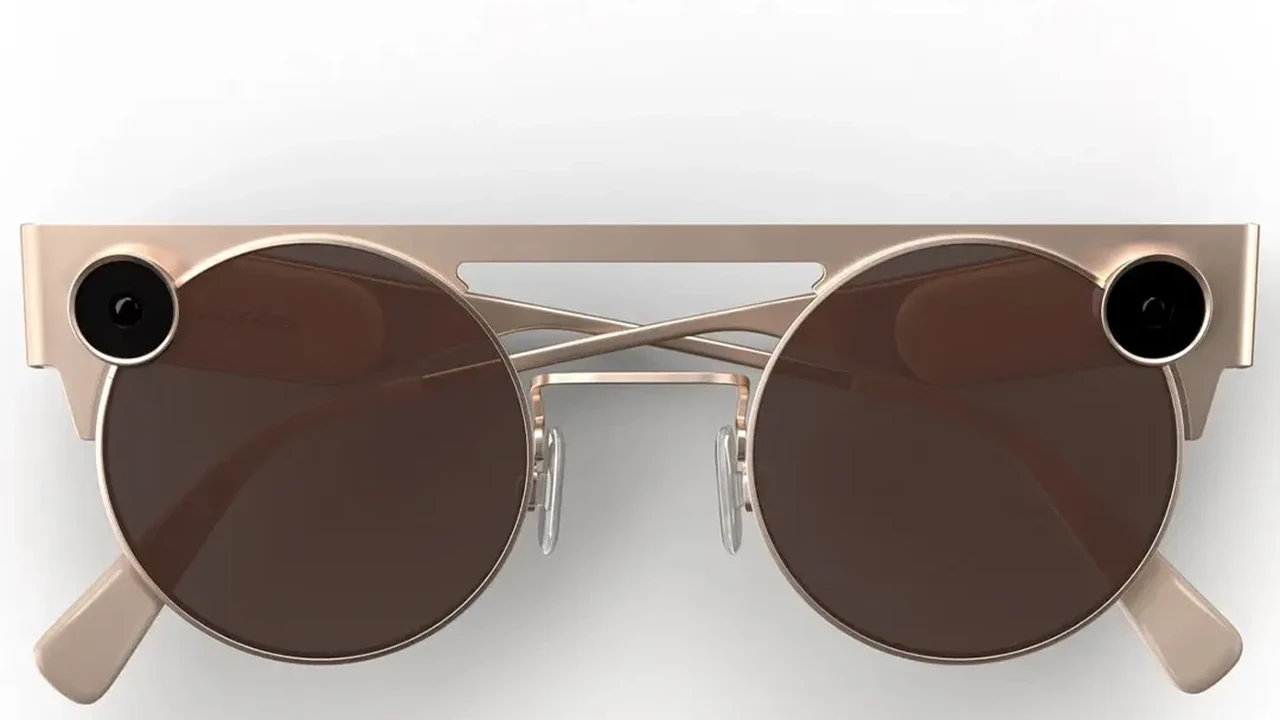
When you first unbox the Xiaomi Smart Glasses, the immediate impression is one of sleek minimalism. Unlike some of the bulkier smart glasses on the market, Xiaomi has clearly prioritized a design that blends seamlessly with traditional eyewear. They look, at first glance, like a regular pair of glasses, which is a huge plus for everyday wear and social acceptance. The frame material feels robust yet lightweight, a crucial balance for a device you're meant to wear for extended periods. We're talking about a weight of around 59 grams, which is impressively light when you consider the tech packed inside. This lightness contributes significantly to comfort, reducing pressure points on the nose bridge and behind the ears. The overall build quality suggests durability, with no creaking or flimsy parts, indicating that Xiaomi has put thought into the longevity of the product.
The design comes in a classic black, which further enhances its discreet appearance. The lenses themselves are not overtly tinted, maintaining a natural look. One of the most striking design features is the microLED optical waveguide technology, which is responsible for projecting information directly onto the lens. This is integrated so subtly that it's almost invisible from the outside, preserving the conventional glasses aesthetic. This discreet integration is a major selling point for users who want smart features without drawing excessive attention. The arms of the glasses house most of the internal components, including the processor, battery, and cameras, yet they remain relatively slim. This is a testament to Xiaomi's engineering prowess in miniaturization. The charging mechanism is also well-integrated, typically using a magnetic pogo pin connector that snaps on easily, avoiding cumbersome cables.
Diving into Xiaomi Smart Glasses Core Functionality and Features
Beyond their unassuming exterior, the Xiaomi Smart Glasses pack a surprising punch in terms of functionality. At its heart, the device runs on a custom operating system, likely based on Android, optimized for a hands-free experience. The primary function is to display notifications and information directly in your line of sight. This includes incoming calls, text messages, and app notifications, all presented in a clear, monochrome display that doesn't obstruct your vision. The monochrome display, while not as vibrant as a full-color screen, is highly efficient in terms of power consumption and offers excellent readability even in bright sunlight. This is a practical choice for a device meant for all-day use.
Voice control is a cornerstone of the user experience. With integrated microphones, you can interact with the glasses using voice commands, similar to how you'd use a smart assistant on your phone. This allows for hands-free navigation, answering calls, and even controlling smart home devices. The accuracy of the voice recognition is generally good, even in moderately noisy environments. Another key feature is the integrated camera, typically a 5-megapixel sensor, which allows for hands-free photo capture. While not designed to replace your smartphone camera, it's incredibly convenient for quickly snapping a picture of something you see without fumbling for your phone. This is particularly useful for capturing moments on the go or for quick visual notes.
The glasses also offer basic navigation capabilities, displaying turn-by-turn directions directly on the lens. This is a game-changer for walking or cycling, as you don't need to constantly look down at your phone. Real-time translation is another impressive feature, allowing the glasses to translate spoken words and display them as text in your field of view. This has immense potential for travel and international communication. Furthermore, some models might include basic fitness tracking, such as step counting, leveraging integrated accelerometers and gyroscopes. The connectivity is typically handled via Bluetooth, pairing with your smartphone to access data and notifications.
Xiaomi Smart Glasses User Experience and Everyday Practicality
The user experience with Xiaomi Smart Glasses is largely defined by its hands-free nature. The ability to receive notifications, answer calls, and even take photos without pulling out your phone is genuinely liberating. For someone who is constantly on the go, or in situations where using a phone is inconvenient or unsafe (like cycling or driving, though always use responsibly), these glasses offer a significant advantage. The discreet display means you can stay connected without appearing distracted or rude in social settings. The learning curve for voice commands is minimal, especially if you're already familiar with smart assistants.
Battery life is always a critical factor for wearable tech. Xiaomi Smart Glasses typically offer a full day's use on a single charge, depending on usage intensity. Heavy use of the camera or continuous navigation will naturally drain the battery faster, but for casual notification viewing and occasional voice commands, they hold up well. The charging time is also relatively quick, often reaching a full charge within an hour or two. The companion app on your smartphone is essential for customizing settings, managing notifications, and viewing captured photos. The app is generally user-friendly, allowing for easy personalization of the glasses' functions.
One of the most practical applications is for professionals who need quick access to information without breaking their workflow. Imagine a technician receiving instructions or diagrams directly in their field of view, or a doctor quickly checking patient data. For everyday users, it's about convenience and staying subtly connected. The translation feature, in particular, has the potential to be incredibly useful for travelers or those interacting with people speaking different languages. The integration with the Xiaomi ecosystem, if you own other Xiaomi smart devices, can also enhance the overall experience, allowing for seamless control of smart home appliances.
Comparing Xiaomi Smart Glasses with Competitors and Market Alternatives
When we talk about smart glasses, Xiaomi isn't the only player in the game. Let's stack them up against some notable competitors to see where they stand. The most direct comparison often comes with the Ray-Ban Stories (starting around $299 USD). Ray-Ban Stories, a collaboration with Meta, primarily focus on social sharing with dual 5MP cameras for photos and videos, and integrated open-ear speakers for audio. They excel in style and ease of capturing moments for social media. However, they lack a true heads-up display for notifications or AR features, which is a key differentiator for Xiaomi. Xiaomi's focus is more on information delivery and subtle interaction, whereas Ray-Ban Stories are about capturing and sharing.
Another contender is the Amazon Echo Frames (starting around $269.99 USD). These are essentially Alexa in a pair of glasses. They offer open-ear audio, hands-free Alexa access, and discreet notifications via a small LED light. Like Ray-Ban Stories, they don't have a visual display for information in your line of sight. Their strength lies in seamless integration with the Alexa ecosystem and audio-centric interactions. Xiaomi, with its microLED display, offers a more visual information delivery system, which can be more beneficial for certain use cases like navigation or quick glances at messages.
For a more advanced, albeit pricier, comparison, we can look at the Nreal Air Smart Glasses (starting around $379 USD). Nreal Air offers a much more immersive experience with a full-color OLED display that projects a virtual screen in front of you. This is fantastic for media consumption, gaming, and even productivity, effectively acting as a portable monitor. However, they are generally larger and more noticeable than Xiaomi's offering, and their primary use case is different – Nreal is about creating a virtual display, while Xiaomi is about subtle information overlay. Nreal also requires a wired connection to a compatible smartphone or device, which adds a bit of tethering.
Then there are the more enterprise-focused smart glasses like Google Glass Enterprise Edition 2 (around $999 USD) or Vuzix Smart Glasses (various models, often $1000+ USD). These are built for industrial applications, offering robust displays, powerful processors, and specialized software for tasks like remote assistance, inventory management, and training. They are significantly more expensive and not designed for the average consumer. Xiaomi's Smart Glasses are firmly positioned in the consumer market, aiming for everyday utility rather than specialized industrial use.
In summary, Xiaomi Smart Glasses carve out a niche by offering a discreet, lightweight design combined with a functional monochrome heads-up display for notifications, navigation, and basic camera functions. They are less about immersive AR or social media capture and more about subtle, hands-free information delivery and interaction. Their competitive pricing, often in the mid-range for smart glasses (exact pricing varies by region and model, but typically in the $300-$500 USD range), makes them an attractive option for consumers looking for a practical and stylish entry into the smart glasses market without breaking the bank for enterprise-grade solutions or highly specialized AR devices.
Potential Use Cases and Target Audience for Xiaomi Smart Glasses
The Xiaomi Smart Glasses are designed with a broad appeal, but they particularly shine in certain scenarios and for specific user groups. One primary target audience is the busy professional. Imagine someone who needs to stay connected but can't constantly check their phone during meetings or while on the move. Receiving discreet notifications for important emails or calls directly in their line of sight allows them to triage information without being disruptive. For field service technicians or engineers, the ability to receive instructions or view diagrams hands-free can significantly improve efficiency and safety.
Commuters and urban explorers are another ideal group. With integrated navigation, you can get turn-by-turn directions without having to look down at your phone, making walking or cycling in unfamiliar areas much safer and more convenient. The real-time translation feature is a boon for international travelers, allowing for easier communication in foreign countries. Imagine being able to read translated menus or understand conversations in real-time.
For fitness enthusiasts and outdoor adventurers, while not explicitly a sports watch, the hands-free camera can be great for capturing quick moments on a hike or bike ride without stopping. The discreet design also means they won't interfere with your activity. The ability to answer calls or control music via voice commands while exercising is also a significant convenience.
Everyday users who value convenience and a minimalist approach to technology will also find these glasses appealing. If you're someone who wants to reduce screen time on your phone but still stay informed, the Xiaomi Smart Glasses offer a perfect balance. They allow you to filter out distractions and only receive essential information, promoting a more focused and present lifestyle. The subtle integration means you can wear them all day without feeling like you're wearing a piece of futuristic tech, making them socially acceptable in almost any setting.
Finally, for those interested in the burgeoning field of augmented reality (AR) but aren't ready for bulky, expensive headsets, the Xiaomi Smart Glasses offer a gentle introduction. While their AR capabilities are limited to simple overlays and notifications, they demonstrate the potential of displaying digital information in the real world in a practical and accessible form factor. This makes them a good stepping stone for users curious about the future of wearable technology.
The Future Outlook for Xiaomi Smart Glasses and Wearable Tech
The Xiaomi Smart Glasses represent an important step in the evolution of wearable technology, particularly in the smart glasses segment. While they might not be as feature-rich as some high-end AR headsets, their focus on discreet design, essential functionality, and user convenience positions them well for mainstream adoption. The future of smart glasses, and Xiaomi's role in it, will likely involve several key advancements.
We can expect to see improvements in display technology, potentially moving towards full-color microLED or even microOLED displays that maintain the compact form factor while offering richer visual experiences. Battery life will undoubtedly continue to improve, allowing for multi-day usage. The integration of more advanced sensors for health monitoring, environmental sensing, and even gesture control could expand their utility significantly. Imagine being able to control your smart home devices with a subtle flick of your wrist while wearing the glasses.
Artificial intelligence will play an increasingly crucial role. More sophisticated AI could enable proactive notifications, contextual awareness (e.g., reminding you about an appointment based on your location), and even more natural language processing for voice commands. The camera capabilities might also see an upgrade, offering higher resolution and more advanced computational photography features, making them even more useful for quick captures.
Connectivity will also evolve. The widespread rollout of 5G will enable faster data transfer and lower latency, opening up possibilities for cloud-rendered AR experiences directly on the glasses. This could lead to more complex AR applications without requiring powerful on-board processing, thus keeping the glasses lightweight and comfortable. Furthermore, deeper integration with various smart ecosystems, not just Xiaomi's, will be key to broader appeal.
Ultimately, the success of smart glasses like Xiaomi's hinges on their ability to become truly indispensable tools that enhance our daily lives without being intrusive. The trend towards more fashionable, less conspicuous designs is crucial for widespread acceptance. As the technology matures and costs come down, we can anticipate smart glasses becoming as common as smartphones, seamlessly blending the digital and physical worlds in a way that feels natural and intuitive. Xiaomi's current offering is a solid foundation for this exciting future.
:max_bytes(150000):strip_icc()/277019-baked-pork-chops-with-cream-of-mushroom-soup-DDMFS-beauty-4x3-BG-7505-5762b731cf30447d9cbbbbbf387beafa.jpg)