Smart Glasses for Enterprise Adoption Challenges and Opportunities
Examine the challenges and vast opportunities for smart glasses adoption in enterprise environments.
Examine the challenges and vast opportunities for smart glasses adoption in enterprise environments.
Smart Glasses for Enterprise Adoption Challenges and Opportunities
Understanding Enterprise Smart Glasses The New Frontier of Productivity
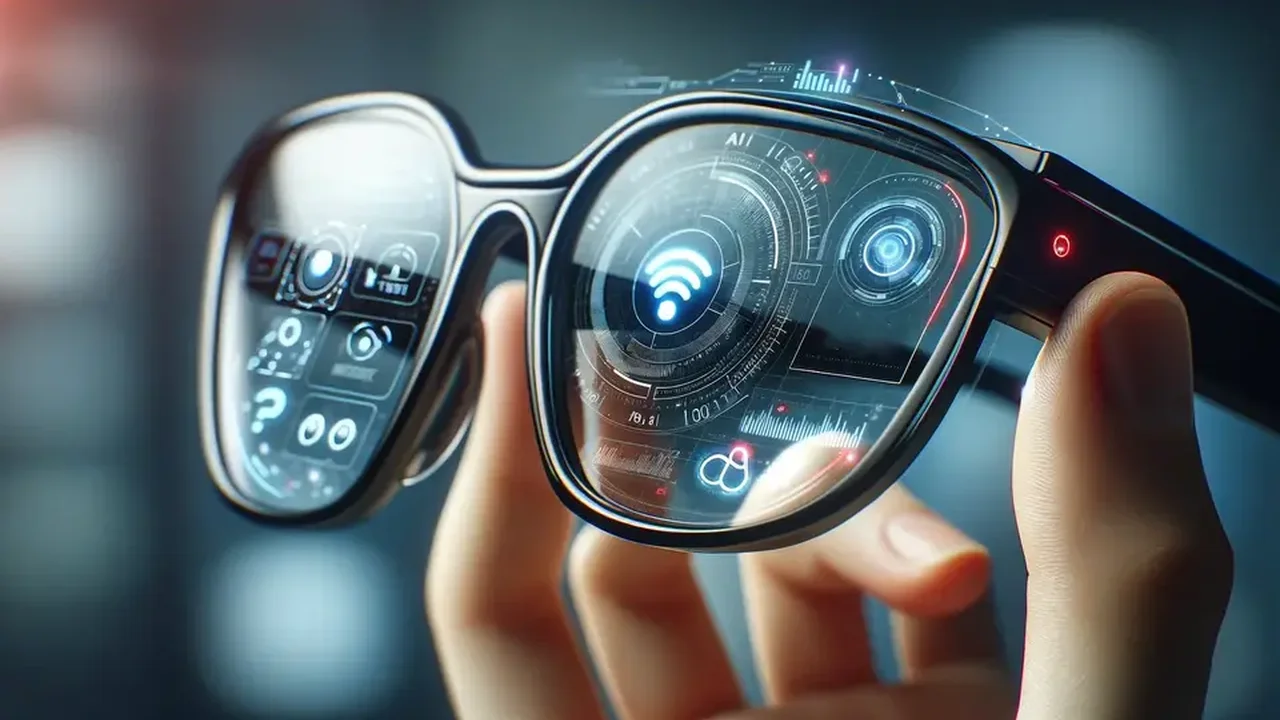
Smart glasses are no longer just a futuristic concept from sci-fi movies; they are rapidly becoming a tangible tool for enhancing productivity and efficiency across various enterprise sectors. These wearable devices, often resembling traditional eyewear, integrate advanced computing capabilities, augmented reality (AR), and connectivity to provide workers with hands-free access to information, real-time data, and remote assistance. For businesses, the allure of smart glasses lies in their potential to revolutionize workflows, improve safety, reduce errors, and streamline complex operations. Imagine a field technician troubleshooting machinery with a live video feed to an expert miles away, or a surgeon accessing patient data without breaking sterile scrub. This isn't just about convenience; it's about transforming the very fabric of how work gets done.
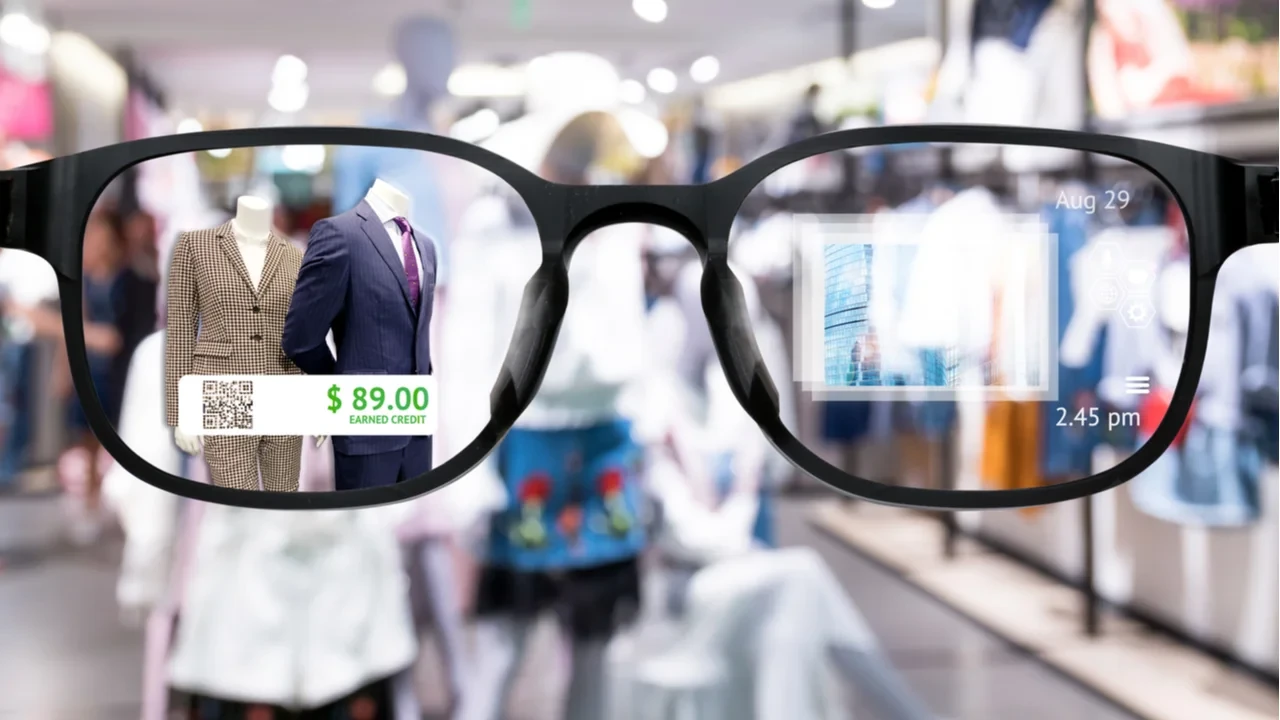
The core value proposition of smart glasses in an enterprise setting is their ability to overlay digital information onto the real world, creating an augmented reality experience. This can range from displaying step-by-step instructions for assembly, highlighting critical components for inspection, or providing real-time performance metrics. Beyond AR, many enterprise smart glasses also offer features like voice control, integrated cameras for documentation and remote collaboration, and robust connectivity options. This hands-free interaction is particularly crucial in environments where workers need to keep their hands free for tools or tasks, or where accessing traditional screens is impractical or unsafe. The shift towards a more connected and data-driven workforce makes smart glasses a compelling investment for forward-thinking organizations.
Navigating the Hurdles Common Challenges in Enterprise Smart Glasses Deployment
While the opportunities are immense, the path to widespread smart glasses adoption in enterprises is not without its challenges. One of the primary concerns revolves around cost and return on investment (ROI). Enterprise-grade smart glasses can be significantly more expensive than consumer models, and organizations need to clearly define the expected benefits and measure their impact to justify the investment. This often requires pilot programs and careful analysis of productivity gains, error reduction, and training efficiencies.
Another significant hurdle is integration with existing IT infrastructure and legacy systems. Many businesses operate with complex, established software and hardware ecosystems. Smart glasses solutions need to seamlessly integrate with these systems, including enterprise resource planning (ERP), manufacturing execution systems (MES), and customer relationship management (CRM) platforms. This can involve significant development work, API integrations, and ensuring data security and compliance across different platforms.
User acceptance and training are also critical factors. Employees may be resistant to adopting new technology, especially if it feels cumbersome or unfamiliar. The comfort, weight, and battery life of the devices play a huge role in user satisfaction. Comprehensive training programs are essential to ensure that workers understand how to effectively use the smart glasses, troubleshoot common issues, and leverage their full capabilities. Addressing concerns about privacy, data security, and potential distractions is also vital for successful adoption.
Furthermore, data security and privacy are paramount in enterprise environments. Smart glasses often capture sensitive visual and audio data, raising concerns about intellectual property, employee privacy, and compliance with regulations like GDPR or HIPAA. Robust security protocols, data encryption, and clear policies on data collection, storage, and access are non-negotiable. Organizations must also consider the potential for network vulnerabilities and ensure that smart glasses operate within secure IT frameworks.
Finally, scalability and maintenance present ongoing challenges. Deploying smart glasses across a large workforce requires robust device management solutions, efficient charging infrastructure, and a plan for repairs and replacements. Ensuring consistent performance, managing software updates, and providing ongoing technical support are crucial for long-term success.
Unlocking Potential Key Opportunities for Smart Glasses in Business
Despite the challenges, the opportunities presented by smart glasses in enterprise settings are transformative. One of the most significant areas is enhanced remote assistance and collaboration. Smart glasses enable experts to provide real-time visual guidance to frontline workers, regardless of geographical location. This reduces travel costs, speeds up problem resolution, and improves the quality of support. For example, a senior engineer can guide a junior technician through a complex repair using live video and augmented annotations, effectively bringing their expertise to the field.
Improved training and knowledge transfer are another major benefit. Smart glasses can deliver immersive, hands-on training experiences, allowing new employees to learn complex procedures by seeing instructions overlaid directly onto equipment. This can significantly reduce training time and improve retention. Experienced workers can also record their workflows, creating valuable visual documentation for future training and knowledge sharing.
In manufacturing and assembly, smart glasses can lead to significant gains in efficiency and error reduction. Workers can receive step-by-step instructions, visual cues for part placement, and quality control checklists directly in their field of view. This minimizes mistakes, speeds up assembly lines, and ensures consistent product quality. For instance, an automotive assembly worker can see exactly where each component needs to be placed, reducing the chance of misassembly.
Enhanced safety and compliance are also critical. In hazardous environments, smart glasses can provide workers with real-time safety warnings, access to safety protocols, and even monitor vital signs. By keeping hands free, they reduce the risk of accidents. Furthermore, the ability to document work processes through photos and videos can aid in compliance audits and incident investigations.
For industries like healthcare, smart glasses offer opportunities for improved patient care and surgical precision. Surgeons can access patient data, medical images, or even consult with remote specialists during procedures without looking away from the patient. Nurses can use them for hands-free documentation or medication administration, reducing the risk of errors.
Finally, data collection and analytics become more robust. Smart glasses can capture valuable operational data, such as time spent on tasks, movement patterns, and environmental conditions. This data can then be analyzed to identify bottlenecks, optimize workflows, and make data-driven decisions for continuous improvement.
Leading the Charge Recommended Enterprise Smart Glasses Products
The market for enterprise smart glasses is growing, with several key players offering robust solutions tailored for industrial and professional use. Here are a few notable examples, highlighting their use cases, comparisons, and approximate pricing:
Google Glass Enterprise Edition 2 A Versatile Workhorse
Description: Google Glass Enterprise Edition 2 is designed specifically for industrial use, focusing on hands-free assistance and workflow optimization. It features a powerful processor, improved camera, and enhanced battery life compared to its predecessors. It runs on Android, making it relatively easy for developers to create custom applications.
Use Cases: Ideal for manufacturing, logistics, field service, and healthcare. Workers can receive visual instructions, access checklists, scan barcodes, and collaborate remotely with experts. For example, a warehouse worker can use it for hands-free order picking, with directions and item details displayed in their vision.
Comparison: Known for its lightweight design and comfortable fit, making it suitable for extended wear. Its Android platform offers flexibility for custom app development. It's generally less immersive than full AR headsets but excels in providing quick, glanceable information.
Approximate Price: Around $999 - $1,200 per unit, often sold through solution providers who bundle it with software and support.
Vuzix Smart Glasses M400 and Blade 2 Robust and Feature-Rich
Description: Vuzix offers a range of enterprise smart glasses, with the M400 and Blade 2 being prominent. The M400 is ruggedized for industrial environments, featuring a powerful Snapdragon XR1 processor, excellent camera, and hot-swappable batteries. The Blade 2 is more akin to traditional glasses, offering a more discreet form factor with a vibrant display.
Use Cases: The M400 is perfect for heavy industrial applications, maintenance, and remote support in challenging conditions. The Blade 2 is suitable for lighter industrial use, retail, and situations where a more conventional look is preferred, such as for managers or customer-facing roles.
Comparison: Vuzix devices are known for their durability and robust feature sets. The M400's modular design and hot-swappable batteries are a significant advantage for continuous operation. The Blade 2 offers a more consumer-friendly design while retaining enterprise capabilities. They often come with a rich ecosystem of software partners.
Approximate Price: Vuzix M400 typically ranges from $1,500 - $2,000. Vuzix Blade 2 is around $1,200 - $1,500.
Microsoft HoloLens 2 Advanced Mixed Reality for Complex Tasks
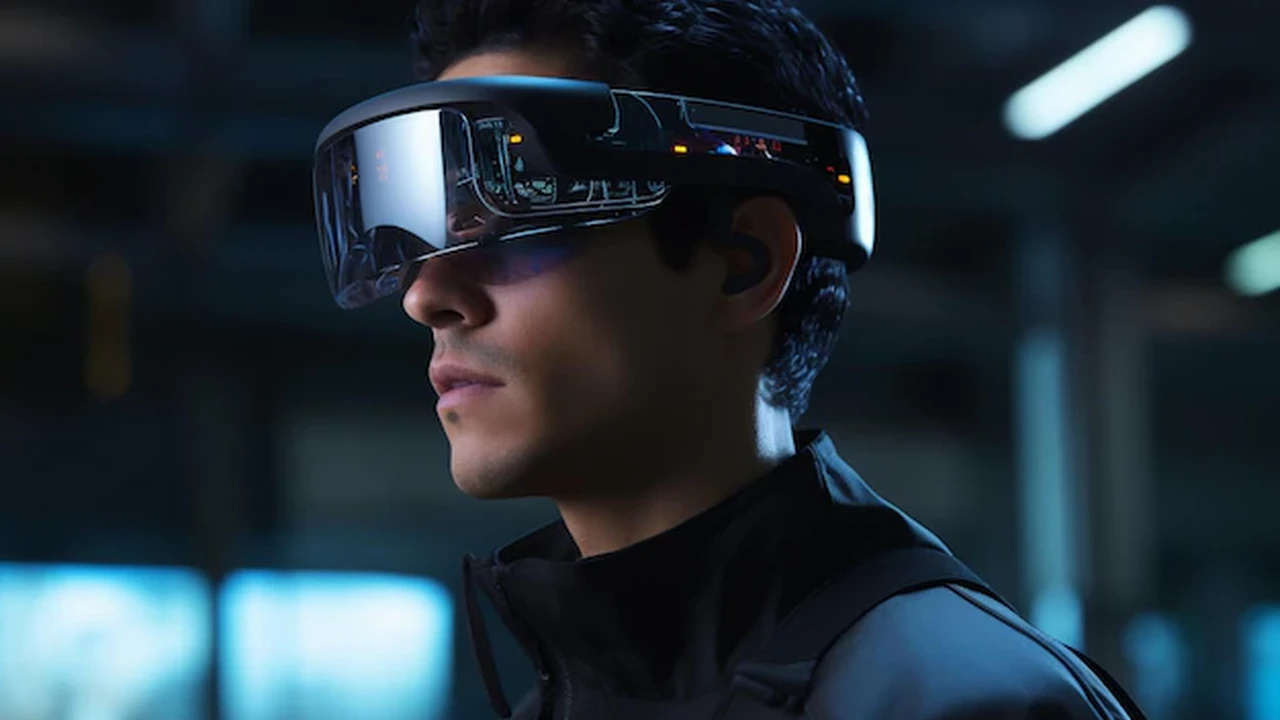
Description: While often considered a mixed reality headset rather than just smart glasses, HoloLens 2 is a powerful enterprise device. It offers a wide field of view, advanced spatial mapping, and natural gesture and voice interaction. It's designed for highly immersive AR experiences where digital objects interact realistically with the physical environment.
Use Cases: Ideal for complex assembly, design review, remote training, and surgical planning. For example, engineers can overlay 3D models onto physical prototypes, or medical students can practice procedures on holographic anatomical models.
Comparison: HoloLens 2 provides a far more immersive and interactive AR experience than most smart glasses, making it suitable for tasks requiring detailed 3D visualization and manipulation. However, it is heavier and more expensive than typical smart glasses, and its form factor is less discreet.
Approximate Price: Around $3,500 - $5,000 per unit, reflecting its advanced capabilities and enterprise focus.
RealWear HMT-1 and Navigator 500 Rugged and Voice-Controlled
Description: RealWear devices, like the HMT-1 and Navigator 500, are purpose-built for frontline industrial workers in harsh environments. They are fully voice-controlled, allowing for completely hands-free operation, and are ruggedized to withstand drops, dust, and water. They feature a micro-display that sits just below the line of sight.
Use Cases: Perfect for oil and gas, utilities, manufacturing, and construction. Workers can access documents, conduct inspections, and receive remote assistance in noisy or dangerous conditions without needing to touch the device. For instance, a technician on an oil rig can follow voice-guided instructions for maintenance.
Comparison: RealWear's strength lies in its extreme ruggedness and 100% voice-controlled interface, which is crucial for safety and efficiency in environments where hands are always occupied or gloved. The display is smaller and less immersive than some AR glasses, but it's designed for quick information access rather than complex overlays.
Approximate Price: RealWear HMT-1 is typically $1,800 - $2,500. The Navigator 500 is in a similar range, often bundled with software solutions.
Epson Moverio BT-40 and BT-40S Transparent AR for Professionals
Description: Epson's Moverio series offers transparent smart glasses, meaning the digital content is overlaid onto a clear view of the real world. The BT-40 and BT-40S (which includes a controller) are designed for professional use, offering comfortable wear and high-resolution displays.
Use Cases: Suitable for remote assistance, cultural institutions (museums, theaters), medical training, and drone piloting. The transparent display is excellent for situations where maintaining full situational awareness is critical, such as a surgeon viewing patient data while operating, or a drone pilot seeing flight telemetry.
Comparison: Epson Moverio stands out with its transparent display, which provides a less intrusive AR experience compared to opaque displays. They are generally lighter and more comfortable for extended wear. The BT-40S with its dedicated controller offers more versatile interaction.
Approximate Price: Epson Moverio BT-40 is around $579, and the BT-40S is about $719, making them a more accessible option for certain professional applications.
The Road Ahead The Future of Smart Glasses in Enterprise
The trajectory for smart glasses in enterprise is one of continuous growth and increasing sophistication. We can expect to see several key trends shaping their future. Firstly, improved hardware will lead to lighter, more comfortable devices with longer battery life, wider fields of view, and higher resolution displays. This will make them more appealing for all-day wear and more capable of handling complex AR applications.
Secondly, advancements in artificial intelligence (AI) and machine learning (ML) will make smart glasses even smarter. AI will enable more intuitive voice commands, predictive maintenance alerts, real-time object recognition, and personalized assistance. Imagine smart glasses that can identify a faulty component and instantly pull up repair instructions, or even suggest the most efficient route through a warehouse based on real-time inventory data.
Thirdly, enhanced connectivity, particularly with 5G, will unlock new possibilities. Faster, more reliable wireless connections will enable seamless cloud-based processing, real-time streaming of high-definition video for remote assistance, and more robust integration with IoT devices. This will be crucial for applications requiring low latency and high bandwidth.
Finally, the development of more robust and user-friendly software platforms will be critical. As more enterprises adopt smart glasses, there will be a greater demand for off-the-shelf applications tailored to specific industries, as well as easier tools for custom app development. The focus will shift from just hardware capabilities to the entire ecosystem of hardware, software, and services that deliver tangible business value.
The journey of smart glasses from niche technology to mainstream enterprise tool is well underway. While challenges remain, the clear opportunities for boosting productivity, enhancing safety, and transforming workflows ensure that smart glasses will play an increasingly vital role in the modern business landscape.
:max_bytes(150000):strip_icc()/277019-baked-pork-chops-with-cream-of-mushroom-soup-DDMFS-beauty-4x3-BG-7505-5762b731cf30447d9cbbbbbf387beafa.jpg)