Smart Glasses Display Technologies MicroLED OLED and More
A deep dive into the various display technologies used in smart glasses, comparing their pros and cons.
A deep dive into the various display technologies used in smart glasses, comparing their pros and cons.
Smart Glasses Display Technologies MicroLED OLED and More
Understanding Smart Glasses Displays The Core of Visual Experience
When you're looking to buy smart glasses, one of the most critical components to understand is the display technology. This isn't just about how bright or colorful the image is; it's about how the digital world is seamlessly overlaid onto your real-world view. The display is the window through which you interact with information, augmented reality, and even virtual environments. Different display technologies offer unique advantages and disadvantages in terms of clarity, power consumption, form factor, and cost. For anyone considering a smart glasses purchase, especially in the US and Southeast Asian markets where innovation and practicality are key, a solid grasp of these technologies is essential. We're going to break down the major players in smart glasses displays, including MicroLED, OLED, LCoS, DLP, and waveguide technologies, giving you the insights you need to make an informed decision.
MicroLED Displays The Future of Smart Glasses Visuals
MicroLED is often hailed as the holy grail of display technology for smart glasses, and for good reason. Imagine millions of microscopic LEDs, each emitting its own light, allowing for incredible brightness, contrast, and energy efficiency. Unlike traditional LCDs that require a backlight or OLEDs that use organic materials, MicroLEDs are inorganic, promising longer lifespans and resistance to burn-in. This technology is particularly exciting for smart glasses because it can achieve very high pixel densities in extremely small packages, which is crucial for creating a clear, sharp image that appears to float in your field of view without obstructing your vision.
Advantages of MicroLED in Smart Glasses
* Exceptional Brightness and Contrast: MicroLEDs can achieve incredibly high brightness levels, making them ideal for outdoor use where ambient light can wash out other displays. Their ability to turn individual pixels completely off results in true blacks and infinite contrast ratios.
* Energy Efficiency: Because each pixel is self-emissive, MicroLEDs only consume power for the pixels that are lit, leading to significant power savings, which is vital for battery-powered smart glasses.
* Longevity and Durability: Being inorganic, MicroLEDs are less susceptible to degradation over time compared to OLEDs, offering a longer lifespan and greater resistance to burn-in.
* Compact Form Factor: The microscopic size of the LEDs allows for extremely small and thin display modules, enabling sleeker and more fashionable smart glasses designs.
Challenges and Current Status of MicroLED Smart Glasses
Despite its promise, MicroLED technology is still relatively new and faces significant manufacturing challenges, particularly in mass production and cost reduction. The precision required to place millions of microscopic LEDs onto a substrate is immense. As a result, smart glasses featuring MicroLED displays are currently either in the prototype phase or are very high-end, niche products. However, many industry experts believe MicroLED will become the dominant display technology for smart glasses in the coming years as manufacturing processes mature.
OLED Displays Vibrant Colors and Deep Blacks for Smart Glasses
Organic Light-Emitting Diode (OLED) technology is well-established in smartphones, TVs, and smartwatches, known for its vibrant colors, deep blacks, and excellent contrast. In smart glasses, OLED microdisplays are used, which are tiny OLED panels designed for near-eye viewing. Like MicroLED, OLED is a self-emissive technology, meaning each pixel generates its own light, eliminating the need for a backlight and allowing for thinner designs.
Benefits of OLED in Smart Glasses
* Superior Image Quality: OLEDs deliver stunning color accuracy, wide viewing angles, and true blacks, resulting in a very immersive and visually appealing experience.
* Fast Response Times: OLED pixels can switch on and off incredibly quickly, which is crucial for smooth motion and reducing motion blur in dynamic AR content.
* Thin and Flexible: The organic nature of OLEDs allows for very thin and even flexible display panels, contributing to more comfortable and aesthetically pleasing smart glasses.
* Power Efficiency for Dark Content: Similar to MicroLED, OLEDs are power-efficient when displaying dark content, as unlit pixels consume no power.
Limitations of OLED for Smart Glasses
* Brightness Limitations: While excellent indoors, OLED displays can struggle with brightness in direct sunlight, making them less ideal for outdoor AR applications compared to MicroLED or some LCoS solutions.
* Burn-in Risk: OLEDs are susceptible to burn-in, where static images displayed for long periods can leave a permanent ghost image. While less common in smart glasses due to dynamic content, it's a consideration.
* Lifespan: The organic materials in OLEDs can degrade over time, potentially leading to a shorter lifespan compared to inorganic technologies like MicroLED.
Smart Glasses Products Featuring OLED Displays
Many current generation smart glasses utilize OLED microdisplays due to their maturity and excellent image quality. Here are a few examples:
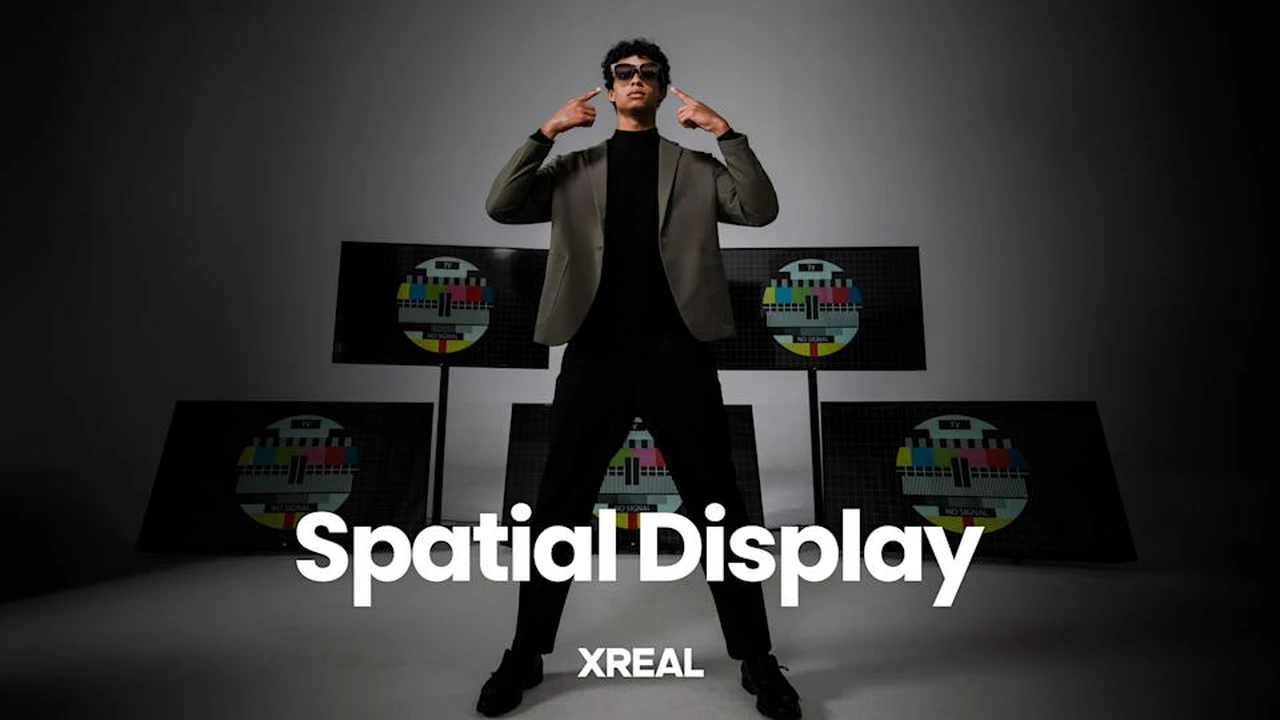
* Nreal Air: These popular smart glasses use OLED microdisplays to project a large, vibrant virtual screen in front of the user. They are known for their excellent image quality and are often used for media consumption and light productivity. The Nreal Air typically retails for around $379 USD.
* Rokid Air: Similar to Nreal Air, Rokid Air also leverages OLED displays for a crisp and clear visual experience, focusing on entertainment and productivity. They are often priced around $499 USD.
* TCL RayNeo X2: While still relatively new, the RayNeo X2 features advanced micro-OLED displays, aiming for a more integrated AR experience with navigation and translation. Pricing is expected to be in the higher range, potentially above $500 USD, as they become more widely available.
LCoS Displays Cost-Effective and Bright Solutions
Liquid Crystal on Silicon (LCoS) is a reflective display technology that uses a liquid crystal layer on top of a silicon backplane. Instead of emitting light directly, LCoS modulates light from an external light source (like an LED or laser) to create an image. This makes them very versatile in terms of brightness and color reproduction, and they can be quite cost-effective to manufacture.
Advantages of LCoS in Smart Glasses
* High Brightness: Because LCoS relies on an external light source, it can achieve very high brightness levels, making it suitable for outdoor use and bright environments.
* Good Image Quality: LCoS displays can offer excellent resolution and fill factor (the percentage of the display area that is active), resulting in smooth images with minimal pixelation.
* Cost-Effective: Compared to MicroLED and some OLED solutions, LCoS can be more cost-effective to produce, which can translate to more affordable smart glasses.
* Mature Technology: LCoS has been around for a while and is a mature technology, leading to reliable performance.
Disadvantages of LCoS for Smart Glasses
* Bulkier Form Factor: The need for an external light source and optical path can make LCoS-based smart glasses slightly bulkier than those using self-emissive displays.
* Lower Contrast: While brightness is high, LCoS typically has lower contrast ratios compared to OLED or MicroLED, as it cannot achieve true blacks.
* Power Consumption: The external light source can contribute to higher power consumption compared to self-emissive displays, especially when displaying bright content.
Smart Glasses Products Utilizing LCoS Displays
LCoS technology has been a workhorse in many enterprise and some consumer smart glasses due to its balance of performance and cost.
* Vuzix Blade 2: Vuzix is a prominent player in enterprise smart glasses, and their Blade 2 uses LCoS displays to provide a clear, bright image for industrial applications. These are typically priced for enterprise use, often in the range of $1,000 - $2,000 USD.
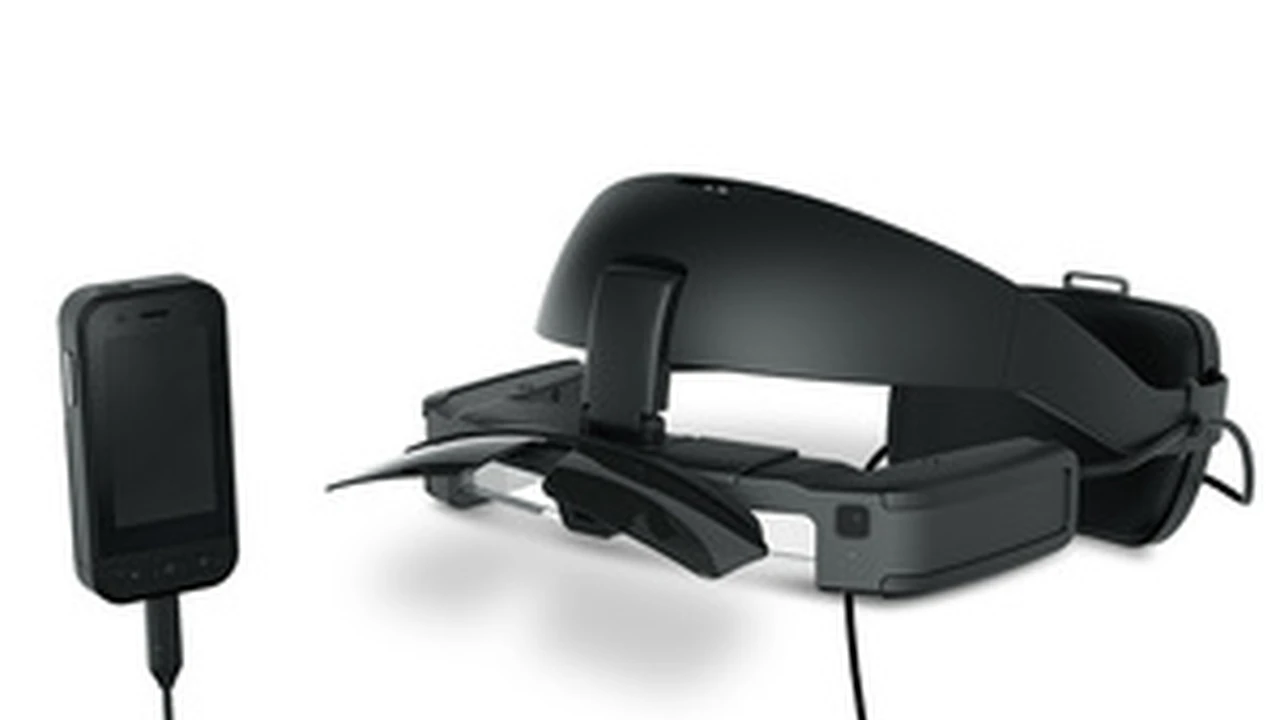
* Epson Moverio Series: Epson's Moverio smart glasses, known for their transparent displays and AR capabilities, often employ LCoS technology. They are popular in various commercial sectors. Prices vary by model, but generally range from $700 to $2,000 USD.
* Google Glass Enterprise Edition 2: While not a consumer product, Google Glass EE2 uses an LCoS display to project information into the user's field of view for industrial and professional use cases. This is an enterprise-focused product with pricing typically negotiated directly with Google or resellers.
DLP Displays Compact and Efficient Projection
Digital Light Processing (DLP) technology, originally developed by Texas Instruments, uses microscopic mirrors to project an image. In smart glasses, tiny DLP chips (DMDs - Digital Micromirror Devices) are used to reflect light from a light source through optics to create the display. DLP is known for its efficiency and ability to create bright, high-contrast images.
Advantages of DLP in Smart Glasses
* High Brightness and Contrast: DLP can achieve excellent brightness and contrast, making it suitable for various lighting conditions.
* Compact Size: The DMD chips are very small, allowing for compact projection modules that can be integrated into sleek smart glasses designs.
* Fast Switching Speed: The micromirrors can switch very quickly, enabling smooth motion and reducing latency.
* Reliability: DLP technology is mature and known for its reliability and long lifespan.
Considerations for DLP in Smart Glasses
* Rainbow Effect: Some sensitive individuals might perceive a 'rainbow effect' with single-chip DLP systems, especially when moving their eyes quickly, due to the sequential display of colors.
* Power Consumption: While efficient, the external light source can still contribute to power consumption.
* Optical Path Complexity: Like LCoS, DLP requires a precise optical path, which can add to the complexity and size of the smart glasses.
Smart Glasses Products Using DLP Technology
DLP has found its way into several smart glasses, particularly those focused on projection and compact form factors.
* North Focals (now discontinued, but a notable example): Focals by North used a tiny DLP projector to beam a discreet display directly onto the retina. While no longer available, they were a prime example of how DLP could enable a truly subtle smart glasses experience. Original pricing was around $999 USD.
* Some early generation smart glasses: Many early smart glasses prototypes and some niche products explored DLP due to its compact nature and ability to project bright images.
Waveguide Technology The Invisible Display
Waveguide technology is not a display technology in itself, but rather an optical system that works in conjunction with a microdisplay (like MicroLED, OLED, LCoS, or DLP) to project the image into the user's eye. It's crucial for achieving truly transparent and aesthetically pleasing smart glasses. Waveguides essentially 'guide' the light from a tiny projector at the edge of the lens directly into the wearer's eye, making the display appear as if it's floating in space without obstructing the view.
Types of Waveguides
* Diffractive Waveguides: These use microscopic gratings etched into the lens to diffract light from the projector into the eye. They are known for their transparency and ability to create a wide field of view.
* Holographic Waveguides: These use holographic optical elements embedded within the lens to guide light. They can offer good image quality and transparency.
* Reflective Waveguides: These use a series of mirrors or reflective surfaces within the lens to direct light.
Advantages of Waveguide Technology
* Transparency: The primary benefit is the ability to create highly transparent lenses, making the smart glasses look and feel like regular eyewear.
* Compactness: Waveguides allow the projection engine to be placed discreetly in the frame, leading to much sleeker and lighter designs.
* Wide Field of View (FOV): Advanced waveguide designs can achieve a relatively wide field of view, enhancing the immersive quality of AR content.
Challenges of Waveguide Technology
* Manufacturing Complexity: Producing high-quality waveguides is incredibly complex and expensive, requiring extreme precision.
* Light Efficiency: There can be some light loss as the image travels through the waveguide, potentially impacting brightness.
* Image Quality Artifacts: Depending on the design, some waveguides can introduce artifacts like color uniformity issues or 'rainbow' effects.
Waveguide technology is at the forefront of making smart glasses truly wearable and fashionable.
* Microsoft HoloLens 2: While a mixed reality headset rather than traditional smart glasses, HoloLens 2 uses advanced waveguide optics to deliver its immersive holographic experience. This is a high-end enterprise device, typically costing around $3,500 USD.
* Magic Leap 2: Another mixed reality device, Magic Leap 2 also employs waveguide technology for its display, targeting enterprise and developer use cases. Pricing is in the enterprise range, often above $3,000 USD.
* Upcoming Consumer Smart Glasses: Many anticipated consumer smart glasses from major tech companies are expected to heavily rely on advanced waveguide technology combined with MicroLED or OLED microdisplays to achieve a truly seamless and stylish AR experience. While specific models are still under wraps, companies like Apple and Meta are heavily investing in this area.
Comparing Display Technologies for Your Smart Glasses Needs
Choosing the right smart glasses display technology depends heavily on your primary use case and priorities. Here's a quick comparison to help you decide:
| Feature / Technology | MicroLED | OLED | LCoS | DLP | Waveguide (Optical System) |
| :------------------- | :------- | :--- | :--- | :-- | :------------------------ |
| Brightness | Excellent | Good | Very Good | Very Good | Depends on microdisplay |
| Contrast | Excellent | Excellent | Good | Good | Depends on microdisplay |
| Color Accuracy | Excellent | Excellent | Good | Good | Depends on microdisplay |
| Form Factor | Very Compact | Compact | Moderate | Compact | Enables very sleek designs |
| Power Efficiency | Excellent | Good (for dark content) | Moderate | Moderate | Depends on microdisplay |
| Cost | High (currently) | Moderate | Moderate | Moderate | High (for advanced designs) |
| Maturity | Emerging | Mature | Mature | Mature | Evolving |
| Transparency | N/A (requires optics) | N/A (requires optics) | N/A (requires optics) | N/A (requires optics) | Excellent |
The Interplay of Display and Optics in Smart Glasses Design
It's important to remember that the display technology itself is only one part of the equation. How that display is integrated with the optical system (like waveguides, birdbath optics, or free-form prisms) is equally crucial. The optical system determines the field of view, eye box (the area where the user can see the full image), transparency, and overall form factor of the smart glasses. A brilliant MicroLED display won't matter if the optics are bulky or distort the image.
For instance, many consumer-focused smart glasses like the Nreal Air and Rokid Air use a 'birdbath' optical system combined with OLED microdisplays. This creates a large, immersive virtual screen but often results in a slightly less transparent view of the real world compared to waveguide-based systems. On the other hand, enterprise-grade AR headsets like HoloLens 2 prioritize a wide field of view and true transparency using advanced waveguides, even if it means a larger form factor and higher cost.
Future Trends in Smart Glasses Display Technology
The smart glasses display landscape is rapidly evolving. Here's what we can expect in the coming years:
* Miniaturization: Displays will continue to shrink while maintaining or improving resolution and brightness, enabling even more discreet and fashionable smart glasses.
* Increased Brightness and Efficiency: Innovations in MicroLED and advanced OLED materials will lead to displays that perform exceptionally well in all lighting conditions while consuming minimal power.
* Wider Field of View: Next-generation waveguide designs and optical systems will push the boundaries of the field of view, making AR experiences more immersive and less like looking through a small window.
* Dynamic Focus and Varifocal Displays: A major challenge in AR is the vergence-accommodation conflict, where your eyes focus at a different distance than the virtual image appears. Future displays will incorporate dynamic focus mechanisms to allow virtual objects to appear at different depths, reducing eye strain and increasing realism.
* Full-Color MicroLED: While monochrome MicroLEDs are becoming more common, achieving full-color MicroLED displays at scale for smart glasses is a key area of research and will be a game-changer.
* Integration with Prescription Lenses: Seamless integration of display technology with prescription lenses will become standard, making smart glasses accessible to a wider audience without compromising vision.
Making Your Smart Glasses Display Choice
When you're ready to invest in smart glasses, consider these questions related to display technology:
* Where will you primarily use them? If mostly indoors for media, OLED might be perfect. If outdoors for navigation or work, MicroLED or bright LCoS/DLP with good optics might be better.
* What's your budget? Cutting-edge display tech often comes with a higher price tag.
* How important is the form factor? Do you want something that looks like regular glasses (likely waveguide-based) or are you okay with a slightly bulkier design for a larger field of view?
* What's the primary application? For immersive AR, a wide field of view is crucial. For simple notifications, a smaller, more discreet display might suffice.
Understanding the nuances of MicroLED, OLED, LCoS, DLP, and the crucial role of waveguide optics will empower you to navigate the smart glasses market with confidence. The display is truly the heart of the visual experience, and choosing wisely will ensure your smart glasses deliver the performance and immersion you expect.
:max_bytes(150000):strip_icc()/277019-baked-pork-chops-with-cream-of-mushroom-soup-DDMFS-beauty-4x3-BG-7505-5762b731cf30447d9cbbbbbf387beafa.jpg)