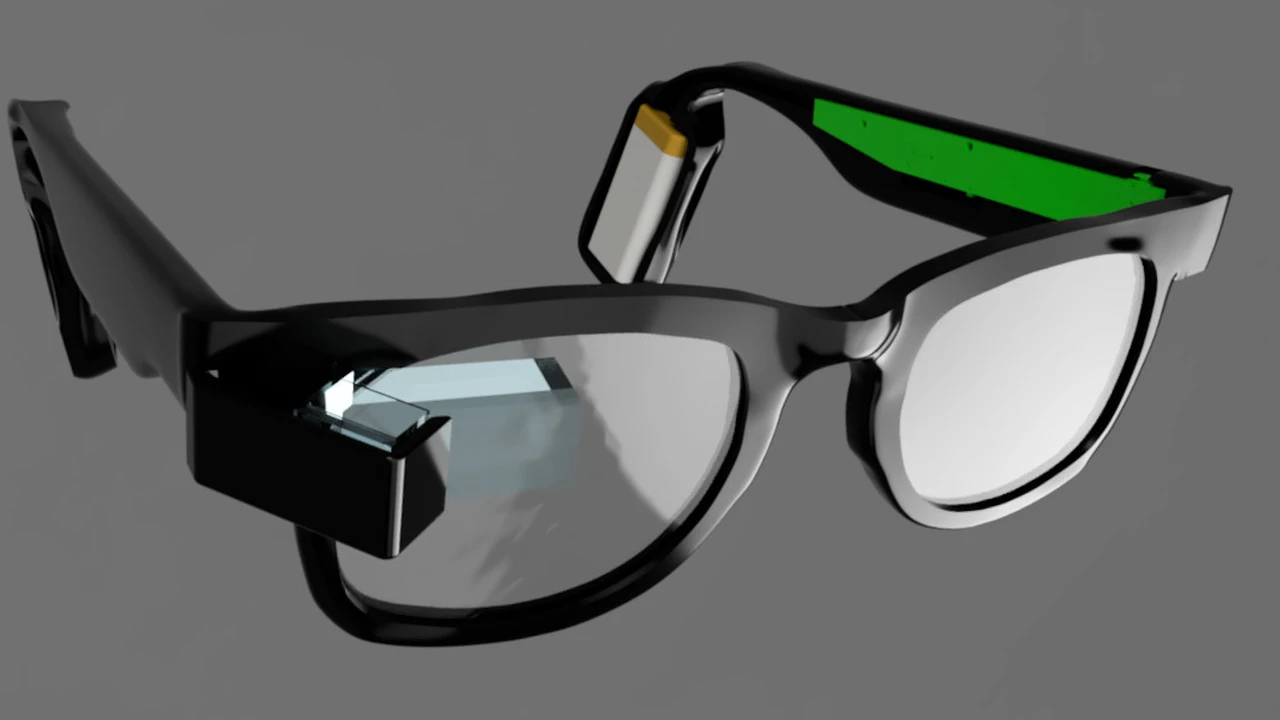
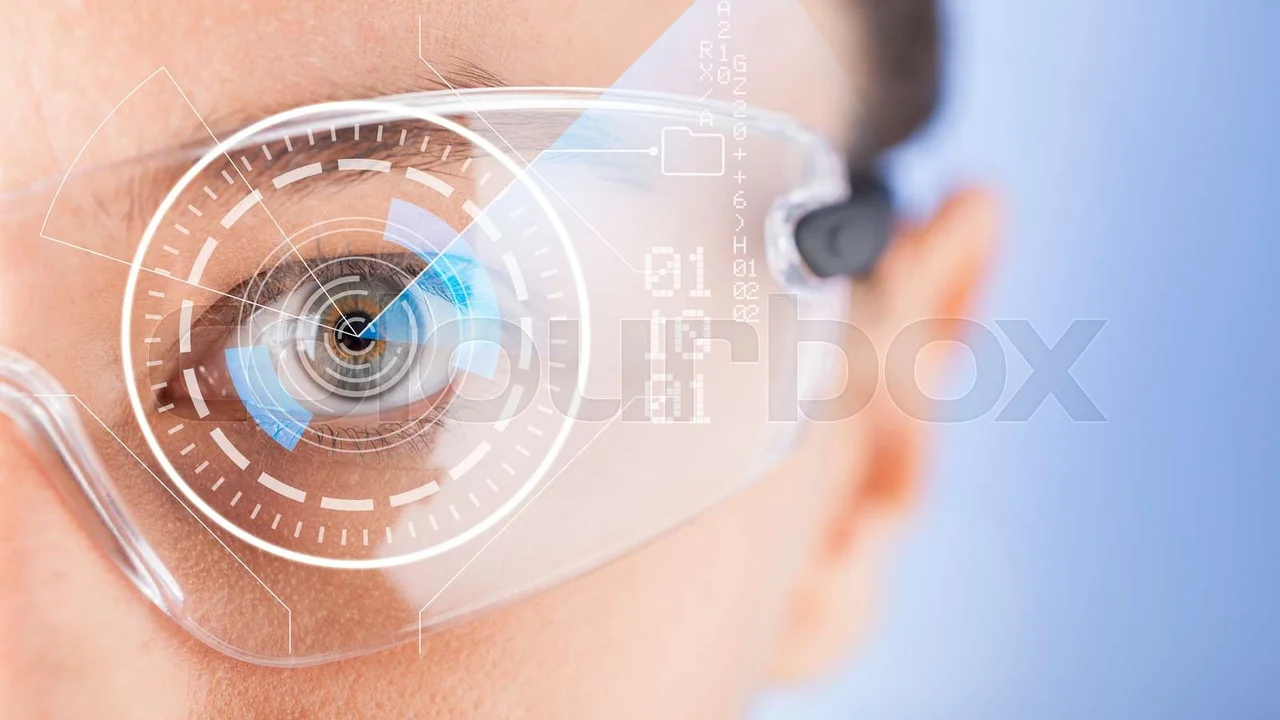
Smart Glasses and Haptic Feedback Enhancing Immersion
Explore how haptic feedback is being integrated into smart glasses to create more immersive experiences.
Explore how haptic feedback is being integrated into smart glasses to create more immersive experiences.
Smart Glasses and Haptic Feedback Enhancing Immersion
Hey there, tech enthusiasts! We're diving deep into something super cool today: how haptic feedback is making smart glasses even more immersive. You know that little buzz your phone gives you when you get a text? That's haptic feedback in its simplest form. Now, imagine that concept applied to your smart glasses, making virtual objects feel tangible or guiding you with subtle nudges. It's not just about seeing and hearing anymore; it's about feeling the digital world around you. This is a game-changer for everything from gaming and entertainment to professional applications and accessibility. Let's break down how this technology works, why it's so important, and what exciting products are already out there or on the horizon.
Understanding Haptic Feedback in Wearable Technology
So, what exactly is haptic feedback? In a nutshell, it's any technology that can create an experience of touch by applying forces, vibrations, or motions to the user. Think about the rumble in your game controller, the click of a virtual button on a touchscreen, or even the subtle vibrations from a smartwatch notification. For smart glasses, haptics can take many forms, from tiny motors that vibrate near your temples to more advanced systems that can simulate textures or even resistance. The goal is to bridge the gap between the digital and physical worlds, making interactions feel more natural and intuitive. This isn't just about making things 'feel real'; it's about providing crucial non-visual cues that can enhance usability, safety, and overall engagement. Imagine navigating a city and feeling a gentle vibration on the left side of your glasses to indicate a left turn, or feeling a subtle 'tap' when you successfully interact with a virtual button in an augmented reality environment. It adds a whole new layer of sensory information that was previously missing.
Why Haptic Feedback is Crucial for Smart Glasses Immersion
You might be wondering, why bother with haptics in smart glasses? Isn't visual and audio enough? Not really! Our brains are wired to process information from multiple senses simultaneously. When you add touch to the mix, the experience becomes significantly more believable and engaging. Think about it: if you're playing an AR game where a virtual creature brushes past you, a visual and auditory cue is good, but a subtle vibration that mimics the sensation of something moving past your head? That's next level. Haptic feedback can:
- Enhance Realism: It makes virtual objects and interactions feel more tangible and present.
- Improve User Interface (UI) and User Experience (UX): Haptic cues can confirm actions, guide navigation, and provide subtle alerts without requiring visual attention. This is especially useful in situations where your eyes need to stay focused on the real world.
- Increase Safety: Imagine smart glasses that vibrate to warn you of an approaching obstacle or a dangerous situation in your periphery.
- Boost Accessibility: For users with visual or auditory impairments, haptic feedback can provide alternative ways to receive information and interact with their environment.
- Deepen Emotional Connection: Certain haptic patterns can evoke specific emotions, making experiences more impactful.
Without haptics, smart glasses experiences can feel somewhat detached. Adding that sense of touch grounds the digital content in your physical reality, making it feel less like a projection and more like an integrated part of your world. It's about creating a truly multi-sensory experience that tricks your brain into believing what it's seeing and interacting with is real.
Current Implementations and Notable Products
While full-body haptic suits are still mostly in the realm of sci-fi, smart glasses are already starting to incorporate haptic elements. Here are a few examples and what they bring to the table:
Ray-Ban Stories and Subtle Notifications
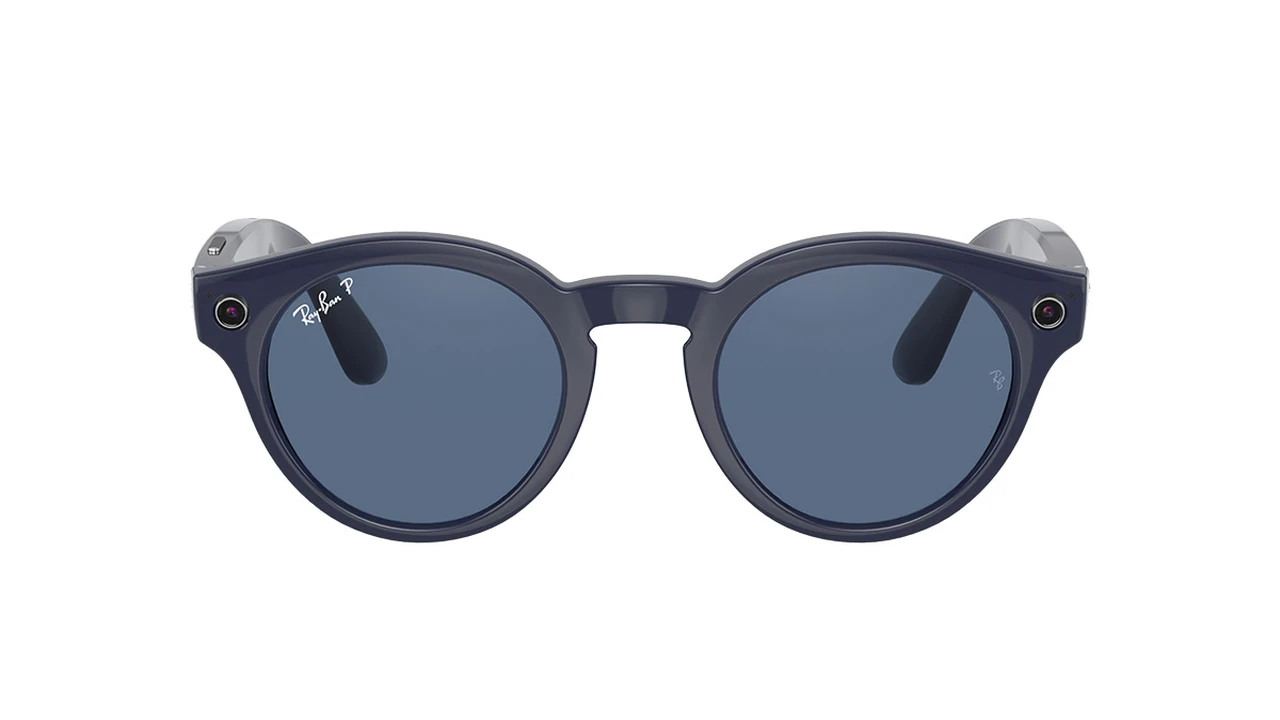
Let's start with something relatively simple but effective: the Ray-Ban Stories. These aren't full-blown AR glasses, but they do integrate subtle haptic feedback. When you receive a notification, or when you start/stop recording a video, you'll feel a gentle vibration near your temples. This is a great example of how haptics can provide discreet, non-intrusive alerts, allowing you to stay present in the moment without constantly checking your phone. It's a basic implementation, but it shows the potential for integrating haptics into everyday eyewear. The price point for Ray-Ban Stories typically ranges from $299 to $329, depending on the style and lenses. Their haptic feedback is primarily for notifications and recording cues, offering a subtle buzz rather than complex tactile sensations.
North Focals (now Google) and Directional Cues
Before they were acquired by Google, North's Focals smart glasses were known for their subtle, stylish design and innovative features. While not heavily focused on haptics, they did explore using subtle vibrations for directional cues, guiding users with gentle nudges. This kind of application is incredibly useful for navigation, allowing you to keep your eyes on the road or path while still receiving clear instructions. Imagine walking through a new city and feeling a gentle vibration on your left temple when you need to turn left. It's intuitive and keeps your attention where it needs to be. Focals were priced around $599-$999 before their discontinuation, and their haptic integration was more about subtle guidance than immersive feedback.
Vuzix Smart Glasses and Industrial Applications
Moving into more professional territory, Vuzix smart glasses, like the M400 or Blade, are often used in industrial settings for remote assistance, training, and workflow optimization. While their primary focus is on visual information, some models incorporate haptic feedback for alerts, confirmations, or even to guide workers through complex tasks. For example, a worker might receive a vibration when they've successfully scanned a barcode or when a critical alert requires their attention. This enhances efficiency and safety in hands-on environments. Vuzix models vary widely in price, from around $700 for the Blade to over $2,000 for enterprise-grade models like the M400. Their haptics are typically robust vibrations for critical alerts and confirmations in noisy industrial environments.
Emerging Technologies and Concepts
Beyond existing products, researchers and developers are exploring even more advanced haptic technologies for smart glasses:
- Electro-tactile Stimulation: This involves using small electrical currents to stimulate nerve endings on the skin, creating sensations of pressure, texture, or even temperature. Imagine feeling the 'roughness' of a virtual object or the 'warmth' of a digital fire.
- Ultrasonic Haptics: Using focused ultrasound waves to create tactile sensations in mid-air, without direct contact. This could allow users to 'feel' virtual objects floating in front of them.
- Vibrotactile Arrays: More sophisticated arrays of tiny vibrating motors that can create complex patterns and simulate different textures or movements across a larger area of the skin.
- Force Feedback: While challenging to implement in lightweight glasses, some concepts explore miniature actuators that could provide subtle resistance or push-back, making virtual interactions even more realistic.
These advanced haptic technologies are still largely in the research and development phase, but they hold immense promise for the future of smart glasses, pushing the boundaries of what's possible in terms of immersion and interaction.
Comparing Haptic Implementations in Smart Glasses
When we talk about haptic feedback in smart glasses, it's not a one-size-fits-all situation. Different products and technologies offer varying levels of sophistication and serve different purposes. Let's compare a few approaches:
Simple Vibration Motors vs. Advanced Tactile Arrays
Most current smart glasses that include haptics use simple eccentric rotating mass (ERM) motors or linear resonant actuators (LRAs). These are the same types of motors found in your smartphone, providing a general buzz or vibration. They're great for notifications, simple confirmations, or directional cues. They are cost-effective and consume relatively little power.
On the other hand, advanced tactile arrays, like those being developed in research labs, involve multiple tiny haptic actuators arranged in a grid. This allows for much more nuanced and localized sensations. Instead of just a general buzz, you could feel a sensation moving across your temple, or a specific texture. These are more complex and expensive to implement but offer a far richer haptic experience. Think of it like the difference between a single speaker (simple vibration) and a surround sound system (tactile array).
Directional Haptics vs. Immersive Haptics
Some smart glasses use haptics primarily for directional guidance. For example, a vibration on the left side of the frame indicates a left turn. This is highly functional and useful for navigation or task guidance. It's about providing clear, unambiguous cues.
Immersive haptics, however, aims to make the virtual world feel more real. This could involve simulating the feeling of rain, the impact of a virtual object, or the texture of a digital surface. This is where the true magic happens for gaming, entertainment, and even realistic training simulations. It's about adding a layer of sensory information that enhances the overall believability of the virtual environment.
Product Comparison Table (Illustrative)
| Product/Technology | Primary Haptic Use Case | Type of Haptic Feedback | Typical Price Range | Immersion Level |
|---|---|---|---|---|
| Ray-Ban Stories | Notifications, Recording Cues | Simple Vibration (ERM/LRA) | $299 - $329 | Low (Functional) |
| North Focals (Discontinued) | Directional Cues, Alerts | Subtle Vibration | $599 - $999 (Historical) | Low (Functional) |
| Vuzix M400/Blade | Industrial Alerts, Confirmations | Robust Vibration | $700 - $2,000+ | Medium (Functional/Alerts) |
| Research Prototypes (e.g., Electro-tactile) | Texture Simulation, Complex Sensations | Electro-tactile, Ultrasonic, Advanced Arrays | N/A (Research) | High (Immersive) |
As you can see, the current market offers more functional haptics, while the cutting edge of research is pushing towards truly immersive and realistic tactile experiences. The price often reflects the complexity and target market of the smart glasses, with consumer-focused devices offering simpler haptics and enterprise solutions providing more robust, application-specific feedback.
Use Cases and Applications of Haptic Smart Glasses
The integration of haptic feedback opens up a world of possibilities for smart glasses across various sectors. It's not just about making games more fun; it's about making work more efficient, learning more effective, and daily life more accessible.
Gaming and Entertainment: Feeling the Virtual World
This is perhaps the most obvious application. Imagine playing an AR game where you feel the impact of a virtual projectile, the rumble of a virtual earthquake, or the subtle sensation of a digital character moving past you. Haptic feedback can dramatically increase the sense of presence and immersion, making games feel more real and engaging. For virtual concerts or interactive movies, haptics could allow you to 'feel' the bass drops or the subtle vibrations of a scene, pulling you deeper into the experience. It's about moving beyond just visual and auditory stimuli to a truly multi-sensory entertainment experience.
Navigation and Accessibility: Guiding You with Touch
For navigation, haptic smart glasses could provide intuitive, hands-free directions. Instead of looking at a map, you'd feel a gentle vibration on the side of your head corresponding to the direction you need to turn. This is incredibly useful for pedestrians, cyclists, or even drivers who want to keep their eyes on the road. For accessibility, haptics can be transformative. Imagine smart glasses that vibrate to alert a visually impaired user of an approaching obstacle, or to guide them through an unfamiliar environment. For hearing-impaired individuals, haptics could translate sounds into tactile patterns, providing a new way to perceive their surroundings.
Industrial and Enterprise: Enhanced Workflow and Safety
In industrial settings, haptic feedback can significantly improve workflow efficiency and safety. Workers wearing smart glasses could receive haptic alerts for critical machinery malfunctions, or vibrations to confirm successful completion of a task, like tightening a bolt to the correct torque. For remote assistance, a technician guiding a worker could send haptic cues to direct their attention or indicate specific actions. In training simulations, haptics can make virtual environments feel more realistic, allowing trainees to develop muscle memory and react appropriately to simulated tactile feedback, such as the resistance of a virtual tool or the vibration of a machine.
Healthcare and Medical Training: Precision and Realism
In healthcare, haptic smart glasses could revolutionize medical training. Surgeons could practice complex procedures on virtual patients, feeling the resistance of tissues or the texture of organs. This provides a much more realistic and effective training environment than purely visual simulations. For patient care, haptics could be used in rehabilitation, guiding patients through exercises with tactile cues, or even in remote diagnostics, allowing doctors to 'feel' certain conditions through haptic feedback from a remote device. Imagine a doctor feeling a patient's pulse remotely through haptic feedback on their smart glasses.
Sports and Fitness: Real-time Feedback
Athletes could benefit from haptic smart glasses that provide real-time feedback on their form or performance. A runner might receive a subtle vibration if their stride is off, or a golfer might feel a specific haptic pattern indicating the perfect swing. This allows for immediate, intuitive adjustments without breaking concentration. For team sports, haptics could be used for silent communication, with coaches sending haptic signals to players for strategic adjustments.
Challenges and Future Outlook for Haptic Smart Glasses
While the potential of haptic smart glasses is immense, there are still some significant hurdles to overcome before they become mainstream and truly immersive.
Technical Challenges: Miniaturization and Power
One of the biggest challenges is miniaturization. Haptic actuators, especially those capable of complex sensations, can be bulky and power-hungry. Integrating them seamlessly into lightweight, stylish smart glasses without compromising battery life or aesthetics is a major engineering feat. Creating haptic feedback that feels natural and precise, rather than just a generic buzz, requires sophisticated control algorithms and advanced materials. Also, ensuring that the haptic feedback doesn't interfere with other smart glasses functions, like optical clarity or audio quality, is crucial.
Cost and Accessibility: Making it Affordable
Advanced haptic technologies are currently expensive to research and implement. For haptic smart glasses to gain widespread adoption, the cost needs to come down significantly. This will require mass production, economies of scale, and continued innovation in manufacturing processes. Making these devices affordable will be key to bringing truly immersive experiences to a broader audience.
User Acceptance and Comfort: The Wearability Factor
Even with advanced technology, user comfort is paramount. Haptic feedback needs to be subtle enough not to be distracting or annoying, yet strong enough to be effective. The placement of haptic actuators on the face or head is critical, as different areas of the skin have varying sensitivities. Ensuring that the haptic sensations feel natural and intuitive, rather than artificial or jarring, is essential for user acceptance. Nobody wants a pair of smart glasses that constantly buzzes unpleasantly.
The Future is Tactile: What to Expect Next
Despite the challenges, the future of haptic smart glasses looks incredibly promising. We can expect to see:
- More Sophisticated Haptic Arrays: Moving beyond simple vibrations to more nuanced and localized tactile sensations, potentially simulating textures, pressure, and even temperature.
- Integration with AI: Haptic feedback becoming context-aware, providing more intelligent and personalized cues based on user activity and environment.
- Standardization: As the technology matures, we might see standardized haptic libraries and APIs, making it easier for developers to integrate rich haptic experiences into their applications.
- Cross-Device Haptics: Seamless haptic experiences that extend beyond smart glasses to other wearables and smart devices, creating a truly connected tactile ecosystem.
- Personalized Haptics: The ability to customize haptic feedback patterns and intensities to individual preferences and sensitivities.
The journey towards truly immersive smart glasses is a multi-sensory one. While visuals and audio have led the way, the integration of haptic feedback is the next crucial step in blurring the lines between the digital and physical worlds. Get ready to not just see and hear, but to feel the future!
:max_bytes(150000):strip_icc()/277019-baked-pork-chops-with-cream-of-mushroom-soup-DDMFS-beauty-4x3-BG-7505-5762b731cf30447d9cbbbbbf387beafa.jpg)