Top 5 Mistakes to Avoid When Buying Smart Glasses
Steer clear of common pitfalls with our list of the top 5 mistakes to avoid when purchasing smart glasses.

Steer clear of common pitfalls with our list of the top 5 mistakes to avoid when purchasing smart glasses.
Top 5 Mistakes to Avoid When Buying Smart Glasses
So, you're ready to dive into the exciting world of smart glasses? That's fantastic! These innovative devices are changing the way we interact with technology, offering everything from hands-free communication to augmented reality experiences. But before you hit that 'buy now' button, hold on a second. Just like any emerging tech, there are some common traps that first-time buyers often fall into. Avoiding these mistakes can save you money, frustration, and ensure you get the perfect pair of smart glasses for your needs. Let's break down the top 5 blunders and how to sidestep them.
Mistake 1 Ignoring Comfort and Fit Smart Glasses Ergonomics
This might sound obvious, but it's probably the most overlooked aspect when buying smart glasses. You're going to be wearing these on your face, potentially for extended periods. If they're uncomfortable, too heavy, pinch your nose, or slide down, you simply won't use them. Many people get caught up in the tech specs and forget that smart glasses are, first and foremost, eyewear.
Why Comfort Matters for Smart Glasses
Think about it: would you wear a pair of regular glasses that constantly bothered you? Probably not. The same applies to smart glasses. Discomfort can lead to headaches, nose bridge irritation, and ear fatigue. A poor fit can also affect the display's alignment, making the visual experience less than ideal.
How to Ensure a Good Fit for Your Smart Glasses
- Try Before You Buy: If at all possible, try on different models. Visit electronics stores or showrooms that have demo units. This is the best way to gauge comfort.
- Check Weight Distribution: Some smart glasses are front-heavy. Look for models that distribute weight evenly across the nose bridge and temples.
- Adjustability: Do they come with different nose pads or temple tips? Adjustable components can make a huge difference in achieving a custom fit.
- Material Matters: Consider the materials used. Lightweight plastics, flexible metals, and soft silicone nose pads can enhance comfort.
Recommended Smart Glasses for Comfort
For everyday wear and comfort, some models stand out:
- Ray-Ban Stories: These are designed to look and feel like regular Ray-Ban Wayfarers. They are relatively lightweight (around 49g) and offer a familiar fit, making them very comfortable for extended use. Their primary use case is casual photo/video capture and audio playback. Price: Around $299-$329.
- Amazon Echo Frames (3rd Gen): Also designed to blend in, these are incredibly light (around 31g) and come in various styles. They focus on audio and Alexa integration, making them great for hands-free communication. Price: Around $269.99.
- Focals by North (now discontinued but a good example): While no longer sold, Focals were renowned for their custom fit, requiring a precise measurement process. This highlighted the importance of tailored comfort.
Mistake 2 Overlooking Battery Life and Charging Smart Glasses Power Management
Smart glasses are mini-computers on your face, and like all portable electronics, they need power. Many first-time buyers get excited about features but forget to check how long the device will actually last on a single charge, and how convenient it is to recharge.
The Importance of Smart Glasses Battery Life
Imagine being in the middle of an important video call or navigating a new city, and your smart glasses die. Frustrating, right? Battery life directly impacts usability. If you're constantly worried about finding an outlet, your smart glasses become a burden, not a convenience.
What to Look for in Smart Glasses Battery Specs
- Advertised Usage Time: Look for 'active use' battery life, not just 'standby.' Active use typically involves display usage, audio playback, and connectivity.
- Charging Case: Does it come with a charging case? Many smart glasses, similar to wireless earbuds, offer a case that provides multiple recharges on the go. This significantly extends their practical battery life.
- Charging Speed: How long does it take to fully charge the glasses and their case? Fast charging can be a lifesaver.
- Power Consumption of Features: Understand that features like continuous video recording, bright AR displays, and constant GPS usage will drain the battery much faster.
Smart Glasses with Good Battery Performance
While 'good' battery life is subjective to usage, some models offer better endurance or convenient charging solutions:
- Ray-Ban Stories: Offer about 6 hours of continuous use (recording and listening) and come with a portable charging case that provides 3 additional charges. This makes them practical for a full day out.
- Amazon Echo Frames (3rd Gen): Provide up to 6 hours of continuous audio playback or 14 hours of intermittent use. The charging stand is convenient for home use.
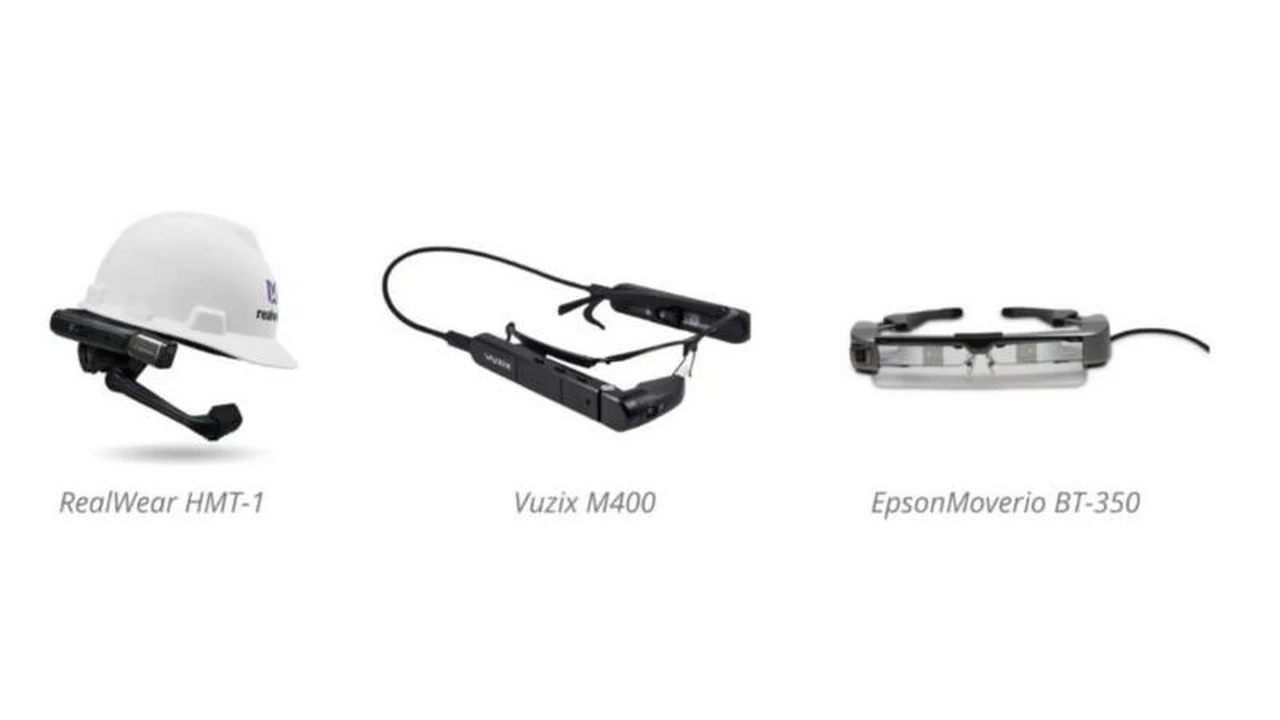
- Vuzix Blade 2: Designed for enterprise, these offer around 2-3 hours of active AR use, but often come with external battery packs for extended shifts. Their use case is more intensive, so battery life is managed differently. Price: Around $1,999.
Mistake 3 Neglecting Ecosystem Compatibility Smart Glasses Integration
Smart glasses aren't standalone devices; they're part of a larger tech ecosystem. Many buyers forget to check if the smart glasses they're eyeing will play nicely with their existing smartphone, apps, and other smart devices.
Why Ecosystem Compatibility is Crucial for Smart Glasses
Imagine buying smart glasses only to find out they only work with iPhones, and you have an Android. Or that the companion app is clunky and doesn't integrate with your favorite fitness trackers or smart home devices. A lack of compatibility can severely limit the functionality and convenience of your smart glasses.
Key Compatibility Checks for Smart Glasses
- Operating System: Are they compatible with iOS, Android, or both? Some enterprise-focused glasses might even run on Windows or Linux.
- Companion App: Is there a stable, user-friendly companion app? This app is often essential for setup, settings, firmware updates, and accessing features.
- App Ecosystem: Do they support third-party apps you might want to use (e.g., navigation, fitness, social media)?
- Connectivity: Do they use standard Bluetooth versions? Are they Wi-Fi enabled for faster data transfer or cloud syncing?
- Voice Assistant Integration: Do they integrate with your preferred voice assistant (Alexa, Google Assistant, Siri)?
Smart Glasses with Strong Ecosystems
Brands with established tech ecosystems often offer better integration:
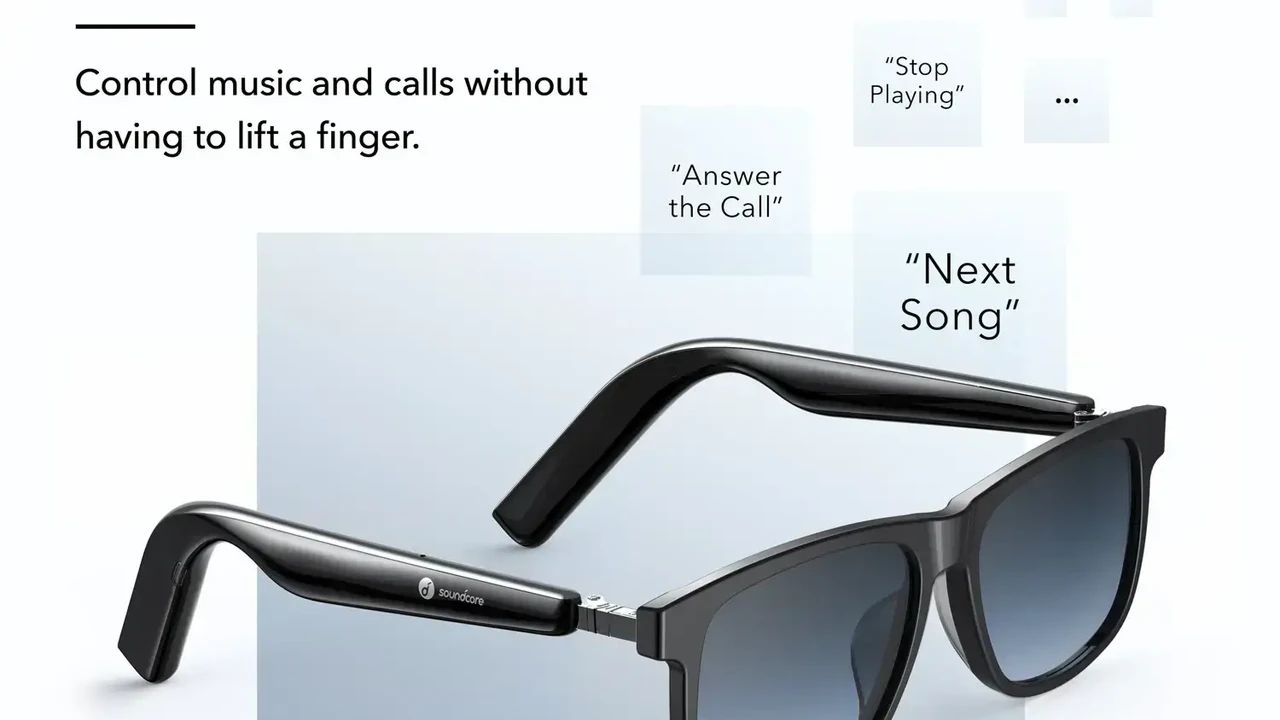
- Amazon Echo Frames: Seamlessly integrate with the Alexa ecosystem, allowing control of smart home devices, music, and calls via voice commands. They work with both iOS and Android.
- Ray-Ban Stories: Connect via the Meta View app (iOS and Android), which is intuitive for managing photos, videos, and settings. They leverage Meta's social media ecosystem for easy sharing.
- Google Glass Enterprise Edition 2: While enterprise-focused, these are built on Android, making them highly customizable and compatible with a vast array of Android-based enterprise applications.
Mistake 4 Ignoring Privacy and Security Features Smart Glasses Data Protection
Smart glasses, especially those with cameras and microphones, raise significant privacy concerns. Many buyers are so focused on the cool factor that they don't consider how their data is being collected, stored, and used, or how to protect the privacy of those around them.
The Importance of Smart Glasses Privacy and Security
With cameras on your face, you're essentially carrying a recording device that's always pointed at what you're looking at. This can lead to privacy breaches for yourself and others. Understanding the security measures in place is vital.
What to Look for in Smart Glasses Privacy Features
- Recording Indicators: Do they have a clear, visible light that indicates when the camera is recording? This is crucial for public awareness.
- Data Encryption: Is your data (photos, videos, audio) encrypted when stored on the device or transferred to the cloud?
- Privacy Policies: Read the manufacturer's privacy policy. Understand what data they collect and how they use it.
- Microphone Mute: Can you easily mute the microphone when not in use?
- Physical Controls: Are there physical buttons or switches to disable cameras or microphones for absolute privacy?
- Facial Recognition/Biometrics: Be aware if the glasses have any facial recognition capabilities and how that data is handled.
Smart Glasses with Strong Privacy Considerations
Manufacturers are increasingly aware of privacy concerns:
- Ray-Ban Stories: Feature a prominent LED light that illuminates when recording, making it clear to others. Meta has also implemented strict data handling policies.
- Amazon Echo Frames: Primarily audio-focused, they don't have a camera. They also have a physical button to mute the microphone, offering peace of mind for audio privacy.
- Vuzix Blade 2: While they have a camera, they are often used in controlled enterprise environments where privacy protocols are established. They also have a clear recording indicator.
Mistake 5 Underestimating the Learning Curve Smart Glasses User Experience
Smart glasses are a new form factor for many. They operate differently from smartphones or smartwatches. Some buyers expect an intuitive, plug-and-play experience, only to be frustrated by a steep learning curve or unintuitive controls.
Why the Learning Curve Matters for Smart Glasses Adoption
If a device is too difficult to use, it will end up in a drawer. Smart glasses often rely on gestures, voice commands, or subtle head movements. Mastering these can take time. An overly complex interface can detract from the 'hands-free' promise.
Tips for a Smoother Smart Glasses User Experience
- Research User Reviews: Look for reviews that specifically mention ease of use, setup process, and control schemes.
- Tutorials and Guides: Does the manufacturer provide clear tutorials or in-app guides?
- Control Methods: Understand how you'll interact with the glasses (e.g., touchpads on the temples, voice commands, physical buttons). Which method do you prefer?
- Software Updates: Does the company regularly release software updates that improve usability and add features?
- Community Support: Is there an active user community or forums where you can get help and tips?
Smart Glasses Known for User Friendliness
Some smart glasses are designed with simplicity in mind:
- Ray-Ban Stories: Their controls are relatively simple, relying on a single button and a touch-sensitive temple for photo/video capture and audio control. The Meta View app is also very straightforward.
- Amazon Echo Frames: Interaction is primarily through voice commands to Alexa, which many users are already familiar with. There are also simple physical buttons for volume and muting.
- Nreal Air: While offering an immersive display, their setup and connection to a smartphone are relatively simple, making them accessible for media consumption. Price: Around $379.
By keeping these five common mistakes in mind, you'll be much better equipped to make an informed decision when purchasing your first pair of smart glasses. Do your research, prioritize comfort, understand the tech, and you'll be enjoying the future of wearable technology in no time!
:max_bytes(150000):strip_icc()/277019-baked-pork-chops-with-cream-of-mushroom-soup-DDMFS-beauty-4x3-BG-7505-5762b731cf30447d9cbbbbbf387beafa.jpg)