The Impact of Smart Glasses on Daily Life A Societal Shift
Consider how smart glasses could fundamentally change our daily routines and interactions.
Consider how smart glasses could fundamentally change our daily routines and interactions.
The Impact of Smart Glasses on Daily Life A Societal Shift
Smart Glasses Integration into Everyday Routines
Smart glasses, once relegated to the realm of science fiction, are steadily making their way into our daily lives, promising a societal shift in how we interact with information, each other, and the world around us. This isn't just about wearing a screen on your face; it's about a fundamental redefinition of personal computing, communication, and even our perception of reality. The integration of smart glasses into everyday routines is happening subtly but surely, moving beyond niche applications to become a more ubiquitous presence.
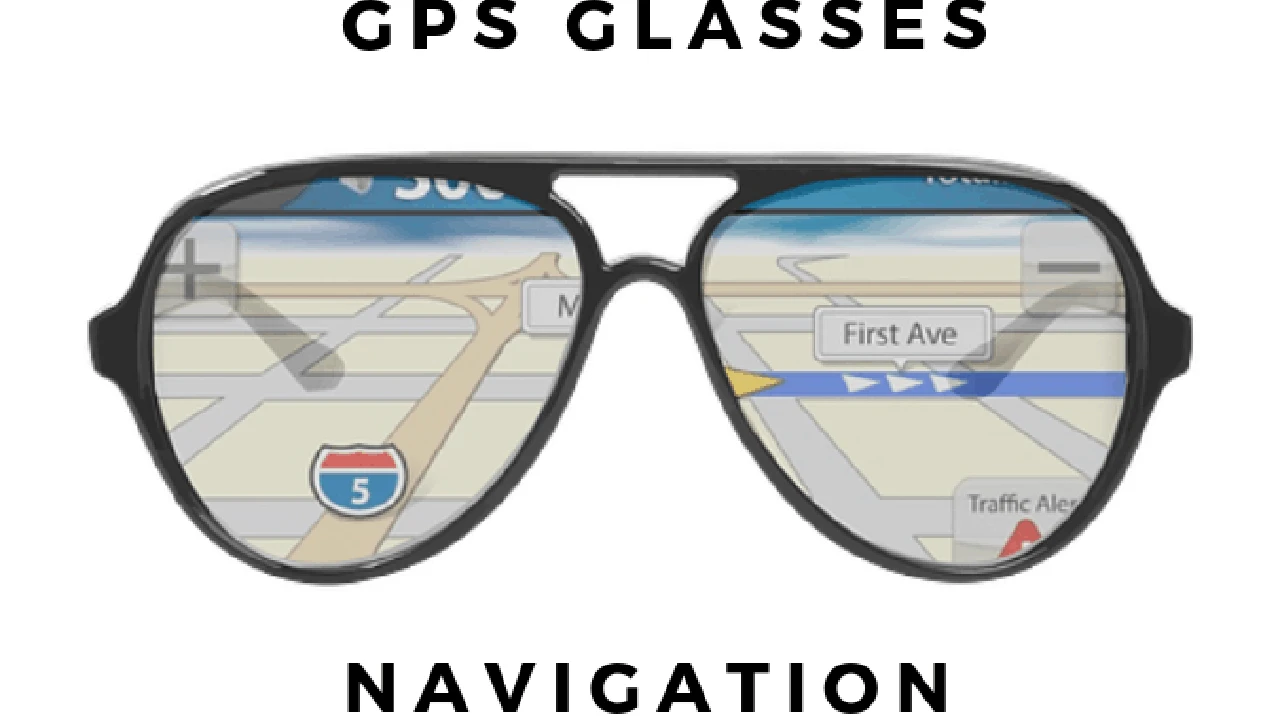
Think about your morning commute. Instead of pulling out your phone to check directions, your smart glasses could overlay navigation cues directly onto your field of vision, allowing you to stay aware of your surroundings. Imagine walking through a new city, and as you look at landmarks, your smart glasses provide instant historical facts or restaurant recommendations. This seamless access to information, without the need to constantly look down at a separate device, is a core aspect of their transformative potential.
Beyond information access, smart glasses are poised to change how we communicate. Video calls could become more immersive, with participants appearing as holograms in your living room. Language barriers could diminish as real-time translation appears as subtitles over someone's speech. These aren't distant dreams; prototypes and early versions of these capabilities are already in development or available in limited forms. The shift is towards a more integrated, less disruptive form of technology use, where information and communication blend effortlessly with our physical environment.
Enhanced Productivity and Efficiency with Smart Glasses
One of the most significant impacts of smart glasses on daily life will be the enhancement of productivity and efficiency, both personally and professionally. For individuals, this means a hands-free way to manage tasks, access information, and stay connected. For businesses, it translates to streamlined workflows, improved training, and enhanced collaboration.
Consider a professional working in a hands-on field, like a technician repairing complex machinery. With smart glasses, they can receive step-by-step instructions, diagrams, or even live remote assistance from an expert, all while keeping their hands free to perform the repair. This reduces errors, speeds up processes, and minimizes the need for extensive training manuals. Products like the Google Glass Enterprise Edition 2 (around $1,000 - $1,500, depending on vendor and accessories) are already being used in manufacturing, logistics, and healthcare for these very purposes. Its lightweight design and focus on enterprise applications make it a strong contender for industrial use cases.
In a more general office setting, smart glasses could facilitate more engaging virtual meetings, allowing participants to share and interact with 3D models or data visualizations in a shared virtual space. For example, the Microsoft HoloLens 2 (typically $3,500 for the device, with additional software licenses) offers advanced mixed reality capabilities, enabling professionals to collaborate on complex designs or simulations as if they were in the same room. While its price point makes it primarily an enterprise tool, the underlying technology showcases the potential for future consumer-grade devices.
Even for everyday tasks, smart glasses can boost efficiency. Imagine cooking with a recipe projected onto your countertop, or getting real-time feedback on your golf swing directly in your vision. The ability to access information contextually and hands-free removes friction from many daily activities, freeing up cognitive load and allowing for more focused attention on the task at hand.
Smart Glasses for Health and Wellness Monitoring
The integration of smart glasses into health and wellness monitoring represents a profound shift towards proactive and personalized healthcare. These devices can go beyond simple fitness tracking, offering sophisticated insights into our physical and mental well-being, and even assisting in medical procedures.
Many smart glasses are already incorporating sensors that can track heart rate, steps, and even sleep patterns, similar to smartwatches. However, the advantage of smart glasses lies in their always-on, always-in-view nature. Imagine receiving a subtle visual cue if your posture is poor, or a reminder to take a break if you've been staring at a screen for too long. Some advanced prototypes are exploring features like eye-tracking for early detection of neurological conditions or even glucose monitoring through non-invasive methods.
For fitness enthusiasts, smart glasses can provide real-time performance metrics overlaid onto their view during a run or bike ride. The Solos Smart Glasses (around $500 - $700) are a prime example, designed specifically for cyclists and runners, displaying metrics like speed, cadence, and heart rate directly in their line of sight. This allows athletes to stay focused on their activity without constantly looking down at a separate device.
In a medical context, smart glasses are being used by surgeons to access patient data or medical images during operations, reducing the need to look away from the patient. They can also facilitate remote consultations, allowing specialists to guide procedures from thousands of miles away. The potential for smart glasses to empower individuals to take a more active role in managing their health, and for healthcare professionals to deliver more efficient and precise care, is immense.
Social Interactions and Connectivity through Smart Glasses
Perhaps one of the most debated aspects of smart glasses is their potential impact on social interactions and connectivity. While some fear they might lead to increased isolation or a detachment from physical reality, others argue they could foster deeper connections and more meaningful interactions.
One of the most common concerns is the 'glasshole' phenomenon – people being engrossed in their smart glasses and ignoring those around them. However, the design trend for smart glasses is moving towards more discreet and socially acceptable forms, often resembling regular eyewear. The goal is to integrate technology seamlessly, not to make it overtly obvious.
Consider the potential for enhanced social interactions. Imagine meeting someone new and your smart glasses subtly displaying their name and a few shared interests based on your social network connections (with their permission, of course). This could facilitate more natural and informed conversations. For individuals with social anxieties, smart glasses could provide subtle cues or information to help navigate complex social situations.
Products like Ray-Ban Stories (starting around $299) are designed with social sharing in mind, allowing users to capture photos and videos from a first-person perspective and share them instantly. While primarily focused on content creation, they represent a step towards integrating digital sharing more seamlessly into social moments. The discreet cameras and audio capabilities allow for hands-free capture of memories without pulling out a phone, potentially leading to more authentic interactions.
Furthermore, smart glasses could bridge geographical distances in new ways. Imagine attending a family gathering virtually, with distant relatives appearing as lifelike avatars in your living room, allowing for a more immersive and personal connection than a traditional video call. The key will be designing these interactions to augment, rather than replace, genuine human connection.
Smart Glasses and the Future of Entertainment and Gaming
The entertainment and gaming industries are ripe for disruption by smart glasses, offering immersive experiences that blend digital content with the real world. This goes beyond traditional screens, creating new forms of engagement and interaction.
Augmented reality (AR) gaming is a prime example. Instead of playing a game on a phone screen, smart glasses can project game elements directly into your physical environment. Imagine battling virtual monsters in your living room, or solving puzzles that interact with real-world objects. The Nreal Air (around $379) is a popular choice for consumers looking for an immersive display experience, allowing users to project a large virtual screen in front of them for watching movies or playing games from connected devices. Its lightweight design and comfortable fit make it suitable for extended entertainment sessions.
Beyond gaming, smart glasses can transform how we consume media. Imagine watching a movie on a massive virtual screen that appears in your living room, or attending a virtual concert where the performers are holograms in your space. This level of immersion can make entertainment more personal and engaging.
For educational entertainment, smart glasses could offer interactive tours of historical sites, overlaying information and animations onto the real-world view. Children could learn about dinosaurs by seeing them roam their backyard, or explore the solar system with planets appearing around them. The potential for smart glasses to make learning fun and interactive is enormous.
Challenges and Ethical Considerations of Smart Glasses
While the potential benefits of smart glasses are vast, their widespread adoption also brings significant challenges and ethical considerations that need to be addressed. These include privacy concerns, data security, potential for distraction, and the digital divide.
Privacy is perhaps the most pressing concern. With cameras and microphones constantly recording, smart glasses raise questions about surveillance and consent. How do we ensure that individuals' privacy is protected when someone wearing smart glasses can easily record their surroundings? Regulations and clear ethical guidelines will be crucial. Companies developing smart glasses, like Meta with their Ray-Ban Stories, have implemented features like indicator lights to show when recording is active, but public trust and understanding remain key.
Data security is another major challenge. Smart glasses will collect vast amounts of personal data, from biometric information to location data and user interactions. Protecting this data from breaches and misuse will be paramount. Robust encryption and secure data storage practices will be essential.
Distraction is also a concern, particularly in activities like driving or operating machinery. While smart glasses aim to be less distracting than phones, the potential for information overload or visual clutter could lead to accidents. User interface design and responsible use guidelines will be critical to mitigate this risk.
Finally, there's the issue of the digital divide. As smart glasses become more integral to daily life, access to this technology could exacerbate existing inequalities. Ensuring equitable access and digital literacy will be important to prevent a new form of societal stratification.
Addressing these challenges requires a multi-faceted approach involving technological innovation, robust regulation, public education, and ongoing ethical discussions. The societal shift brought about by smart glasses will not be without its complexities, but by proactively addressing these issues, we can harness their potential for positive change.
The Future Landscape of Smart Glasses and Daily Life
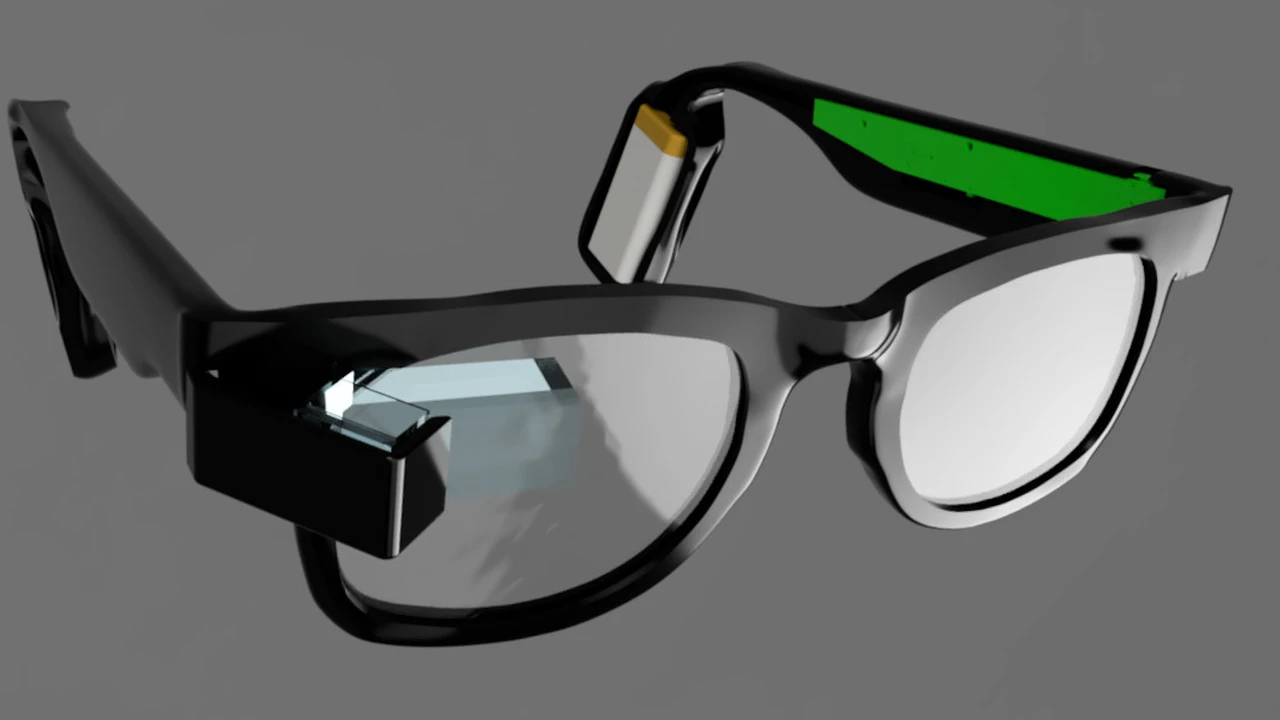
The trajectory of smart glasses suggests a future where they become as commonplace and indispensable as smartphones are today. The evolution will likely see them become smaller, more powerful, and seamlessly integrated into our existing eyewear, making them virtually indistinguishable from regular glasses.
Expect to see advancements in battery life, processing power, and display technology, leading to more vibrant and realistic augmented reality experiences. The integration of artificial intelligence will become even more sophisticated, allowing smart glasses to anticipate our needs, provide proactive assistance, and learn from our behaviors.
Furthermore, the ecosystem of applications and services built around smart glasses will expand dramatically. Developers will create innovative ways to leverage the unique capabilities of these devices, from new forms of entertainment and education to specialized tools for various professions. The open-source community will also play a vital role in fostering innovation and accessibility.
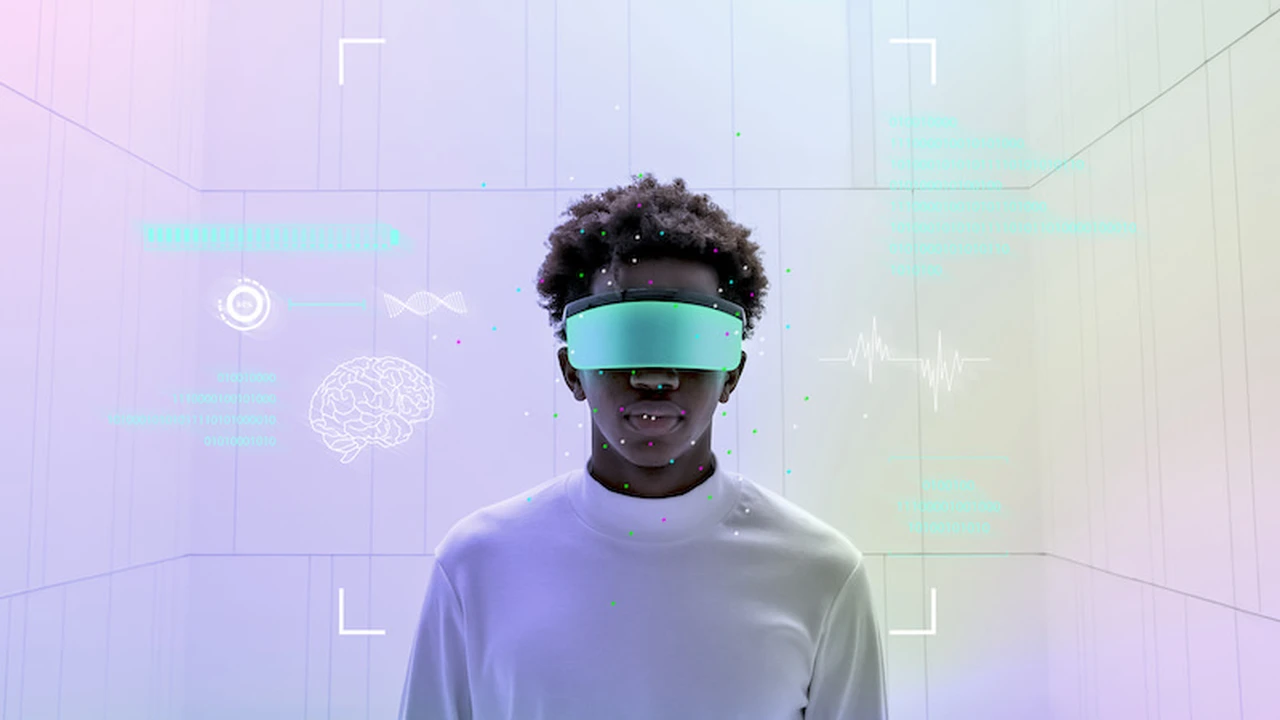
Ultimately, the future landscape of smart glasses in daily life points towards a world where digital information and physical reality are no longer separate but seamlessly intertwined. This will change how we work, learn, play, and connect, ushering in a new era of human-computer interaction that is more intuitive, immersive, and integrated than ever before. The societal shift will be profound, redefining our relationship with technology and the world around us.
:max_bytes(150000):strip_icc()/277019-baked-pork-chops-with-cream-of-mushroom-soup-DDMFS-beauty-4x3-BG-7505-5762b731cf30447d9cbbbbbf387beafa.jpg)