Smart Glasses Security and Data Privacy Concerns
Address your concerns about smart glasses security and data privacy with our comprehensive overview.
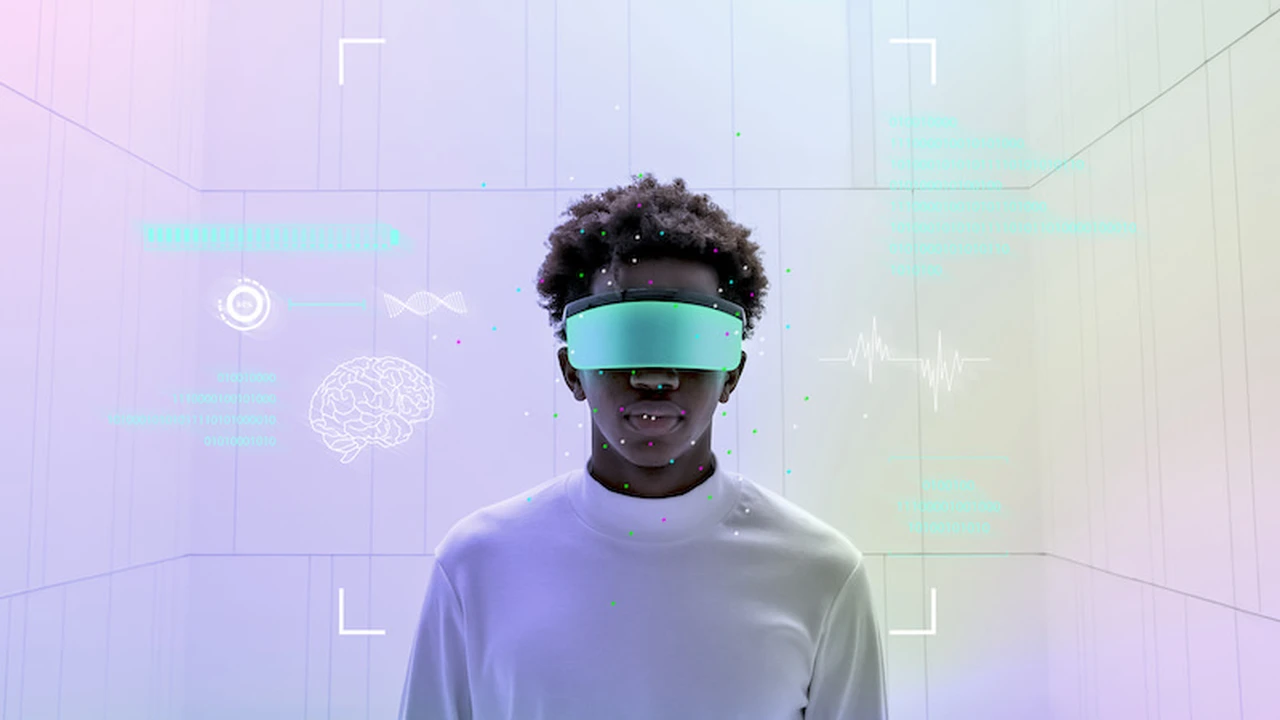
Address your concerns about smart glasses security and data privacy with our comprehensive overview.
Smart Glasses Security and Data Privacy Concerns
Understanding Smart Glasses Data Collection and Usage
Hey there, smart glasses enthusiasts! Let's talk about something super important: the security and data privacy aspects of these cool gadgets. When you strap on a pair of smart glasses, you're essentially wearing a mini-computer on your face, complete with cameras, microphones, and various sensors. This means they're constantly collecting data – a lot of it. This data can range from what you see and hear to your location, biometric information, and even your interactions with the digital world. Understanding what data is collected and how it's used is the first step in addressing privacy concerns.
Think about it: your smart glasses might record video of your surroundings, capture audio conversations, track your eye movements, or even monitor your heart rate if they have health sensors. This information is incredibly personal and, if mishandled, could lead to significant privacy breaches. Companies often collect this data to improve their products, offer personalized services, or for targeted advertising. While some of this is benign, the sheer volume and sensitivity of the data collected by smart glasses raise legitimate questions about how it's stored, processed, and shared.
Potential Security Vulnerabilities in Smart Glasses Technology
Just like any connected device, smart glasses aren't immune to security vulnerabilities. In fact, their intimate nature and constant data collection make them particularly attractive targets for cybercriminals. We're talking about potential risks like unauthorized access to your camera feed, microphone eavesdropping, or even location tracking without your consent. Imagine someone gaining access to your smart glasses and seeing everything you see, or hearing every conversation you have. Pretty creepy, right?
Common vulnerabilities can include weak encryption protocols, insecure software updates, or even physical tampering. Bluetooth connections, often used to pair smart glasses with your smartphone, can also be exploited if not properly secured. Furthermore, the operating systems running on smart glasses might have unpatched vulnerabilities that hackers could leverage. It's crucial for manufacturers to prioritize robust security measures, including end-to-end encryption, regular security patches, and secure boot processes, to protect user data.
Data Privacy Regulations and Smart Glasses Compliance
The good news is that governments and regulatory bodies are increasingly aware of the privacy implications of new technologies like smart glasses. Regulations like GDPR in Europe and CCPA in California are setting precedents for how personal data should be handled. These laws typically require companies to be transparent about their data collection practices, obtain explicit consent from users, and provide mechanisms for users to access, correct, or delete their data.
However, the global nature of smart glasses sales means that manufacturers need to navigate a complex web of regulations. What's compliant in one region might not be in another. For you, the consumer, it means looking for brands that clearly state their commitment to data privacy and adhere to the strictest global standards. Always read the privacy policy – yes, we know it's long and boring, but it's super important!
User Control and Privacy Settings for Smart Glasses
This is where you come in! While manufacturers have a responsibility to build secure devices, you also have a role to play in protecting your own privacy. Most smart glasses come with a range of privacy settings that you should absolutely explore and customize. These might include:
- Camera and Microphone Access: Can you easily disable or control when the camera and microphone are active? Look for physical shutters or clear indicators.
- Location Services: Can you turn off GPS tracking when you don't need it?
- Data Sharing Preferences: Can you opt out of sharing diagnostic data or usage analytics with the manufacturer or third parties?
- Biometric Data: If your smart glasses collect biometric data (like heart rate), can you control how it's used and shared?
- Notification Controls: Can you manage what notifications appear on your display to prevent sensitive information from being seen by others?
Always take the time to go through these settings when you first get your smart glasses. Don't just accept the default options. Your privacy is worth a few minutes of setup time!
Specific Smart Glasses and Their Privacy Features
Let's dive into some popular smart glasses and see how they stack up in terms of privacy and security. Keep in mind that features and policies can evolve, so always check the latest information from the manufacturer.
Ray-Ban Stories Privacy and Data Handling
The Ray-Ban Stories, a collaboration between Meta (formerly Facebook) and EssilorLuxottica, are primarily designed for capturing photos and videos. Their privacy features include a visible LED light that illuminates when the camera is recording, signaling to others that they are being filmed. This is a crucial feature for public transparency. Users also have control over what content is uploaded to the Facebook View app and can delete content from the glasses. Meta has stated that they do not use the content captured by Ray-Ban Stories for targeted ads, but their broader data collection practices across their ecosystem remain a point of discussion for many privacy advocates. It's important to understand that while the glasses themselves might have certain privacy safeguards, the data then enters Meta's larger data infrastructure. The price point for Ray-Ban Stories typically ranges from $299 to $329.
Amazon Echo Frames Security Measures
Amazon Echo Frames are essentially Alexa for your face, focusing on audio and voice commands rather than visual displays or cameras. This design choice inherently reduces some privacy concerns associated with cameras. However, they do have microphones that are always listening for the 'Alexa' wake word. Amazon emphasizes that audio recordings are only sent to the cloud after the wake word is detected, and users can review and delete their voice recordings in the Alexa app. There's also a physical button to mute the microphones for complete privacy. The lack of a camera significantly mitigates visual privacy concerns for bystanders. Echo Frames usually retail for around $269.99.
Google Glass Enterprise Edition 2 Privacy for Business Use
While the consumer version of Google Glass was discontinued, the Google Glass Enterprise Edition 2 is still very much alive and used in industrial settings. For enterprise use, privacy concerns shift slightly from individual consumer privacy to corporate data security and employee privacy. Google Glass EE2 includes a camera, and its use in workplaces often involves strict company policies regarding recording and data handling. Companies deploying Glass EE2 are responsible for ensuring compliance with workplace privacy laws and data protection regulations. The device itself has security features like secure boot and encrypted storage, but the ultimate privacy and security depend heavily on the enterprise's implementation and management of the devices. Pricing for enterprise solutions is typically not publicly listed and depends on volume and customization, but individual units can be several thousand dollars.
Vuzix Smart Glasses Data Protection
Vuzix offers a range of smart glasses, primarily for enterprise and industrial applications, such as the Vuzix Blade and Vuzix M400. These devices often feature cameras and are used for remote assistance, workflow guidance, and data capture in professional environments. Vuzix emphasizes robust security features, including secure operating systems, encrypted data transmission, and integration with enterprise security frameworks. For example, the Vuzix Blade has a camera with a privacy indicator light. Given their enterprise focus, Vuzix smart glasses are designed to integrate with existing IT security infrastructures, allowing companies to manage data access and usage according to their own policies. Prices vary widely by model, from around $700 for the Blade to over $2,000 for the M400 series.
Nreal Air Smart Glasses and User Privacy
The Nreal Air smart glasses are designed more for personal entertainment and productivity, offering an immersive display for media consumption and mobile gaming. While they don't have a camera for recording the environment, they do connect to your smartphone, which is where most of the data processing occurs. Nreal states that they do not collect personal data through the glasses themselves. Any data collected would typically be through the connected smartphone and its apps, subject to the privacy policies of those apps and your phone's operating system. This design choice makes them less intrusive from a public recording perspective compared to camera-equipped smart glasses. Nreal Air typically retails for around $379.
Best Practices for Protecting Your Privacy with Smart Glasses
So, what can you do to be a smart and secure smart glasses user? Here are some practical tips:
- Read the Privacy Policy: Seriously, take the time to understand what data the manufacturer collects and how they use it.
- Adjust Privacy Settings: Don't just stick with the default. Customize camera, microphone, location, and data sharing settings to your comfort level.
- Be Mindful of Your Surroundings: If your smart glasses have a camera, be aware of who and what you're recording, especially in public or private spaces. Respect others' privacy.
- Keep Software Updated: Always install the latest firmware and software updates. These often include critical security patches.
- Use Strong Passwords: If your smart glasses or their companion app require a password, make it strong and unique.
- Understand Third-Party Apps: If you install third-party apps on your smart glasses, review their privacy policies and permissions carefully.
- Consider Physical Indicators: If your smart glasses have a camera, look for a clear, visible indicator light when it's recording.
- Review and Delete Data: Regularly review any data (photos, videos, voice recordings) stored on your smart glasses or associated cloud services and delete what you don't need.
- Be Cautious with Public Wi-Fi: Avoid connecting your smart glasses to unsecured public Wi-Fi networks, as this can expose your data to interception.
- Educate Yourself: Stay informed about new privacy concerns and security best practices for smart glasses and other connected devices.
The Future of Smart Glasses Privacy and Ethical Considerations
As smart glasses become more advanced and integrated into our daily lives, the conversation around privacy and ethics will only intensify. We're moving towards a future where these devices could potentially understand our emotions, anticipate our needs, and even influence our decisions. This raises profound questions about autonomy, surveillance, and the very nature of personal space.
The industry, regulators, and consumers all have a role to play in shaping this future responsibly. Manufacturers need to prioritize 'privacy by design,' building security and privacy into their products from the ground up. Regulators need to adapt laws to keep pace with technological advancements. And we, as users, need to be informed, vigilant, and vocal about our privacy expectations. It's a continuous dialogue, and by staying engaged, we can help ensure that smart glasses enhance our lives without compromising our fundamental right to privacy.
:max_bytes(150000):strip_icc()/277019-baked-pork-chops-with-cream-of-mushroom-soup-DDMFS-beauty-4x3-BG-7505-5762b731cf30447d9cbbbbbf387beafa.jpg)