Smart Glasses Manufacturing Processes From Concept to Product
Gain insight into the complex manufacturing processes involved in creating smart glasses.
Gain insight into the complex manufacturing processes involved in creating smart glasses.
Smart Glasses Manufacturing Processes From Concept to Product
The Journey of Smart Glasses From Idea to Reality
Ever wondered what it takes to bring a pair of smart glasses from a brilliant idea in someone's head to a tangible product on your face? It's a fascinating and incredibly complex journey, involving cutting-edge technology, precision engineering, and a global supply chain. We're not just talking about slapping some screens onto a pair of frames; this is about integrating miniature computers, advanced optics, sophisticated sensors, and robust power sources into a form factor that's both functional and fashionable. The manufacturing process for smart glasses is a testament to modern engineering capabilities, pushing the boundaries of miniaturization and performance.
Initial Design and Prototyping The Blueprint for Innovation
Before any physical manufacturing begins, the smart glasses journey starts with extensive design and prototyping. This phase is crucial for defining the product's core functionalities, aesthetics, and user experience. Industrial designers work on the look and feel, ensuring the glasses are comfortable, stylish, and practical for everyday wear. Simultaneously, electrical engineers design the internal circuitry, selecting microprocessors, memory, and communication modules. Optical engineers focus on the display technology, whether it's waveguide, LCoS, OLED, or microLED, ensuring clarity, brightness, and field of view. Mechanical engineers design the physical structure, considering materials, weight distribution, and durability. This stage often involves numerous iterations of 3D modeling, simulations, and rapid prototyping using technologies like 3D printing to create physical models for testing and refinement. Companies like Vuzix, known for their enterprise smart glasses, invest heavily in this phase to ensure their products meet stringent industrial requirements. For instance, the Vuzix Blade Upgraded Smart Glasses likely went through extensive prototyping to balance its display quality with its relatively sleek design.
Component Sourcing and Supply Chain Management The Global Network
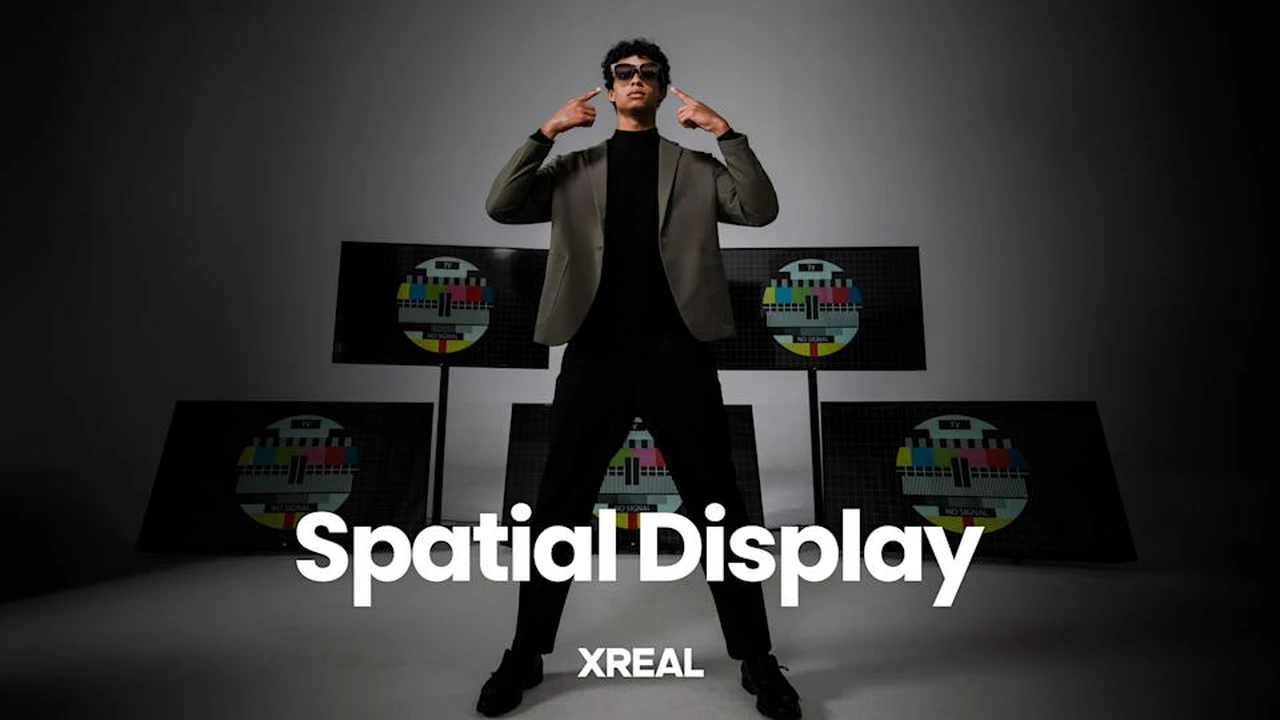
Once the design is finalized, the next monumental task is sourcing the myriad of components required. Smart glasses are a mosaic of specialized parts, often coming from different corners of the globe. This includes micro-displays from companies like Kopin or eMagin, tiny cameras from Sony or Omnivision, custom-designed chipsets from Qualcomm or MediaTek, various sensors (accelerometers, gyroscopes, magnetometers) from Bosch or STMicroelectronics, and specialized batteries from LG or Samsung. The frames themselves might be made from advanced plastics, carbon fiber, or even titanium, requiring specialized manufacturers. Managing this complex global supply chain is a logistical masterpiece, ensuring timely delivery of high-quality components while maintaining cost efficiency. Companies like Nreal, with their Nreal Air glasses, rely on a robust supply chain to deliver their consumer-focused AR glasses at a competitive price point.
Precision Manufacturing of Key Components Miniaturization at its Best
Many components within smart glasses require incredibly precise manufacturing processes. The micro-displays, for example, are fabricated in cleanroom environments using semiconductor manufacturing techniques. Lenses and optical elements demand high-precision grinding, polishing, and coating to ensure optimal light transmission and image quality. Printed Circuit Boards (PCBs) are miniaturized and often multi-layered, requiring advanced etching and soldering techniques. Even the tiny microphones and speakers need specialized manufacturing to fit within the slim frames while delivering clear audio. This is where the magic of miniaturization truly happens, allowing powerful technology to be packed into a wearable form. Consider the intricate optics in the Google Glass Enterprise Edition 2; its prism-based display requires extremely tight manufacturing tolerances.
Assembly and Integration Bringing It All Together
This is where all the individual components come together. The assembly process for smart glasses is often a combination of automated machinery and skilled manual labor, especially for the more delicate parts. Surface Mount Technology (SMT) is used to place tiny electronic components onto the PCBs. Robotic arms might handle the precise placement of optical modules and sensors. However, the final integration of the electronics into the frames, connecting flexible circuits, and ensuring proper alignment of the display often requires human dexterity and meticulous attention to detail. Quality control checks are integrated at every step of the assembly line to identify and rectify any defects early on. The assembly of a product like the Ray-Ban Stories, which blends traditional eyewear with smart features, involves careful integration of cameras and audio components into a familiar frame design.
Software Development and Firmware Flashing The Brains of the Operation
Hardware is only half the story; smart glasses need intelligent software to function. This phase involves developing the operating system, user interface, and specific applications that run on the glasses. Firmware, the low-level software that controls the hardware, is flashed onto the devices during or after assembly. This includes drivers for cameras, sensors, and displays, as well as the core operating system. Extensive testing is performed to ensure software stability, responsiveness, and compatibility with various applications. Over-the-air (OTA) update capabilities are also built in, allowing manufacturers to push software improvements and bug fixes to users post-purchase. The software development for devices like the Microsoft HoloLens 2 is incredibly complex, involving sophisticated mixed reality rendering engines and gesture recognition algorithms.
Quality Assurance and Testing Ensuring Performance and Durability
Before smart glasses leave the factory, they undergo rigorous quality assurance and testing. This includes functional testing to ensure all features work as intended (camera, audio, display, connectivity). Durability tests assess resistance to drops, impacts, water, and dust. Environmental testing checks performance under various temperature and humidity conditions. Optical calibration ensures the display is perfectly aligned and calibrated for optimal viewing. Battery life tests verify the device meets its advertised usage times. These tests are critical to ensure the product is reliable, safe, and meets the high standards expected by consumers and enterprise clients. For example, the Amazon Echo Frames would undergo extensive audio quality and microphone performance testing to ensure clear voice interactions.
Packaging and Distribution Ready for the Market
The final stage involves packaging the smart glasses and preparing them for distribution. This includes designing attractive and protective packaging, bundling accessories like charging cables and cases, and preparing user manuals. Logistics teams then manage the shipping and distribution to warehouses, retailers, and directly to consumers worldwide. This phase also involves compliance with international shipping regulations and customs requirements. The journey from concept to product is complete, and the smart glasses are now ready to reach the hands (and faces) of users.
Recommended Smart Glasses and Their Manufacturing Insights
1. Ray-Ban Stories
Price Range: $299 - $379
Use Case: Casual everyday wear, capturing photos and videos, listening to music/podcasts, making calls.
Manufacturing Insight: Ray-Ban Stories, a collaboration between Meta and Luxottica, emphasizes integrating technology seamlessly into a classic eyewear design. The manufacturing challenge here is to embed dual 5MP cameras, open-ear speakers, and a three-microphone array into traditional Ray-Ban frames (Wayfarer, Round, Meteor) without significantly altering their iconic look or feel. This requires extremely compact component design and precise assembly to maintain the aesthetic appeal and comfort. The optical quality of the lenses, provided by Luxottica, remains a key focus, alongside the integration of Meta's tech. The manufacturing process likely involves specialized tooling for the frame modifications and a highly automated assembly line for the electronic components, followed by meticulous manual integration and quality checks to ensure the final product feels like a pair of Ray-Bans first, and smart glasses second.
2. Amazon Echo Frames (3rd Gen)
Price Range: $269.99 - $289.99
Use Case: Hands-free Alexa access, audio streaming, calls, smart home control, notifications.
Manufacturing Insight: Amazon Echo Frames are designed to be lightweight and discreet, focusing primarily on audio and voice interaction rather than a visual display. The manufacturing process centers on integrating micro-speakers (open-ear audio), microphones, and a small battery into the temples of standard-looking glasses. The challenge is achieving clear audio output without disturbing those around the wearer, which involves precise speaker placement and acoustic design. The frames themselves are often made from durable, lightweight materials. The manufacturing line would focus on efficient assembly of these audio components and ensuring robust Bluetooth connectivity. Quality control would heavily emphasize microphone clarity for Alexa commands and speaker performance for audio playback. Their manufacturing prioritizes a 'normal glasses' feel with hidden smart capabilities.
3. Nreal Air
Price Range: $379 - $599 (depending on region and bundles)
Use Case: Portable large-screen viewing for movies, gaming, productivity (when connected to compatible devices), AR experiences.
Manufacturing Insight: Nreal Air's manufacturing is heavily focused on its micro-OLED display system. The core challenge is producing two high-resolution micro-OLED panels and integrating them with a complex optical system (birdbath optics) to project a large virtual screen into the user's field of view, all within a relatively compact and lightweight form factor. This requires extremely precise alignment of the display panels and lenses during assembly to ensure a clear, distortion-free image. The manufacturing process would involve advanced optical assembly techniques and rigorous calibration. The frames are designed to be comfortable for extended wear, often using lightweight plastics and adjustable nose pads. The tethered design (connecting to a phone or computer) simplifies the on-board electronics, allowing for a lighter and more streamlined manufacturing process compared to fully standalone AR glasses.
4. Vuzix Blade Upgraded Smart Glasses
Price Range: $999 - $1,299
Use Case: Enterprise applications, remote assistance, hands-free information access, barcode scanning, industrial use.
Manufacturing Insight: Vuzix Blade is built for enterprise and industrial environments, meaning its manufacturing process prioritizes durability, reliability, and specific functional requirements. The waveguide display technology, which projects information directly onto the lens, requires highly specialized optical manufacturing and precise integration. The frames are often more robust than consumer glasses, designed to withstand harsher conditions. The manufacturing process includes rigorous testing for environmental resistance (temperature, humidity, dust, water splashes) and impact resistance. The integration of a high-resolution camera, powerful processor, and enterprise-grade security features adds layers of complexity. Vuzix's manufacturing likely involves more specialized assembly lines and stricter quality control protocols to meet the demands of industrial clients, ensuring consistent performance in demanding work settings.
5. Google Glass Enterprise Edition 2
Price Range: $999 (often sold through partners, not direct to consumer)
Use Case: Industrial applications, logistics, manufacturing, healthcare, remote expert assistance, training.
Manufacturing Insight: Google Glass Enterprise Edition 2 is a prime example of a product designed purely for industrial use. Its manufacturing focuses on robustness, long-term reliability, and ease of integration into existing workflows. The optical system, which uses a prism to project the display, requires precise manufacturing and alignment. The device is built to be durable, often with a focus on modularity for easy repair or component replacement in an enterprise setting. The manufacturing process would involve stringent quality checks for industrial-grade components, ensuring the device can withstand continuous use in demanding environments. The emphasis is on functional performance and longevity rather than consumer aesthetics, leading to a manufacturing approach that prioritizes ruggedness and consistent operation.
The Future of Smart Glasses Manufacturing Automation and Sustainability
As smart glasses become more mainstream, the manufacturing processes will continue to evolve. We can expect increased automation in assembly lines, leveraging advanced robotics and AI-driven quality control systems to improve efficiency and reduce costs. Miniaturization will push further, allowing for even sleeker and more powerful devices. There will also be a growing emphasis on sustainable manufacturing practices, including the use of recycled materials, energy-efficient production methods, and designs that facilitate easier recycling of end-of-life products. The goal is to make smart glasses not just technologically advanced, but also environmentally responsible. The journey from concept to product is a continuous cycle of innovation, refinement, and adaptation, ensuring that the smart glasses of tomorrow are even more impressive than those we see today.
:max_bytes(150000):strip_icc()/277019-baked-pork-chops-with-cream-of-mushroom-soup-DDMFS-beauty-4x3-BG-7505-5762b731cf30447d9cbbbbbf387beafa.jpg)