Smart Glasses and Open Source Development Community Contributions
Explore the role of open-source development and community contributions in the smart glasses ecosystem.

Explore the role of open-source development and community contributions in the smart glasses ecosystem.
Smart Glasses and Open Source Development Community Contributions
The Open Source Revolution in Smart Glasses Technology
Hey there, tech enthusiasts! We're diving deep into something super exciting today: the world of open-source development and its massive impact on smart glasses. You might be wondering, what's the big deal with open source in a high-tech gadget like smart glasses? Well, it's a game-changer, fostering innovation, collaboration, and accessibility in ways proprietary systems just can't match. Think about it: when code is open, anyone can peek under the hood, suggest improvements, fix bugs, and even build entirely new functionalities. This collaborative spirit is what drives rapid evolution, making smart glasses smarter, more versatile, and ultimately, more user-friendly.
The smart glasses market is still relatively nascent compared to smartphones, but it's growing fast. This growth is fueled not just by big tech companies but increasingly by a vibrant community of developers, hobbyists, and researchers who are passionate about pushing the boundaries of what these devices can do. Open source provides the perfect playground for this kind of experimentation and collective intelligence. It democratizes development, meaning you don't need to be a giant corporation to contribute to the next big thing in wearable tech. This article will explore how open source is shaping the smart glasses landscape, highlight some key projects, discuss the benefits and challenges, and even recommend some open-source friendly smart glasses you might want to check out.
Why Open Source Matters for Smart Glasses Innovation
So, why is open source such a big deal for smart glasses? Let's break it down. First off, it accelerates innovation. When developers can access and modify the underlying software and even hardware designs, they can iterate much faster. This leads to quicker bug fixes, new features, and more diverse applications. Imagine a small team coming up with a brilliant idea for a medical application for smart glasses. With open-source tools and platforms, they can quickly prototype and test their concept without needing to license expensive proprietary software or hardware. This agility is crucial in a fast-evolving field like wearable technology.
Secondly, open source fosters a strong community. This isn't just about sharing code; it's about sharing knowledge, best practices, and support. Developers can learn from each other, collaborate on complex problems, and collectively raise the bar for what's possible. This community aspect is particularly valuable for smart glasses, which often require expertise across various domains, from optics and electronics to AI and user interface design. A thriving open-source community means more minds are working on solutions, leading to more robust and reliable products.
Thirdly, open source enhances transparency and security. When the code is open for inspection, it's easier to identify and address security vulnerabilities. This is a huge advantage, especially for devices that collect personal data or are used in sensitive environments. Users can have more confidence in the privacy and security of their smart glasses if they know the underlying software has been scrutinized by a wide community. Plus, it reduces vendor lock-in, giving users more control over their devices and the freedom to switch between different software implementations.
Key Open Source Projects and Platforms in Smart Glasses
While the smart glasses world might seem dominated by big names, there's a growing ecosystem of open-source projects making waves. These projects often focus on specific aspects, from operating systems to application frameworks and even hardware designs. Let's look at a few examples:
Open Source Smart Glasses Operating Systems and Frameworks
One of the most critical areas for open-source contributions is the operating system and core frameworks. Think of Android for smartphones – an open-source foundation that allows countless manufacturers and developers to build upon it. For smart glasses, projects like OpenGlass (a conceptual framework, not a specific product, often discussed in academic circles for open research) aim to provide a flexible base for developers. While a widely adopted, fully open-source smart glasses OS akin to Android isn't mainstream yet, many smart glasses leverage open-source components like Linux kernels or specific libraries, allowing for a degree of customization and community contribution.
Another notable mention is the work being done around WebXR. While not an OS itself, WebXR is an open standard that allows for immersive experiences (VR and AR) directly in web browsers. This means developers can create smart glasses applications using standard web technologies, making development more accessible and cross-platform. Many smart glasses are now supporting WebXR, opening up a vast new avenue for open-source web development.
Open Source Hardware Initiatives for Smart Glasses
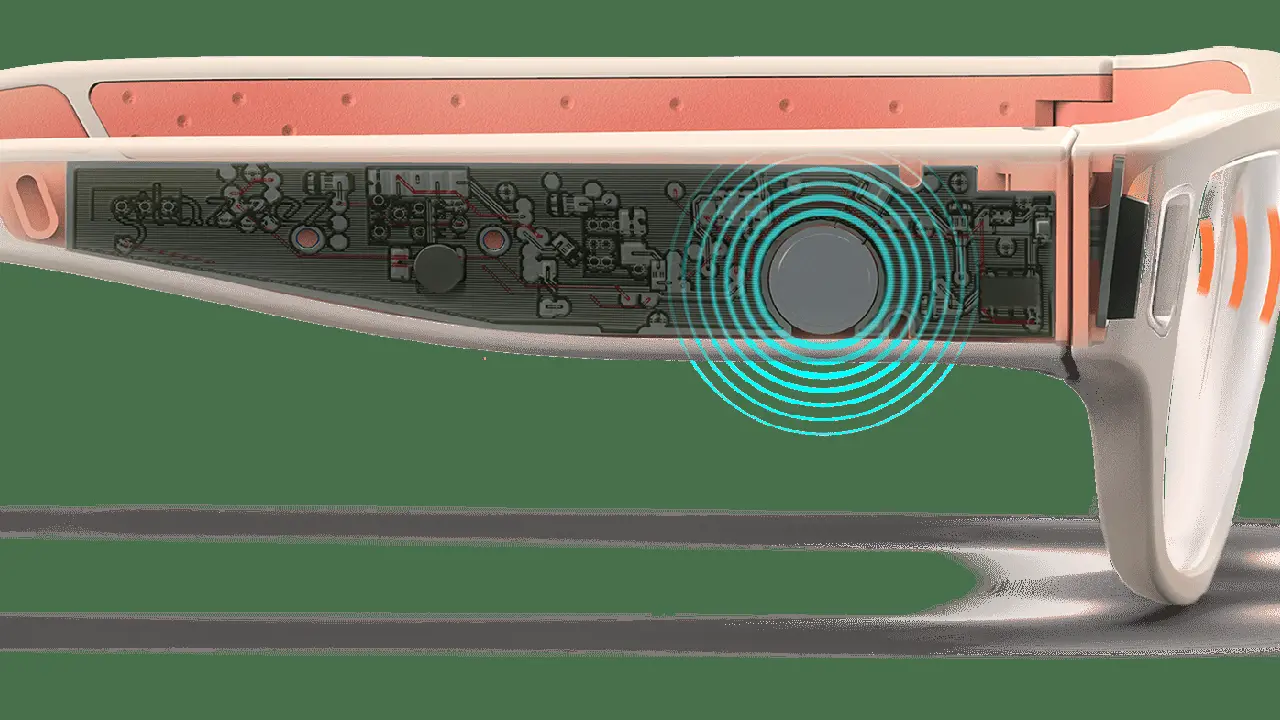
Beyond software, some ambitious projects are even tackling open-source hardware for smart glasses. The idea here is to provide schematics and designs that anyone can use, modify, and even manufacture. Projects like Open-Source AR Glasses (often found on platforms like GitHub or Hackaday, representing community efforts rather than commercial products) aim to demystify the hardware side of smart glasses. These initiatives often involve 3D printable components, off-the-shelf electronics, and detailed build guides. While these might not compete with commercial products in terms of polish, they are invaluable for researchers, educators, and hobbyists who want to understand the inner workings or experiment with new form factors.
For example, some university research groups have published open-source designs for low-cost AR headsets, allowing other institutions or individuals to replicate their work and build upon it. This accelerates research and development in the field, as everyone doesn't have to start from scratch. These projects often focus on specific functionalities, like eye-tracking modules or display integration, providing building blocks for more complex open-source smart glasses.
Open Source Application Development for Smart Glasses
This is where the real magic happens for many users. Developers are creating a plethora of open-source applications for smart glasses, ranging from productivity tools to entertainment and accessibility aids. For smart glasses that run on Android-based systems (like some Vuzix or Nreal models), the vast ecosystem of Android open-source apps can often be adapted. Additionally, specific communities are building apps tailored for the unique capabilities of smart glasses, such as:
- Augmented Reality Toolkits: Open-source AR libraries like ARCore (Google's AR platform, with open-source components) or A-Frame (a web framework for VR/AR) allow developers to easily create AR experiences for smart glasses.
- Accessibility Apps: Community-driven projects are developing open-source applications that leverage smart glasses for accessibility, such as real-time captioning for the hearing impaired or navigation aids for the visually impaired.
- Productivity Enhancements: Think open-source note-taking apps that project onto your field of view, or task management tools integrated with voice commands.
Benefits of Community Contributions to Smart Glasses
The benefits of open-source community contributions to smart glasses are multifaceted and far-reaching. Let's unpack some of the most significant ones:
Faster Development Cycles and Innovation
As mentioned, open source dramatically speeds up development. Instead of waiting for a single company to release updates or new features, a global community can contribute simultaneously. This means bugs are squashed faster, and innovative ideas are implemented more quickly. For smart glasses, where the technology is still evolving rapidly, this agility is a huge competitive advantage.
Increased Customization and Flexibility
With open-source software, users and developers have the freedom to customize their smart glasses to an unprecedented degree. Don't like a particular interface? Change it. Need a specific feature for your niche application? Build it. This level of flexibility ensures that smart glasses can adapt to a wider range of use cases and individual preferences, moving beyond a one-size-fits-all approach.
Enhanced Security and Transparency
The 'many eyes' principle of open source means that more people are reviewing the code, making it easier to spot and fix security vulnerabilities. This transparency builds trust, especially important for devices that are always on and potentially collecting sensitive data. Users can be more confident that their data is handled responsibly when the underlying software is open for inspection.
Lower Barrier to Entry for Developers and Researchers
Open-source tools and platforms significantly reduce the cost and complexity of developing for smart glasses. This democratizes access to the technology, allowing smaller teams, startups, and academic institutions to contribute without needing massive budgets for proprietary licenses. This leads to a more diverse range of applications and research, pushing the entire field forward.
Long-Term Support and Longevity
Proprietary products can sometimes be abandoned by their creators, leaving users without support or updates. Open-source projects, however, can often be maintained by the community even if the original developers move on. This ensures long-term support and longevity for the software, protecting users' investments in their smart glasses.
Challenges and Considerations for Open Source Smart Glasses
While the benefits are clear, it's also important to acknowledge the challenges that open-source smart glasses development faces:
Hardware Limitations and Proprietary Components
Even with open-source software, smart glasses still rely on complex hardware, much of which remains proprietary. Displays, custom optics, and specialized sensors are often manufactured by a few companies and aren't open source. This can limit the extent to which a smart glass device can be truly 'open,' as developers might still be constrained by the underlying hardware capabilities and drivers.
Fragmented Ecosystem and Standardization
The open-source smart glasses ecosystem can sometimes be fragmented, with many different projects and approaches. This can make it challenging to achieve widespread standardization, which is crucial for interoperability and ease of development. Establishing common APIs and frameworks is an ongoing effort.
Funding and Sustainability for Open Source Projects
Many open-source projects rely on volunteer contributions or limited funding. Ensuring the long-term sustainability of these projects can be a challenge, especially for complex hardware and software initiatives that require significant resources. Finding sustainable funding models, whether through grants, donations, or commercial support, is key.
User Experience and Polish
While open-source projects excel in innovation and flexibility, they sometimes lack the polished user experience of commercially developed products. This is often due to limited resources for extensive UI/UX design and testing. Bridging this gap requires dedicated effort from the community.
Recommended Open Source Friendly Smart Glasses and Platforms
If you're keen to dive into the world of open-source smart glasses, here are a few options and platforms that are more amenable to community contributions and open development:
1. Nreal Air / Nreal Light (now XREAL)
While Nreal (now XREAL) smart glasses are commercial products, they run on Android, which is an open-source operating system. This means developers can create and sideload Android applications, and there's a growing community building tools and apps for these devices. They offer a relatively accessible entry point for AR development. The Nreal Light, in particular, has a strong developer community. You can find them for around $500-$600 USD, depending on the model and region. They are great for media consumption, light productivity, and AR app development.
2. Vuzix Smart Glasses (e.g., Vuzix Blade, Vuzix M400)
Vuzix smart glasses are primarily aimed at enterprise users, but they also run on Android and offer robust SDKs (Software Development Kits) that allow for significant customization. While not fully open-source hardware, their software platform is very developer-friendly, and many companies and individual developers contribute to applications for these devices. They are more expensive, typically ranging from $1000 to $2000 USD, but offer industrial-grade durability and features. Use cases include remote assistance, logistics, and manufacturing.
3. DIY and Research Platforms (e.g., Raspberry Pi based AR projects)
For the truly adventurous, building your own open-source smart glasses using platforms like Raspberry Pi or Arduino is an option. These projects often involve 3D printing frames, integrating micro-displays, and writing custom software. While these won't compete with commercial products in terms of sleekness or advanced features, they offer the ultimate in open-source control and learning. You can find numerous guides and projects on platforms like Hackaday.io or GitHub. The cost can vary wildly, from a few hundred dollars to over a thousand, depending on the components you choose. These are ideal for educational purposes, research, and hobbyists who want to understand every component.
4. WebXR Compatible Smart Glasses
Any smart glasses that support WebXR (like some newer models from various manufacturers) are inherently open-source friendly on the application layer. Since WebXR is an open standard, developers can create immersive web experiences that run on these devices using standard web technologies (HTML, CSS, JavaScript). This lowers the barrier to entry for web developers to create smart glasses content. Check the specifications of newer smart glasses models for WebXR compatibility. Prices vary widely based on the specific smart glasses model.
The Future is Open: Community-Driven Smart Glasses
The trajectory of smart glasses development is increasingly pointing towards a more open and collaborative future. As the technology matures, the role of open-source development and community contributions will only grow. We're likely to see more standardized open platforms, more accessible hardware designs, and a richer ecosystem of applications driven by passionate individuals and teams worldwide.
This collaborative approach ensures that smart glasses evolve in ways that truly benefit users, addressing diverse needs and fostering innovation that might not emerge from closed, proprietary systems alone. So, whether you're a developer, a researcher, or just a curious user, keep an eye on the open-source smart glasses space – it's where some of the most exciting advancements are happening!
:max_bytes(150000):strip_icc()/277019-baked-pork-chops-with-cream-of-mushroom-soup-DDMFS-beauty-4x3-BG-7505-5762b731cf30447d9cbbbbbf387beafa.jpg)