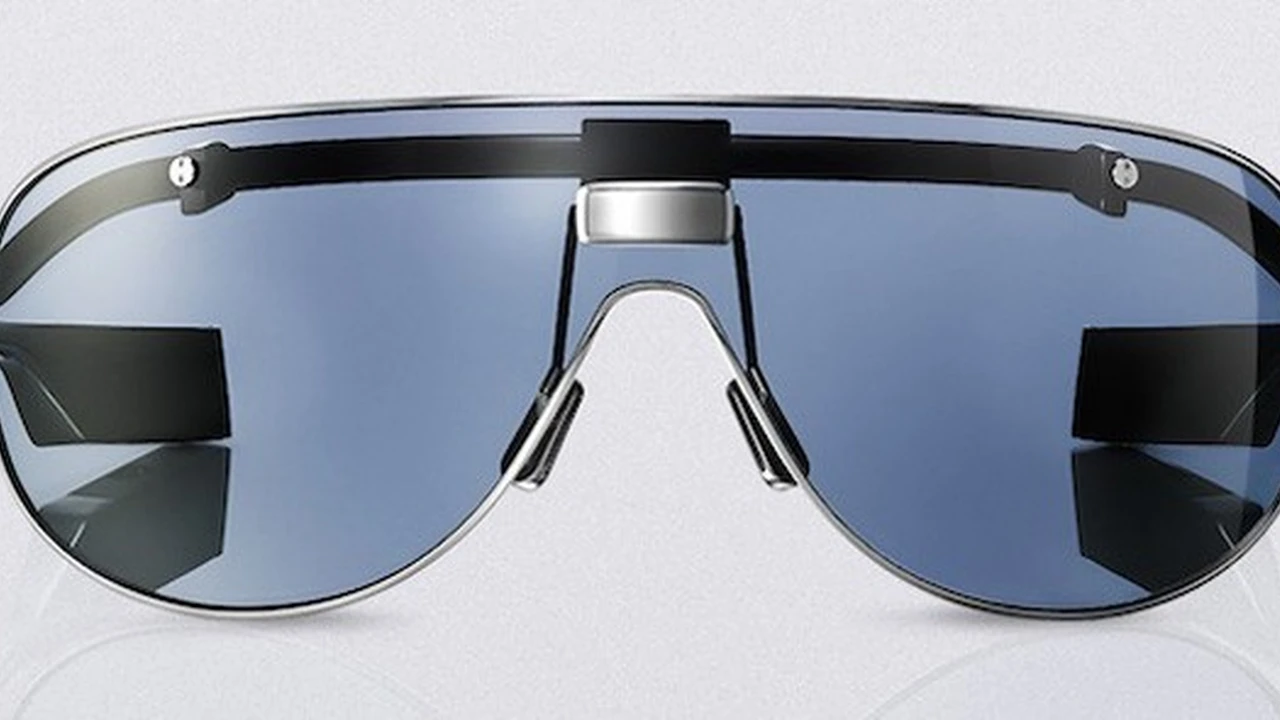
The Role of Artificial Intelligence in Smart Glasses
Discover how 5G connectivity will revolutionize smart glasses, enabling faster data and new applications.
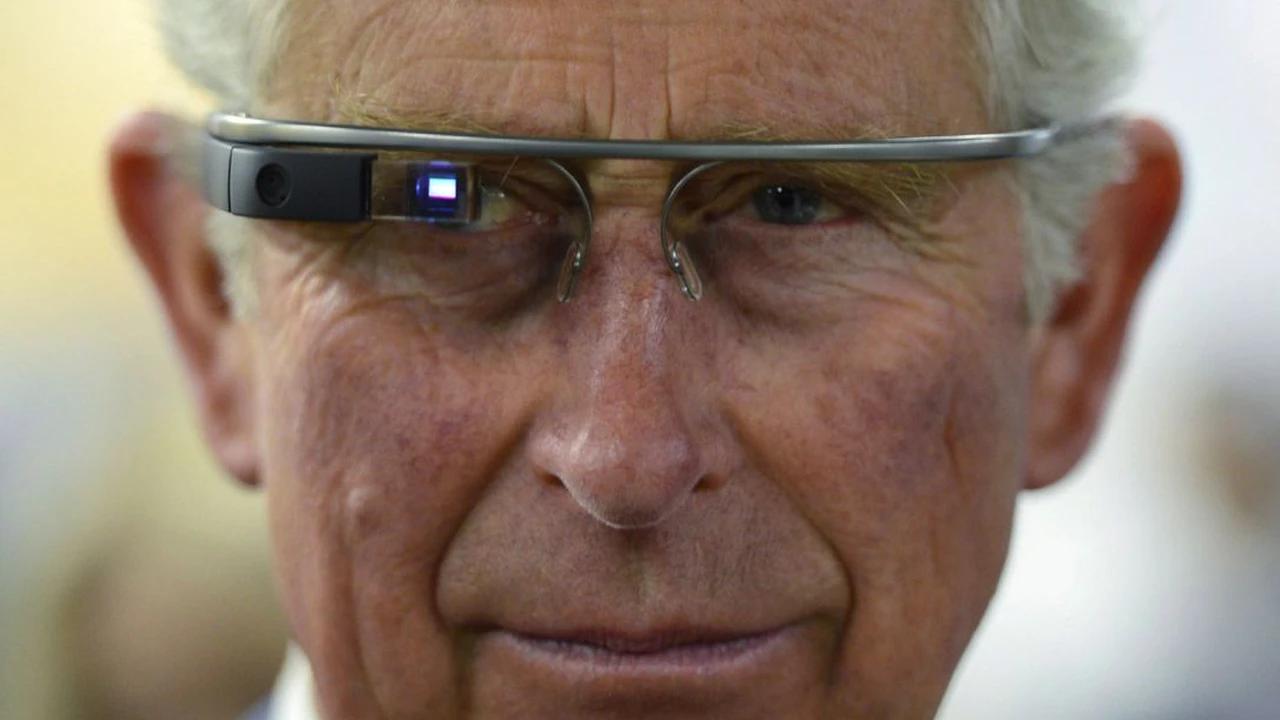
Discover how 5G connectivity will revolutionize smart glasses, enabling faster data and new applications.
Smart Glasses and 5G Connectivity The Next Frontier
Hey there, tech enthusiasts! Ever wondered what’s next for smart glasses? We’re talking about those sleek, futuristic spectacles that promise to blend the digital world with our everyday lives. Well, buckle up, because 5G connectivity is about to take them to a whole new level. It’s not just about faster internet on your phone anymore; 5G is poised to unlock unprecedented capabilities for smart glasses, transforming how we interact with information, entertainment, and each other. This isn't just an upgrade; it's a revolution in the making, promising to make smart glasses truly smart, truly connected, and truly indispensable.
The Need for Speed Why 5G Matters for Smart Glasses
So, why is 5G such a big deal for smart glasses? Think about it: current smart glasses, while impressive, often rely on Wi-Fi or tethering to a smartphone for robust connectivity. This can lead to latency issues, slower data transfer, and a less seamless experience. Imagine trying to stream high-definition augmented reality content, participate in a real-time holographic meeting, or access cloud-based AI processing with a sluggish connection. It just wouldn't work. That's where 5G steps in, offering three game-changing advantages: incredibly high bandwidth, ultra-low latency, and massive connectivity. These aren't just buzzwords; they are the foundational pillars that will enable smart glasses to reach their full potential. Without 5G, many of the truly transformative applications we envision for smart glasses would remain firmly in the realm of science fiction. It's the difference between a clunky, experimental device and a truly integrated, responsive, and powerful personal computing platform that you wear on your face. The sheer volume of data that smart glasses will need to process and transmit, especially with advanced AR and AI features, simply demands the robust infrastructure that only 5G can provide. We're talking about real-time rendering of complex 3D models, instantaneous access to vast cloud databases, and seamless communication with other connected devices – all happening simultaneously and without a hitch. This level of performance is simply unattainable with previous generations of wireless technology. Furthermore, the ability to connect a massive number of devices simultaneously without performance degradation is crucial for the widespread adoption of smart glasses in various environments, from smart cities to industrial complexes. It's not just about one pair of glasses; it's about an ecosystem of interconnected devices working in harmony.
Unlocking New Applications Real World Smart Glasses Use Cases with 5G
With 5G in the picture, the possibilities for smart glasses explode. Let's dive into some exciting real-world applications that were previously just dreams:
Enhanced Augmented Reality Smart Glasses for Immersive Experiences
Imagine walking down a street and seeing real-time information overlaid on buildings, historical facts popping up as you look at landmarks, or interactive 3D models appearing right in front of you. With 5G's low latency and high bandwidth, smart glasses can render complex AR environments instantly, making the experience truly immersive and indistinguishable from reality. This isn't just about simple overlays; it's about dynamic, interactive digital content that responds to your movements and environment in real-time. Think about architects visualizing building designs on-site, surgeons practicing complex procedures with holographic models, or even just navigating a new city with dynamic, context-aware directions appearing directly in your field of view. The current limitations of AR, such as lag and limited graphical fidelity, will largely disappear with 5G, allowing for truly groundbreaking applications in education, entertainment, and professional fields. For instance, in education, students could dissect virtual frogs in biology class, or explore ancient ruins as if they were actually there. In entertainment, imagine attending a virtual concert where the performers are holographically projected into your living room, or playing a game where the entire world becomes your battlefield. The ability to stream high-fidelity 3D content and interact with it seamlessly will redefine what's possible with augmented reality. Companies like Magic Leap and Microsoft HoloLens are already pushing the boundaries of AR, and 5G will be the accelerant for their next generation of devices. While these devices are currently more enterprise-focused, the underlying technology, powered by 5G, will eventually trickle down to consumer-grade smart glasses, making these immersive experiences accessible to everyone. The sheer volume of data required to render and update these complex AR environments in real-time is immense, and 5G is the only technology capable of handling it efficiently. This means less buffering, smoother animations, and a more believable integration of digital content into the physical world. Furthermore, the ability to offload heavy processing to the cloud via 5G will allow smart glasses to be lighter and more comfortable, as they won't need to house powerful, heat-generating processors on board. This distributed computing model is a key enabler for the next generation of truly wearable AR devices.
Real Time Collaboration Smart Glasses for Remote Work and Training
For professionals, 5G-enabled smart glasses will revolutionize remote collaboration. Field technicians can receive real-time visual guidance from experts thousands of miles away, with annotations and instructions appearing directly in their line of sight. Doctors can consult with specialists during surgery, sharing live video feeds and patient data without any lag. This isn't just about video calls; it's about shared augmented reality spaces where multiple users can interact with the same digital objects simultaneously, regardless of their physical location. Imagine a team of engineers collaborating on a complex machine design, with each member seeing the same holographic model and making real-time adjustments. This level of seamless interaction is critical for industries like manufacturing, healthcare, and engineering, where precision and immediate feedback are paramount. Companies like Vuzix and RealWear are already making strides in this area with their enterprise-focused smart glasses, and 5G will only amplify their capabilities. The ability to transmit high-resolution video and complex 3D data with ultra-low latency means that remote assistance becomes truly effective, reducing downtime and improving efficiency. This also opens up new avenues for training, allowing employees to learn complex tasks by following holographic instructions or interacting with virtual simulations. The cost savings and efficiency gains from such applications are enormous, making 5G-enabled smart glasses a compelling investment for businesses looking to optimize their operations and empower their workforce. The security of these real-time data streams is also paramount, and 5G's enhanced security features will be crucial for protecting sensitive information during collaborative sessions. This ensures that confidential designs, patient data, or proprietary information remains secure while being shared and manipulated in a collaborative AR environment. The ability to conduct these high-stakes collaborations without physical proximity will redefine global teamwork and expertise sharing.
Cloud Powered AI Smart Glasses for Intelligent Assistance
Smart glasses are already incorporating AI for features like voice assistants and object recognition. But with 5G, the processing power of the cloud becomes instantly accessible. This means smart glasses can tap into vast AI models for incredibly sophisticated tasks: real-time language translation with contextual understanding, advanced facial recognition for security or social interactions (with appropriate privacy safeguards, of course), or even complex data analysis on the fly. Imagine a tourist wearing smart glasses that translate street signs and conversations in real-time, or a retail assistant instantly identifying products and providing detailed information to customers. The heavy computational load for these AI tasks can be offloaded to powerful cloud servers, allowing the smart glasses themselves to remain lightweight and energy-efficient. This distributed intelligence model is a game-changer, as it means your smart glasses aren't limited by their on-board processing power but can leverage the immense capabilities of cloud AI. This will lead to truly intelligent personal assistants that can anticipate your needs, provide proactive information, and seamlessly integrate into your daily life. Companies like Google (with its ongoing research into smart glasses) and Meta (with its focus on the metaverse) are heavily investing in cloud-powered AI for their future wearable devices, and 5G is the essential backbone for this vision. The ability to access and process massive datasets in real-time will enable smart glasses to offer personalized experiences that adapt to individual users and their environments. This could include personalized health monitoring, adaptive learning experiences, or even proactive safety alerts based on real-time environmental data. The potential for these intelligent assistants to enhance our lives is immense, making everyday tasks easier and providing access to information and insights previously unimaginable. The low latency of 5G is particularly critical here, as it ensures that AI responses are instantaneous, making the interaction feel natural and seamless rather than clunky or delayed. This responsiveness is key to user adoption and satisfaction with AI-powered smart glasses.
Seamless Connectivity Smart Glasses for Ubiquitous Access
One of the biggest frustrations with current smart devices is the constant need to switch between Wi-Fi and cellular, or to worry about dead zones. 5G promises ubiquitous, high-speed connectivity, meaning your smart glasses will always be connected, no matter where you are. This enables continuous access to cloud services, real-time updates, and seamless communication without interruption. Think about navigating a crowded city, attending a virtual meeting on the go, or streaming high-quality content without ever losing connection. This always-on, always-fast connectivity is crucial for making smart glasses a truly integrated part of our digital lives, rather than just another gadget that needs constant attention to its network status. It means less friction, more spontaneity, and a truly liberating experience. This seamless connectivity also extends to device-to-device communication, allowing smart glasses to interact directly with other IoT devices in your home, office, or public spaces. Imagine your smart glasses automatically connecting to smart home devices, controlling lights, or accessing security cameras with a glance. This level of integration creates a truly smart environment where your wearable device acts as a central hub for all your connected technologies. The reliability and consistency of 5G will be key to building trust in these interconnected systems, ensuring that your smart glasses are always ready to perform their functions without interruption. This ubiquitous access will also be critical for emergency services and public safety, allowing first responders to maintain constant communication and access vital information in critical situations. The ability to rely on a consistent, high-speed connection in any environment will be a significant advantage for smart glasses in a wide range of professional and personal use cases.
Current Smart Glasses and Their 5G Potential
While fully 5G-integrated smart glasses are still emerging, several existing models are well-positioned to benefit from 5G's rollout or are already hinting at future 5G capabilities. Let's look at a few and discuss their potential:
Microsoft HoloLens 2 Enterprise Ready Smart Glasses
The Microsoft HoloLens 2 is a prime example of an enterprise-grade mixed reality headset that would immensely benefit from 5G. Currently, it relies on Wi-Fi for connectivity, which can limit its use in large industrial settings or remote field operations where Wi-Fi might be spotty or unavailable. With 5G, HoloLens 2 could achieve truly untethered, real-time collaboration in any environment. Imagine a construction site where engineers can access and manipulate complex 3D blueprints in real-time, receiving updates from a central office via 5G, without any lag. Or a factory floor where technicians can get live holographic instructions for repairs, streamed directly from a cloud server. The low latency of 5G would make the holographic interactions even more responsive and realistic, enhancing the sense of presence and collaboration. Its current price point is around $3,500 USD, targeting businesses and developers. The integration of 5G would justify this cost even further by expanding its operational capabilities significantly. The ability to offload heavy rendering and AI processing to edge computing or cloud servers via 5G would also potentially allow for future, lighter versions of the HoloLens, making it more comfortable for extended wear. This would be a significant step towards making such powerful mixed reality experiences more accessible and practical for a wider range of industrial and professional applications. The robust security features of 5G networks would also be crucial for protecting the sensitive data often handled in enterprise environments, ensuring that proprietary designs or confidential information remain secure during collaborative sessions.
Nreal Air Smart Glasses Consumer Focused AR
The Nreal Air smart glasses are more consumer-oriented, designed primarily for media consumption and light AR experiences, often tethered to a smartphone. While they don't have built-in 5G, their reliance on a smartphone for processing and connectivity means they are inherently ready to leverage the smartphone's 5G connection. When paired with a 5G-enabled phone, Nreal Air can stream high-definition video, play cloud-based games, and access AR applications with minimal latency. The benefit here is that the glasses themselves can remain lightweight and affordable (around $379 USD), offloading the heavy lifting to the phone. With 5G, users could stream 4K movies directly to their Nreal Air glasses from cloud services, or engage in cloud-gaming experiences with virtually no input lag. Imagine watching a football game on a massive virtual screen while commuting, or playing a graphically intensive game streamed from a server, all powered by your phone's 5G connection. The low latency of 5G would also enhance the responsiveness of AR applications, making interactions feel more natural. While not directly 5G-enabled, their symbiotic relationship with 5G smartphones makes them a strong contender for delivering next-generation mobile AR experiences. This approach also allows for faster iteration on the glasses themselves, as they don't need to integrate complex 5G modems, relying instead on the rapid advancements in smartphone technology. The Nreal Air's focus on portability and media consumption makes it an ideal candidate for showcasing the immediate benefits of 5G for consumer smart glasses, particularly for entertainment and casual AR use cases. The ability to stream high-quality content without buffering, even in crowded areas, will significantly improve the user experience and make these glasses a more compelling alternative to traditional screens.
Vuzix Smart Glasses Industrial and Enterprise Solutions
Vuzix offers a range of smart glasses, like the Vuzix M400 and M4000, primarily for industrial and enterprise use cases. These devices are rugged, designed for hands-free operation, and often used for remote assistance, workflow instructions, and data collection. While many Vuzix models currently rely on Wi-Fi or tethering, the company is actively exploring and integrating 5G capabilities into their newer prototypes and models. The benefits of 5G for Vuzix glasses are immense: enabling real-time, high-definition video streaming for remote experts, faster data uploads from the field, and more reliable connectivity in challenging industrial environments. Imagine a technician in a remote oil rig receiving live, high-resolution video instructions from an expert in a control room, with no dropped frames or lag, thanks to 5G. This significantly reduces downtime and improves safety. Vuzix smart glasses typically range from $1,500 to $2,500 USD, reflecting their specialized enterprise focus. The integration of 5G will further solidify their position as essential tools for industries requiring robust, always-on connectivity for critical operations. The ability to leverage edge computing via 5G will also allow for more complex on-device AI processing without sacrificing battery life or adding bulk. This means Vuzix glasses could perform more sophisticated object recognition, predictive maintenance, or quality control checks in real-time, directly on the factory floor. The enhanced security features of 5G networks are also a major advantage for industrial applications, protecting sensitive operational data from cyber threats. This makes Vuzix smart glasses, powered by 5G, an even more compelling solution for digital transformation in manufacturing, logistics, and field services.
Ray-Ban Stories Lifestyle Smart Glasses
The Ray-Ban Stories, a collaboration between Meta and EssilorLuxottica, are more about capturing moments and listening to audio than advanced AR. They feature cameras and speakers, allowing users to take photos and videos, make calls, and listen to music. While they connect to a smartphone via Bluetooth, the potential for 5G integration lies in their future iterations. Imagine a version of Ray-Ban Stories that can live-stream high-quality video directly to social media platforms via 5G, without needing to offload to a phone first. Or perhaps, in the future, they could support light AR overlays for navigation or notifications, leveraging the phone's 5G connection for real-time data. Their current price is around $299 USD, making them a more accessible entry point into smart eyewear. While not a direct 5G device, their evolution will undoubtedly be influenced by the increasing prevalence and capabilities of 5G networks, especially as Meta pushes its metaverse vision. The ability to quickly upload high-resolution photos and videos to the cloud, or to participate in high-quality audio calls even in crowded environments, would be significantly enhanced by 5G. This would make the Ray-Ban Stories a more seamless and powerful tool for content creation and communication, further blurring the lines between physical and digital experiences. The low latency of 5G could also enable more responsive voice commands and faster access to cloud-based AI features, making the glasses feel more intuitive and intelligent. As consumer expectations for always-on connectivity grow, future iterations of lifestyle smart glasses like Ray-Ban Stories will increasingly rely on 5G to deliver a truly seamless and integrated user experience.
Challenges and Considerations for 5G Smart Glasses Adoption
While the future of 5G-enabled smart glasses looks incredibly bright, there are still some hurdles to overcome before they become mainstream. It's not just about the tech; it's about infrastructure, user acceptance, and ethical considerations.
Infrastructure Rollout 5G Network Availability
The biggest challenge is the widespread availability of robust 5G networks. While 5G is expanding rapidly, true ubiquitous coverage, especially with the high-band millimeter-wave (mmWave) spectrum that offers the fastest speeds and lowest latency, is still a work in progress. Many areas, particularly in rural regions or even dense urban environments with signal penetration issues, still lack comprehensive 5G coverage. For smart glasses to truly deliver on their promise of always-on, real-time experiences, a reliable 5G connection needs to be available almost everywhere. This requires significant investment from telecommunication companies in building out the necessary infrastructure, including more small cells and fiber optic backbones. Until 5G becomes as pervasive as 4G LTE, smart glasses will still face connectivity limitations in many scenarios, hindering their full potential. The cost of deploying this infrastructure is immense, and it will take time to achieve the kind of widespread coverage that will truly unlock the potential of 5G-powered smart glasses. Furthermore, different regions and countries have varying levels of 5G deployment, which will impact the global adoption rate of these devices. The fragmented nature of 5G rollout means that the full benefits of 5G-enabled smart glasses will not be realized uniformly across all markets simultaneously. This also impacts the development cycle for smart glasses manufacturers, as they need to design devices that can gracefully handle varying levels of connectivity, from no signal to full mmWave 5G. The transition period will require smart glasses to be adaptable and capable of leveraging whatever network is available, even if it means a degraded experience compared to optimal 5G conditions.
Battery Life Smart Glasses Power Consumption
5G modems, especially those supporting mmWave, can be power-hungry. Integrating 5G into already compact smart glasses without significantly increasing their size or compromising battery life is a major engineering challenge. While offloading processing to the cloud helps, the constant data transmission over 5G still consumes considerable power. Manufacturers are working on more energy-efficient 5G chipsets and innovative battery technologies, but achieving all-day battery life with full 5G functionality remains a key hurdle. Users expect their smart glasses to last as long as their smartphones, if not longer, and current battery technology often falls short when pushing the limits of 5G connectivity. This is a critical factor for consumer adoption, as no one wants to constantly worry about their smart glasses dying in the middle of an important task or an immersive experience. The balance between performance, form factor, and battery life is a delicate one, and it will require continuous innovation in both chip design and battery chemistry to meet user expectations. Furthermore, the heat generated by 5G modems in such a small form factor is another design challenge, requiring efficient thermal management solutions to ensure user comfort and device longevity. This is an area where significant research and development are still needed to make 5G-enabled smart glasses truly practical for everyday wear. The integration of more efficient power management systems and potentially even alternative power sources, such as solar charging or kinetic energy harvesting, could play a role in addressing this challenge in the long term. The goal is to make smart glasses as unobtrusive and self-sufficient as possible, and battery life is a major component of that user experience.
Privacy and Security Smart Glasses Data Protection
With smart glasses constantly connected and potentially capturing vast amounts of data (video, audio, location, biometric data), privacy and security concerns are paramount. 5G's enhanced security features are a step in the right direction, but robust encryption, clear data usage policies, and user control over their data will be essential for building trust. The public needs to feel confident that their personal information is protected and not being misused. This includes concerns about 'always-on' cameras, facial recognition, and the potential for surveillance. Manufacturers and regulators will need to work together to establish clear guidelines and best practices for data collection, storage, and usage by smart glasses. Transparency about what data is being collected and how it's being used will be crucial for user acceptance. The potential for smart glasses to become a tool for pervasive surveillance, either by governments or corporations, is a significant ethical concern that needs to be addressed proactively. This includes developing robust opt-in/opt-out mechanisms for data sharing, clear visual indicators when recording is active, and strong legal frameworks to protect individual privacy rights. The industry must prioritize privacy by design, embedding safeguards into the very architecture of smart glasses and their associated services. Without addressing these concerns head-on, widespread adoption of smart glasses could be hampered by public distrust and regulatory backlash. The balance between functionality and privacy will be a continuous challenge, requiring ongoing dialogue and innovation to ensure that smart glasses enhance our lives without compromising our fundamental rights.
User Acceptance and Social Norms Smart Glasses Integration
Beyond the technical aspects, there's the social acceptance factor. Will people feel comfortable wearing smart glasses in public? Will others feel comfortable being around someone wearing them, especially with cameras and microphones potentially recording? The 'Glasshole' phenomenon from the early Google Glass days highlighted these social anxieties. For smart glasses to truly go mainstream, they need to become socially acceptable and integrate seamlessly into our daily lives without causing discomfort or suspicion. This will involve sleek, fashionable designs that don't scream 'tech gadget,' as well as clear communication about their capabilities and limitations. The industry needs to learn from past mistakes and focus on building trust and demonstrating the clear benefits of smart glasses in a way that resonates with the general public. This includes educating users and the public about how these devices work, what data they collect, and how privacy is protected. The design evolution of smart glasses, moving towards more conventional eyewear aesthetics, is a positive step in this direction. However, the underlying social norms around wearable technology, particularly those with recording capabilities, will continue to evolve and require careful navigation. Public perception and media representation will play a significant role in shaping how smart glasses are viewed and accepted in society. The goal is to make smart glasses as unremarkable and ubiquitous as smartphones are today, a natural extension of our digital selves rather than a conspicuous piece of technology. This will require a concerted effort from manufacturers, developers, and even content creators to showcase the positive and beneficial aspects of smart glasses in everyday life, fostering a sense of familiarity and acceptance.
The Road Ahead The Future of 5G Smart Glasses
Despite the challenges, the trajectory for 5G-enabled smart glasses is clear: they are poised to become the next major computing platform. As 5G networks mature and smart glass technology becomes more refined, we can expect to see a rapid acceleration in their capabilities and adoption. Imagine a future where your smart glasses are your primary interface to the digital world, seamlessly blending information with your physical surroundings. They could replace smartphones, laptops, and even TVs for many tasks, offering a truly personalized and immersive computing experience that is always with you. The convergence of advanced display technologies, powerful AI, and ubiquitous 5G connectivity will create a new paradigm for human-computer interaction. We're talking about a future where information is always at your fingertips, communication is more natural and immersive, and the digital world enhances, rather than distracts from, your real-world experiences. The journey will be iterative, with continuous improvements in design, battery life, and application ecosystems. But one thing is certain: 5G is the key that will unlock the true potential of smart glasses, transforming them from niche gadgets into indispensable tools that redefine how we live, work, and play. The next decade will be fascinating as we witness this transformation unfold, bringing us closer to a truly augmented reality where the lines between the physical and digital worlds become increasingly blurred. This isn't just about a new product category; it's about a fundamental shift in how we interact with technology and perceive our reality. The implications for industries, education, healthcare, and personal lives are profound, promising a future that is more connected, more informed, and more intelligent than ever before. Get ready for the next frontier of personal computing – it's coming to a pair of glasses near you.
:max_bytes(150000):strip_icc()/277019-baked-pork-chops-with-cream-of-mushroom-soup-DDMFS-beauty-4x3-BG-7505-5762b731cf30447d9cbbbbbf387beafa.jpg)