The 5 Most Comfortable Smart Glasses to Wear All Day
Find out which 5 smart glasses offer unparalleled comfort, perfect for extended wear without strain.

Find out which 5 smart glasses offer unparalleled comfort, perfect for extended wear without strain.
The 5 Most Comfortable Smart Glasses to Wear All Day
Understanding Smart Glasses Comfort and Ergonomics
When it comes to smart glasses, comfort isn't just a luxury; it's a necessity. Unlike traditional eyewear, smart glasses often pack a significant amount of technology into a small frame, which can lead to issues like weight distribution, pressure points, and overall wearability. For anyone considering integrating smart glasses into their daily routine, whether for work, entertainment, or staying connected, the ability to wear them for extended periods without discomfort is paramount. This article dives deep into what makes smart glasses comfortable, highlighting key design elements and materials that contribute to a superior wearing experience. We'll explore how factors like weight, balance, nose pad design, temple arm pressure, and even heat dissipation play a crucial role in determining how long you can comfortably keep your smart glasses on. We'll also discuss the importance of a good fit, as a poorly fitting pair of smart glasses can quickly become a nuisance, regardless of its technological prowess. Our goal is to guide you through the nuances of smart glasses comfort, helping you identify the features that matter most for all-day wear. We'll look at innovative solutions from various manufacturers who have prioritized user comfort, understanding that the best smart glasses are the ones you forget you're even wearing. From flexible frames to adjustable components, the evolution of smart glasses design is increasingly focused on ergonomic excellence. This section will lay the groundwork for understanding why certain models stand out in terms of comfort, setting the stage for our top 5 recommendations.
Top 5 Smart Glasses for All Day Comfort and Wearability
After extensive research and user feedback analysis, we've identified five smart glasses that truly excel in providing unparalleled comfort for all-day wear. These models have been praised for their lightweight design, balanced weight distribution, and thoughtful ergonomic features. Each offers a unique blend of technology and wearability, making them suitable for various users and use cases.
1. Ray-Ban Stories Lightweight Design and Familiar Feel
Product Overview: Ray-Ban Stories, a collaboration between Ray-Ban and Meta, are designed to look and feel like traditional Ray-Ban sunglasses. They integrate discreet cameras, open-ear speakers, and microphones for capturing photos and videos, listening to audio, and making calls. Their primary appeal lies in their familiar aesthetic and lightweight construction, making them incredibly easy to wear for extended periods.
Comfort Features: The comfort of Ray-Ban Stories stems from their classic design. They are remarkably light, weighing around 49-50 grams, which is comparable to many regular sunglasses. The weight is evenly distributed across the frame, preventing pressure points on the nose or ears. The temple arms are designed to sit comfortably without excessive clamping force, and the nose pads are integrated seamlessly into the frame, avoiding the common discomfort associated with adjustable pads. They come in various iconic Ray-Ban styles like Wayfarer, Round, and Meteor, ensuring a fit that many users are already accustomed to.
Use Cases: Ideal for casual everyday use, social media enthusiasts, and those who want to discreetly capture moments without pulling out their phone. Perfect for walks, social gatherings, and light outdoor activities.
Pricing: Starting around $299 USD. Prices may vary based on style and lens options.
Comparison: Compared to bulkier smart glasses, Ray-Ban Stories prioritize form factor and comfort above advanced AR features. They are less about immersive digital overlays and more about seamless integration of basic smart features into a stylish, comfortable frame. Their comfort level is arguably unmatched for their feature set due to their minimalist approach.
2. Amazon Echo Frames 3rd Gen Open Ear Audio and Flexible Fit
Product Overview: Amazon Echo Frames are smart audio glasses that bring Alexa directly to your ears. They feature open-ear audio technology, allowing you to hear your surroundings while listening to music, podcasts, or making calls. The 3rd generation has improved battery life and sound quality, all while maintaining a focus on comfort.
Comfort Features: Echo Frames are designed with flexibility and lightness in mind. They weigh approximately 31 grams, making them one of the lightest options available. The frame material is durable and flexible, allowing for a comfortable fit on various head sizes without feeling too tight. The open-ear audio design means no earbuds are inserted into your ear canal, eliminating inner ear fatigue. The nose pads are soft and designed to distribute weight effectively. They also offer prescription lens compatibility, allowing users to integrate their vision correction without adding bulk or discomfort.
Use Cases: Excellent for hands-free communication, listening to audio on the go, and quick access to Alexa for information or smart home control. Great for commuters, busy professionals, and anyone who prefers open-ear audio for situational awareness.
Pricing: Starting around $269.99 USD. Prices may vary based on style and lens options.
Comparison: Echo Frames excel in audio comfort due to their open-ear design, which is a significant advantage over in-ear solutions. They are lighter than Ray-Ban Stories, offering a slightly different comfort profile that emphasizes minimal pressure and awareness of surroundings. They lack cameras, focusing purely on audio and voice assistant integration.
3. Bose Frames Audio Sunglasses Immersive Sound and Ergonomic Design
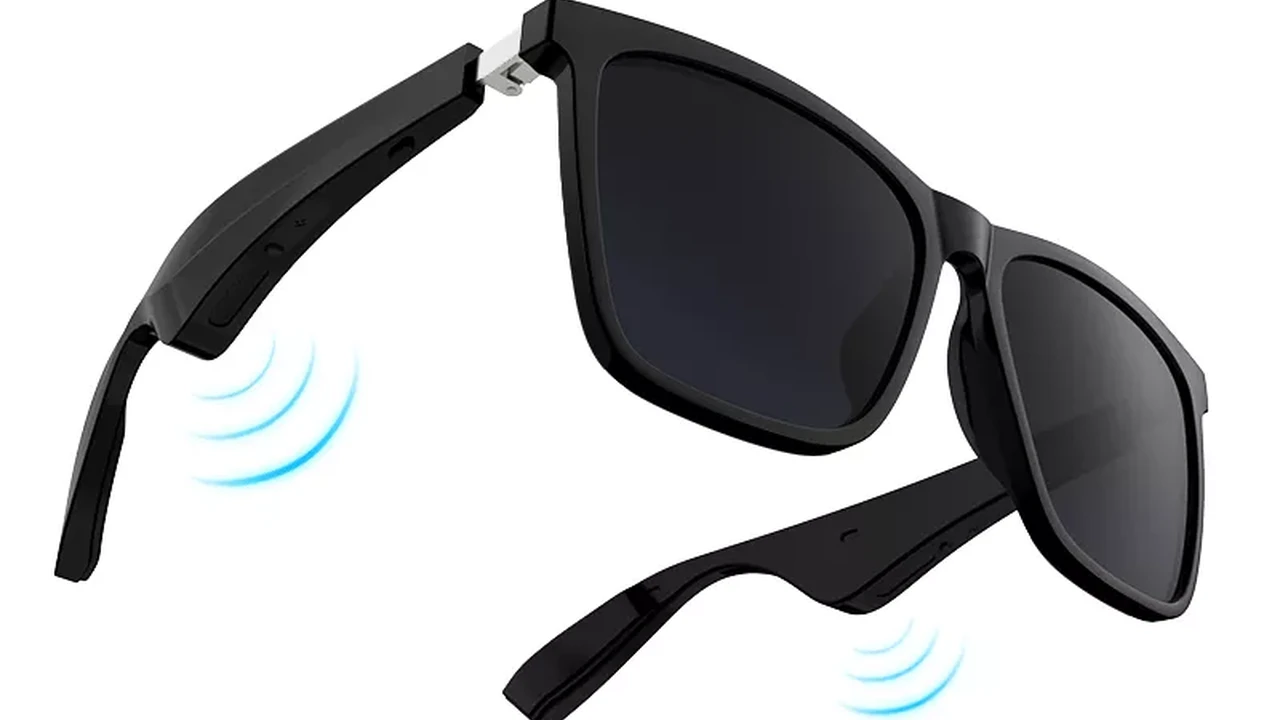
Product Overview: Bose Frames are audio sunglasses that combine the protection and style of sunglasses with the functionality of personal audio devices. They feature miniature Bose speakers discreetly embedded in the temples, delivering rich, immersive sound that only you can hear, while still allowing you to interact with the world around you.
Comfort Features: Bose has a strong reputation for audio comfort, and this extends to their Frames. While slightly heavier than Echo Frames (around 45-50 grams depending on the model), the weight is well-balanced. The frames are made from premium materials that feel good against the skin, and the hinges are designed for durability and a secure yet comfortable fit. The open-ear audio prevents ear fatigue, similar to Echo Frames. They come in various styles and sizes, allowing users to choose a fit that best suits their face shape, further enhancing comfort.
Use Cases: Perfect for outdoor activities, casual listening, and hands-free calls while maintaining situational awareness. Ideal for those who prioritize audio quality in a sunglass form factor.
Pricing: Starting around $199 - $249 USD, depending on the model (e.g., Tempo, Soprano, Tenor).
Comparison: Bose Frames offer superior audio quality compared to many other audio smart glasses, making them a top choice for music lovers who prioritize comfort. They are comparable in weight to Ray-Ban Stories but focus solely on audio, offering a different value proposition. Their comfort is derived from Bose's expertise in wearable audio ergonomics.
4. Nreal Air Immersive Display and Lightweight Form Factor
Product Overview: Nreal Air are consumer-oriented AR glasses that connect to compatible smartphones, tablets, or computers to project a large virtual screen in front of your eyes. They are designed for media consumption, gaming, and productivity on the go, offering a truly immersive visual experience.
Comfort Features: Despite packing advanced display technology, Nreal Air are surprisingly lightweight, weighing around 79 grams. What makes them comfortable for extended viewing is their thoughtful design. They feature adjustable nose pads and three different nose pad sizes included in the box, allowing users to customize the fit and ensure the display is at the optimal viewing angle without putting pressure on the nose. The temple arms are flexible and designed to distribute weight evenly. They also come with a prescription lens insert, ensuring clear vision for those who need it without compromising comfort. The ability to adjust the display angle further reduces eye strain and neck discomfort during long viewing sessions.
Use Cases: Excellent for watching movies on a large virtual screen, mobile gaming, and extending your smartphone or laptop display for productivity while traveling or relaxing. Ideal for tech enthusiasts and digital nomads.
Pricing: Starting around $379 USD.
Comparison: Nreal Air stands out as a comfortable option for visual smart glasses, a category often prone to bulkiness. While heavier than the audio-focused glasses, their comfort is achieved through adjustability and balanced design, making the immersive visual experience enjoyable for longer periods. They offer a different kind of comfort – visual comfort – by providing a large, clear display that reduces eye strain compared to squinting at a small phone screen.
5. Vuzix Blade 2 Enterprise Grade Comfort and Durability
Product Overview: The Vuzix Blade 2 are enterprise-focused smart glasses designed for professional use cases such as remote assistance, workflow guidance, and data visualization. They feature a full-color waveguide display, an HD camera, and robust connectivity options, all within a relatively compact and durable frame.
Comfort Features: While designed for industrial environments, Vuzix has put significant effort into making the Blade 2 comfortable for all-day wear, understanding that professionals will be using them for extended shifts. They weigh approximately 85 grams, which is impressive for a device with a full display and camera. The frame is robust yet designed to distribute weight effectively. They feature adjustable nose pads and temple arms that can be molded for a custom fit, ensuring stability and comfort even during active work. The materials are durable but also skin-friendly, preventing irritation during prolonged contact. Their design allows for prescription inserts, further enhancing their practicality for daily professional use.
Use Cases: Primarily for industrial, healthcare, logistics, and field service professionals who require hands-free access to information, remote expert assistance, and data capture in demanding environments.
Pricing: Typically in the range of $1,299 - $1,499 USD, reflecting their enterprise-grade features and support.
Comparison: Vuzix Blade 2 offers a different kind of comfort – industrial-grade comfort. While heavier than consumer audio glasses, their comfort is paramount for professional users who need to wear them for 8+ hours a day. They are designed to be stable and secure during movement, unlike more casual smart glasses. Their comfort is a testament to engineering for sustained, demanding use, making them a benchmark for enterprise wearability.
Factors Influencing Smart Glasses Comfort and Fit
Beyond the specific models, several universal factors contribute to the overall comfort of smart glasses. Understanding these can help you make an informed decision, even when considering models not on our top list.
Weight Distribution and Balance Ergonomics
The total weight of smart glasses is important, but how that weight is distributed is even more critical. Poorly balanced glasses can put undue pressure on the bridge of the nose or behind the ears, leading to discomfort and headaches. The best designs distribute weight evenly across the entire frame, making the glasses feel lighter than they actually are. Look for models where the battery and other heavy components are strategically placed to maintain balance.
Nose Pad Design and Materials Pressure Points
The nose pads are a primary point of contact and a common source of discomfort. Adjustable nose pads, while offering customization, can sometimes create pressure points if not properly fitted. Integrated nose pads, often found in more traditional-looking frames, can be more comfortable if they match your nose shape. The material of the nose pads also matters; soft, hypoallergenic silicone or rubber can prevent irritation and slippage, especially during prolonged wear or in humid conditions.
Temple Arm Pressure and Flexibility Secure Fit
The temple arms (the parts that extend over your ears) should provide a secure fit without clamping too tightly. Too much pressure can lead to headaches and discomfort behind the ears. Flexible materials, spring hinges, or adjustable temple arm designs can help accommodate different head sizes and shapes, ensuring a snug yet gentle fit. Some smart glasses also feature textured or rubberized temple tips for better grip without pulling hair.
Heat Dissipation and Ventilation Preventing Overheating
Smart glasses contain electronic components that generate heat. Poor heat dissipation can lead to the frames feeling warm or even hot against your skin, causing discomfort. Well-designed smart glasses incorporate passive or active cooling mechanisms to manage heat, ensuring the device remains at a comfortable temperature, especially during intensive use or in warm environments. This is particularly important for models with powerful processors or displays.
Prescription Lens Compatibility and Integration Vision Needs
For users who wear prescription glasses, the ability to integrate their lenses into smart glasses is crucial for comfort and practicality. Some smart glasses offer clip-in prescription inserts, while others allow for direct lens replacement. A seamless integration ensures that the added weight or thickness of prescription lenses does not compromise the overall comfort or balance of the smart glasses. This also eliminates the need to wear two pairs of glasses, which can be cumbersome and uncomfortable.
Tips for Maximizing Smart Glasses Comfort and Wearability
Even with the most comfortable smart glasses, a few tips can help you maximize your wearing experience and ensure all-day comfort.
Proper Fitting and Adjustments Personalized Comfort
Just like regular glasses, smart glasses benefit from proper fitting. If your smart glasses have adjustable nose pads or temple arms, take the time to adjust them to your face. A professional optician might even be able to help with minor adjustments to ensure a perfect fit. The goal is to have the glasses sit securely without any pinching or excessive pressure points.
Regular Cleaning and Maintenance Hygiene and Longevity
Keeping your smart glasses clean is not just about aesthetics; it's also about comfort. Dirt, oils, and sweat can accumulate on the frame and nose pads, leading to skin irritation. Regularly wipe down your smart glasses with a soft, lint-free cloth. For more thorough cleaning, follow the manufacturer's instructions, often involving a mild soap solution. Proper maintenance also ensures the longevity of the materials, preventing degradation that could affect comfort over time.
Taking Breaks and Eye Strain Management Digital Well-being
Even the most comfortable smart glasses can lead to eye strain if used continuously, especially models with displays. Follow the 20-20-20 rule: every 20 minutes, look at something 20 feet away for at least 20 seconds. Taking short breaks allows your eyes to rest and can prevent fatigue. If you experience persistent eye strain or headaches, consult an eye care professional.
Choosing the Right Style for Your Face Shape Aesthetic and Fit
While comfort is paramount, choosing a style that complements your face shape can also enhance the wearing experience. A well-fitting style not only looks better but also tends to sit more comfortably on your face. Many smart glasses now come in various frame styles, allowing you to find one that suits your aesthetic preferences and provides an optimal fit.
Understanding Your Specific Needs and Use Cases Tailored Selection
Finally, consider your primary use case. If you plan to wear your smart glasses for active sports, you'll need a more secure and durable fit than someone using them for casual audio listening. If you're a professional wearing them for long shifts, enterprise-grade comfort and durability will be key. Tailoring your choice to your specific needs will ensure you get the most comfortable and functional smart glasses for your lifestyle.
The pursuit of comfort in smart glasses is an ongoing journey for manufacturers, balancing technological integration with ergonomic design. As the market matures, we can expect even more innovative solutions that prioritize the user's wearing experience, making smart glasses truly feel like a natural extension of ourselves.
:max_bytes(150000):strip_icc()/277019-baked-pork-chops-with-cream-of-mushroom-soup-DDMFS-beauty-4x3-BG-7505-5762b731cf30447d9cbbbbbf387beafa.jpg)