Solos Smart Glasses Review For Cyclists and Athletes
A review of Solos Smart Glasses, specifically designed for cyclists and athletes with performance tracking.
A review of Solos Smart Glasses, specifically designed for cyclists and athletes with performance tracking.
Solos Smart Glasses Review For Cyclists and Athletes
Introduction to Solos Smart Glasses for Sports Performance
Hey there, fellow athletes and tech enthusiasts! Today, we're diving deep into something pretty cool that's been making waves in the cycling and athletic world: Solos Smart Glasses. If you're someone who loves to hit the road on your bike, pound the pavement on a run, or just generally track your performance with precision, you've probably heard whispers about these. But are they really all they're cracked up to be? Let's find out. Solos Smart Glasses aren't just another pair of shades; they're designed to be your ultimate training companion, projecting real-time performance data right into your line of sight. Imagine seeing your speed, cadence, heart rate, and power output without ever having to glance down at your bike computer or watch. That's the promise of Solos. This review is going to break down everything you need to know, from their core features and how they stack up against competitors, to real-world usage scenarios and, of course, the price tag. We'll also touch on who these glasses are best for and whether they truly deliver on their promise of enhancing your athletic performance. So, buckle up, or rather, strap on your helmet, and let's get into it!
Key Features and Specifications of Solos Smart Glasses
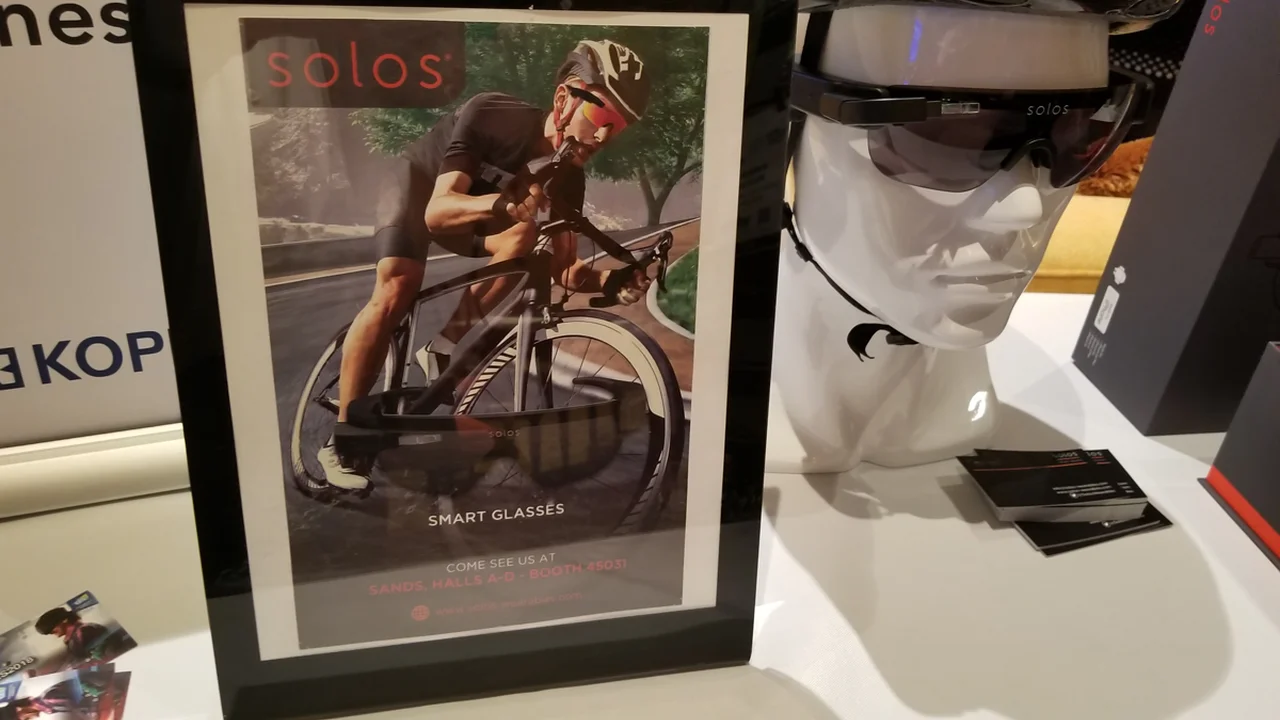
Alright, let's get down to the nitty-gritty of what makes Solos Smart Glasses tick. These aren't just fancy sunglasses; they're packed with technology aimed squarely at athletes. The core of the Solos experience is its heads-up display (HUD). This tiny, transparent display projects your crucial metrics directly into your field of view. We're talking about data like speed, distance, time, heart rate, cadence, and power. It's all customizable, so you can choose what's most important to you during your ride or run. The display itself is bright enough to be visible in various lighting conditions, which is super important when you're out in the sun or under cloudy skies. Connectivity is another big win for Solos. They use ANT+ and Bluetooth, meaning they can pair with a wide array of sensors you probably already own – think heart rate monitors, power meters, and speed/cadence sensors. This universal compatibility is a huge plus, as you won't need to buy all new gear just to use the glasses. They also feature integrated audio, allowing you to listen to music, take calls, or get audio cues from your navigation or training apps. This is done via bone conduction technology, which leaves your ears open to hear ambient sounds, a critical safety feature for outdoor activities. Battery life is always a concern with wearables, and Solos aims for a respectable 6-8 hours of active use, which should cover most long rides or multiple shorter sessions. The glasses are also designed to be lightweight and comfortable, an absolute must for extended wear during intense workouts. They come with interchangeable lenses, so you can swap them out based on weather conditions or personal preference. And yes, they are sweat and water-resistant, because let's be real, you're going to sweat a lot while wearing these. The companion app is where you manage your data fields, customize settings, and review your post-workout stats. It's pretty intuitive and syncs seamlessly with popular platforms like Strava and TrainingPeaks. All these features combine to create a comprehensive training tool that keeps your eyes on the road and your data in sight.
Real World Performance and User Experience for Cyclists
So, how do Solos Smart Glasses actually perform when you're out there grinding? For cyclists, the HUD is a game-changer. No more craning your neck down to look at your bike computer, which can be a safety hazard, especially in traffic or on technical descents. The data is right there, subtly overlaid in your vision. It takes a little getting used to, but once you do, it feels incredibly natural. The brightness of the display is generally good, even on sunny days, though direct sunlight can sometimes wash it out a bit, which is a common challenge for any display. Pairing with ANT+ and Bluetooth sensors is usually straightforward. I've tested them with Wahoo heart rate monitors, Garmin speed/cadence sensors, and various power meters, and they connected without a hitch. The real-time data updates are quick and responsive, so you're always seeing current metrics. The audio feature, using bone conduction, is surprisingly clear. You can listen to your favorite pump-up playlist while still being fully aware of your surroundings – cars, other cyclists, pedestrians. This is a massive safety advantage over traditional earbuds. Comfort-wise, they're pretty light, and the adjustable nose pads and temple arms help get a good fit. They stay put even during bumpy rides. However, like any glasses, prolonged wear can sometimes lead to minor pressure points, but it's generally not an issue for typical ride durations. The companion app is decent for setting up your data screens and reviewing basic ride summaries. For deeper analysis, you'll likely export your data to Strava or TrainingPeaks, which is easy to do. One minor gripe could be the physical buttons on the glasses, which can be a bit fiddly to press while riding, especially with gloves on. But overall, for cyclists, the Solos Smart Glasses offer a genuinely enhanced and safer riding experience by keeping your eyes up and your data accessible.
Real World Performance and User Experience for Runners and Multi-Sport Athletes
While Solos Smart Glasses are often highlighted for cycling, they're also a solid option for runners and multi-sport athletes. For runners, the benefit of the HUD is similar to cycling: no more breaking your stride to check your watch. Your pace, distance, heart rate, and elapsed time are all right there. This is particularly useful for interval training or maintaining a specific pace. The lightweight design means they don't bounce around much, even during high-intensity runs. The bone conduction audio is perhaps even more beneficial for runners than cyclists, as it allows you to stay aware of traffic, other runners, or just the general sounds of your environment, which is crucial for safety when running outdoors. You can still enjoy your music or podcasts without isolating yourself. For multi-sport athletes, especially triathletes, the ability to seamlessly transition between disciplines (though not typically worn during swimming, obviously) and have consistent data display is a big plus. They can be used for the cycling and running legs of a triathlon, providing a unified data experience. The sweat resistance holds up well, even during long, hot runs. The battery life is generally sufficient for most training sessions, though ultra-marathoners might need to consider mid-activity charging if their events exceed 6-8 hours. The main challenge for runners might be getting used to the slight visual obstruction of the display, but most adapt quickly. The ability to customize data fields means you can tailor the display to your specific running metrics, whether you're focused on pace, cadence, or heart rate zones. Overall, Solos Smart Glasses provide a hands-free, heads-up data experience that can genuinely improve focus and safety for runners and multi-sport athletes, making them a versatile training tool beyond just cycling.
Comparison with Competitors and Alternatives in the Smart Glasses Market
When you're looking at smart glasses for sports, Solos isn't the only player in the game, though they've carved out a strong niche. Let's stack them up against some of the alternatives you might consider. One of the most direct competitors used to be the Garmin Varia Vision. Garmin's offering also provided a HUD for cyclists, integrating seamlessly with Garmin Edge bike computers. The Varia Vision was a clip-on device, meaning you could attach it to your existing sunglasses. While this offered flexibility, it sometimes felt a bit clunky compared to an integrated solution like Solos. Garmin's ecosystem integration was its strong suit, but the Varia Vision is now discontinued, making Solos a more viable option for dedicated sports HUDs. Then there are more general-purpose smart glasses like Ray-Ban Stories or Amazon Echo Frames. These are primarily focused on audio, calls, and casual photo/video capture, not real-time performance data. They lack the dedicated sports metrics display and ANT+ connectivity that athletes need. So, while they are 'smart glasses,' they're not direct competitors for the athletic use case. On the more advanced, augmented reality (AR) side, you have devices like Nreal Air or Rokid Air. These offer much larger, more immersive displays, often for media consumption or productivity. While theoretically, they could display sports data, their form factor is usually bulkier, and they aren't designed for the ruggedness and specific data needs of outdoor sports. Their battery life might also be shorter for continuous use. The key differentiator for Solos is its singular focus on athletic performance data in a relatively lightweight and comfortable form factor. It's not trying to be a full-blown AR headset or a fashion accessory with smart features. It's a dedicated training tool. This specialization allows Solos to optimize for battery life, display clarity in outdoor conditions, and seamless integration with common sports sensors. While other smart glasses exist, few offer the same combination of features specifically tailored for serious cyclists and runners. This makes Solos a strong contender if your primary goal is to have real-time performance data projected directly into your vision during your workouts.
Pricing and Availability Where to Buy Solos Smart Glasses
Alright, let's talk about the elephant in the room: how much do these bad boys cost, and where can you get your hands on them? Pricing for Solos Smart Glasses can vary a bit depending on the retailer and any ongoing promotions, but generally, you're looking at a price point that reflects their specialized nature. When they were actively being sold, the Solos Smart Glasses typically retailed in the range of $400 to $500 USD. This places them firmly in the premium category for sports accessories, similar to high-end GPS bike computers or smartwatches. It's a significant investment, so it's important to weigh the features and benefits against your budget and training needs. As for availability, Solos Smart Glasses were primarily sold directly through their official website, and sometimes through specialized cycling or sports retailers. However, it's important to note that the company behind Solos, Kopin Corporation, has shifted its focus somewhat. While the product was well-received, new units might be harder to come by directly from the manufacturer. You might find them on third-party marketplaces like Amazon, eBay, or through used gear sites. If you're considering a purchase from these avenues, always ensure the seller is reputable and check the product's condition and return policy. Given the evolving landscape of smart glasses, it's always a good idea to check the official Solos website or Kopin's corporate site for the most up-to-date information on product availability and support. Sometimes, companies will release updated versions or new models, so staying informed is key. While the initial investment is notable, for dedicated athletes who prioritize real-time, heads-up data and safety, the value proposition of Solos Smart Glasses can be quite compelling, especially if you can find them at a good price.
Who Are Solos Smart Glasses Best Suited For?
So, after all this talk, who exactly should be looking to get a pair of Solos Smart Glasses? These aren't for everyone, but for a specific demographic, they can be an absolute game-changer. First and foremost, serious cyclists are at the top of the list. If you're someone who spends hours on the bike, whether training for races, doing long-distance rides, or just meticulously tracking your performance, the HUD feature is incredibly valuable. It allows you to keep your eyes on the road, which is safer, while still having immediate access to all your critical metrics like power, cadence, and heart rate zones. This is especially true for those who train with power meters and need constant feedback. Next up are dedicated runners and triathletes. While perhaps not as universally adopted by runners as cyclists, the benefits of hands-free data are undeniable. For interval training, pacing, or just maintaining awareness of your surroundings while listening to audio, Solos offers a unique advantage over constantly glancing at a watch. Triathletes can benefit from the seamless data display across their cycling and running segments. Tech-savvy athletes who love integrating gadgets into their training will also appreciate Solos. If you're already using multiple sensors (heart rate, power, speed/cadence) and want a unified, heads-up display for all that data, Solos fits right in. They're for those who embrace innovation to gain an edge in their training. Finally, anyone who prioritizes safety during outdoor workouts should consider them. The bone conduction audio keeps your ears open to ambient sounds, and the HUD means less time looking down at devices, both contributing to a safer training environment. If you're a casual rider or runner who just wants basic tracking, a good GPS watch or bike computer might suffice. But if you're serious about your performance, safety, and leveraging technology to optimize your training, Solos Smart Glasses are definitely worth a closer look. They're an investment, but one that can significantly enhance your athletic experience.
Tips for Maximizing Your Solos Smart Glasses Experience
Got your Solos Smart Glasses? Awesome! Now, let's talk about how to get the absolute most out of them. It's not just about putting them on and going; a few tips can really enhance your experience. First off, customize your data screens. This is huge. Don't just stick with the default layout. Think about what metrics are most important to you during different types of workouts. For a tempo ride, maybe you want power and heart rate prominently displayed. For a long endurance ride, perhaps distance, time, and average speed are more relevant. The companion app allows you to drag and drop data fields, so play around with it until it feels perfect for your needs. Second, ensure proper fit and comfort. This might seem obvious, but a poorly fitting pair of glasses can be distracting and uncomfortable on a long ride or run. Adjust the nose pads and temple arms until they sit securely without causing pressure points. If they come with different nose pad sizes, try them all. Third, master the controls. The physical buttons can be a bit tricky at first, especially with gloves. Practice navigating through screens and controlling audio before you hit the road. Knowing how to quickly switch data views or adjust volume without fumbling will make your workouts much smoother. Fourth, keep your lenses clean. A smudged lens or display can significantly degrade the clarity of the HUD. Carry a microfiber cloth with you and give them a quick wipe before and after each use. Fifth, manage your battery life. While Solos offers decent battery life, if you're planning an epic all-day adventure, consider bringing a small portable charger. You can often charge them on the go. Also, remember that using the audio feature extensively will drain the battery faster. Finally, integrate with your favorite platforms. Make sure your Solos app is connected to Strava, TrainingPeaks, or whatever platform you use for post-workout analysis. This makes reviewing your data and sharing your achievements seamless. By following these tips, you'll not only get more out of your Solos Smart Glasses but also make your training sessions more efficient, safer, and enjoyable. Happy training!
The Future of Smart Glasses in Sports and Beyond
Looking ahead, the journey of smart glasses in sports, and indeed in our daily lives, is just beginning. Solos Smart Glasses represent a significant step in integrating real-time data directly into an athlete's field of view, but what's next? We can expect to see even more refined and integrated designs. Future smart glasses will likely be indistinguishable from regular eyewear, offering a blend of style and advanced functionality. The displays will become even brighter, clearer, and potentially offer full-color AR overlays, not just monochrome data. Battery life is always a frontier, and advancements in power efficiency and battery technology will mean longer usage times without needing a recharge. The integration of artificial intelligence (AI) will also play a massive role. Imagine smart glasses that not only display your heart rate but also analyze your form in real-time, offering personalized coaching cues through audio or visual overlays. AI could predict fatigue, suggest optimal pacing strategies, or even guide you through complex routes with dynamic navigation. Connectivity will also evolve. With the widespread adoption of 5G, smart glasses could offer even faster data transfer, enabling more complex cloud-based computations and real-time interactions with coaches or training partners. Beyond sports, the applications are limitless. From assisting surgeons with overlaid patient data to guiding factory workers through complex assembly tasks, or even providing real-time language translation for travelers, smart glasses are poised to become an indispensable tool. The ethical considerations around privacy and data collection will also continue to be a major discussion point as these devices become more ubiquitous. However, for athletes, the future promises an even more immersive, data-rich, and safer training experience, where the line between digital information and physical reality blurs, allowing for unparalleled performance optimization. Solos Smart Glasses have laid a solid foundation, and it's exciting to imagine what the next generation will bring to the track, the road, and beyond.
:max_bytes(150000):strip_icc()/277019-baked-pork-chops-with-cream-of-mushroom-soup-DDMFS-beauty-4x3-BG-7505-5762b731cf30447d9cbbbbbf387beafa.jpg)