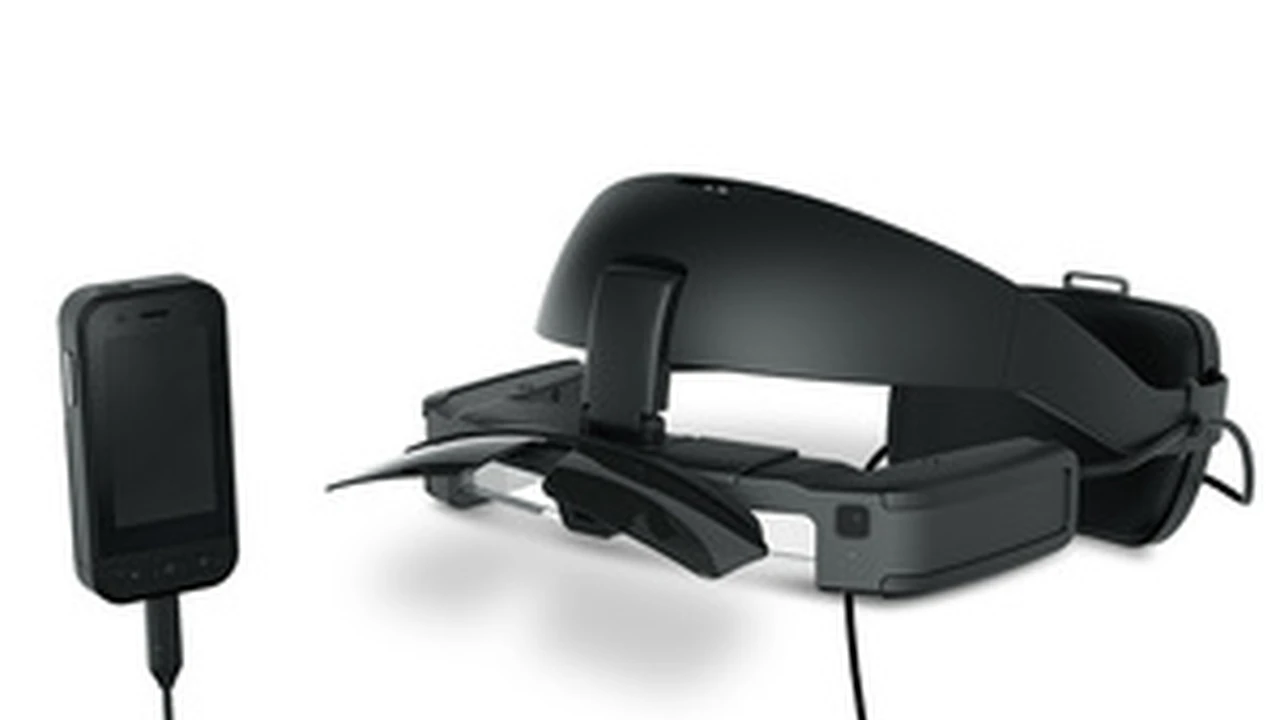
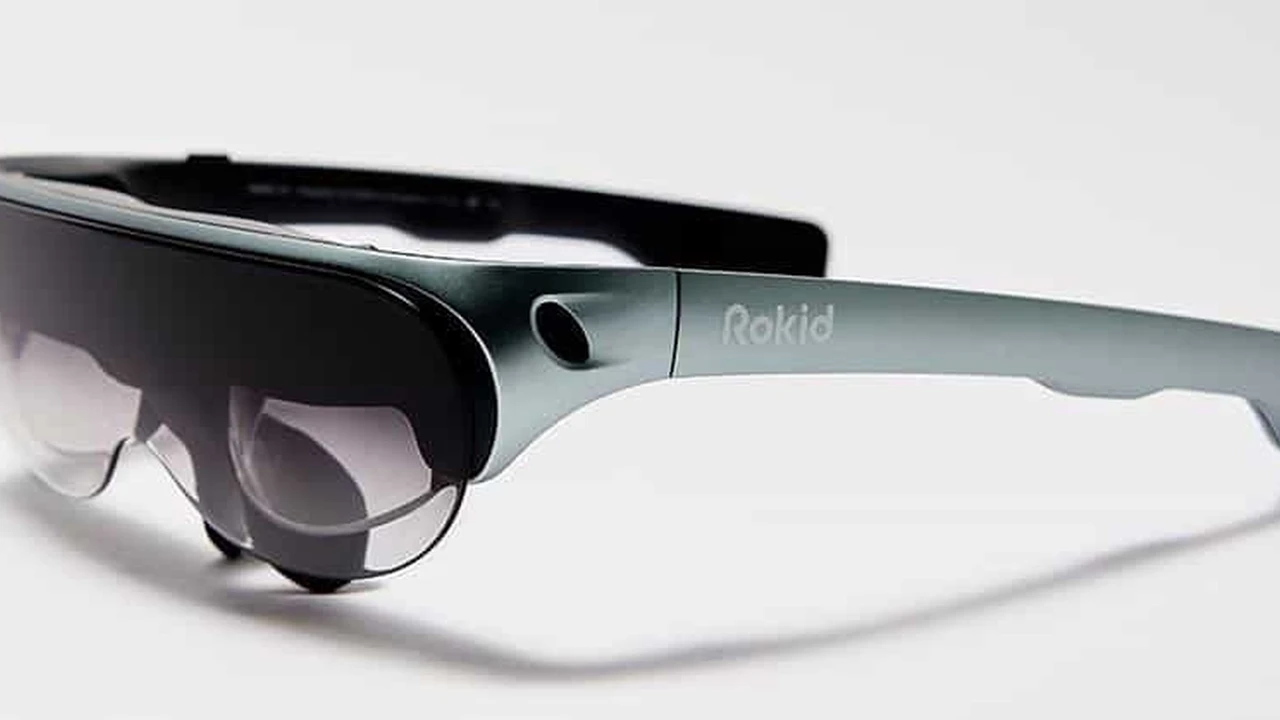
Rokid Air Smart Glasses Review For Entertainment and Productivity
Explore the immersive display and features of Nreal Air smart glasses in our detailed review.
Explore the immersive display and features of Nreal Air smart glasses in our detailed review.
Nreal Air Smart Glasses Review Immersive Display
Unboxing and First Impressions Nreal Air Smart Glasses
Alright, let's talk about the Nreal Air smart glasses. When you first get your hands on the box, it's pretty sleek and minimalist, giving you that premium tech vibe right off the bat. Inside, you'll find the Nreal Air glasses themselves, a detachable cable (USB-C, of course), a nose pad kit with a few different sizes to ensure a comfy fit, a prescription lens insert (super handy for us four-eyes!), a cleaning cloth, and a carrying case. It's a pretty complete package, which is always a good sign.
Picking up the Nreal Air for the first time, you immediately notice how lightweight they are. We're talking about just 79 grams, which is lighter than many traditional sunglasses, let alone other smart glasses on the market. This lightness is a huge plus for extended wear. The design is also quite stylish and discreet. They look more like a pair of slightly chunky sunglasses than a piece of futuristic tech, which is a big win for public wearability. They come in a sleek black finish, and the overall build quality feels solid and well-made.
Connecting them is a breeze. Since they're tethered glasses, you just plug the USB-C cable into your compatible smartphone, tablet, or even a laptop (with the right adapter, more on that later). There's no complex pairing process like with Bluetooth devices, which simplifies things. Once connected, the display springs to life, and that's where the real magic begins.
Display Technology and Visual Experience Nreal Air
Now, let's get to the star of the show: the display. The Nreal Air boasts a Micro-OLED display that projects a virtual screen equivalent to a 130-inch screen viewed from 4 meters away, or an even more massive 201-inch screen in 'Air Casting' mode. That's seriously impressive for something you wear on your face. The resolution is 1920x1080 per eye, delivering a crisp and clear Full HD image. The colors are vibrant, and the contrast is excellent, thanks to that OLED technology. Blacks are truly black, which makes for a much more immersive viewing experience, especially in darker scenes.
The refresh rate is 60Hz, which is standard for most video content and casual gaming. While it's not a super-high refresh rate like some gaming monitors, it's perfectly adequate for watching movies, browsing the web, or playing mobile games. The field of view (FOV) is 46 degrees, which feels quite expansive and fills a good portion of your vision without being overwhelming. It's not a full VR headset experience, but it's definitely more immersive than just looking at your phone screen.
One of the key features here is the 'birdbath' optical system. This is what allows the Nreal Air to project that large virtual screen. It's a clever design that keeps the glasses relatively compact while still delivering a big-screen experience. There's also a brightness of up to 400 nits, which is decent for indoor use. In very bright outdoor conditions, you might find it a bit challenging to see the display clearly, but for most indoor environments, it's more than sufficient.
For those with vision impairments, the Nreal Air includes a magnetic prescription lens insert. This is a game-changer, as it means you don't have to wear your regular glasses underneath or struggle with blurry vision. You simply take the insert to your optometrist, have your prescription lenses fitted, and then snap it into the Nreal Air. It's a thoughtful addition that significantly improves accessibility.
Audio Quality and Controls Nreal Air Smart Glasses
When it comes to audio, the Nreal Air has integrated directional speakers located in the temples. These speakers project sound towards your ears, providing a personal audio experience without completely isolating you from your surroundings. This is great for safety, as you can still hear what's going on around you. The sound quality is surprisingly good for integrated speakers, offering clear dialogue and decent bass for casual listening. However, for a truly immersive audio experience, especially for movies or music, you'll probably want to connect your own headphones via Bluetooth to your phone or directly to the glasses if they support it (which they don't, as they are tethered to your phone for processing).
Controls on the Nreal Air are pretty straightforward. There are physical buttons on the temples for adjusting volume and controlling the display. You can usually find a brightness control and a 2D/3D mode switch. The primary interaction, however, comes from your connected device. When paired with a compatible Android phone, you can use the phone as a pointer or trackpad to navigate the Nreal Air's Nebula UI (more on that next). This makes for a very intuitive and familiar control scheme.
Nebula UI and Software Experience Nreal Air
The Nreal Air's software experience is powered by its Nebula UI. This is where the magic of augmented reality (AR) comes into play. When you launch Nebula on a compatible Android phone, it transforms your phone into a 3D controller, allowing you to interact with virtual screens and applications projected into your real-world environment. You can pin multiple virtual screens around you, creating a multi-monitor setup that's incredibly useful for productivity or just having several apps open at once.
Nebula offers two main modes: 'Air Casting' and 'AR Space'. Air Casting essentially mirrors your phone's screen onto a massive virtual display in front of you. This is perfect for watching movies, browsing social media, or playing mobile games on a huge screen. It's like having a portable cinema in your pocket. AR Space, on the other hand, is where the true AR capabilities shine. In this mode, you can launch AR applications, browse the web in a spatial environment, or even play AR games. The virtual content is anchored to your real-world surroundings, creating a more interactive and immersive experience.
Compatibility is key here. While the Nreal Air works with a wide range of Android phones that support DisplayPort over USB-C, the full Nebula AR experience is currently optimized for a more limited set of devices, primarily newer Samsung, OnePlus, and Google Pixel phones. For iPhones, you'll need an adapter (like the Nreal Adapter or a third-party HDMI to USB-C adapter with power delivery) to use Air Casting mode, but you won't get the full AR Space experience. This is an important consideration for potential buyers.
Use Cases and Practical Applications Nreal Air
The Nreal Air truly shines in several use cases, making it a versatile smart glasses option.
Portable Cinema and Entertainment Nreal Air
This is arguably the killer app for the Nreal Air. Imagine watching your favorite movies or TV shows on a 130-inch screen while on a plane, train, or even just lounging on your couch. The immersive display makes for an incredible personal cinema experience. It's also fantastic for mobile gaming, turning your phone's small screen into a giant display, making games like Genshin Impact or Call of Duty Mobile feel much more epic. You can even connect it to a Nintendo Switch (with an adapter) for a truly portable big-screen gaming setup.
Productivity and Multi-Screen Work Nreal Air
For those who crave more screen real estate, the Nreal Air can be a game-changer. In AR Space, you can project multiple virtual screens, allowing you to have your email open on one screen, a document on another, and a web browser on a third. This is particularly useful for remote workers, digital nomads, or anyone who needs to multitask on the go. While it's not a full desktop replacement, it significantly enhances productivity compared to a single laptop screen.
Casual AR Experiences Nreal Air
While not as robust as dedicated AR headsets, the Nreal Air offers a taste of augmented reality. You can browse the web in a spatial environment, interact with 3D models, or play some of the AR games available through Nebula. It's a fun way to experience AR without the bulk and cost of more professional-grade devices.
Gaming on the Go Nreal Air
Beyond mobile gaming, the Nreal Air can also be used with cloud gaming services like Xbox Game Pass or Google Stadia (if you have a compatible phone and good internet). This turns your phone into a powerful gaming console, with the Nreal Air providing the massive display. It's a fantastic way to enjoy console-quality games anywhere.
Comparison with Competitors Nreal Air vs Others
Let's put the Nreal Air into perspective by comparing it to some other smart glasses on the market.
Nreal Air vs Ray-Ban Stories
These two are quite different beasts. Ray-Ban Stories are primarily about capturing photos and videos discreetly, listening to audio, and making calls. They are fashion-first, tech-second. The Nreal Air, on the other hand, is all about the immersive display. While Ray-Ban Stories have a camera, the Nreal Air does not. If your priority is a big virtual screen for media consumption and productivity, Nreal Air wins. If you want to capture moments and have a stylish audio accessory, Ray-Ban Stories are better. Price-wise, Ray-Ban Stories typically start around $299, while Nreal Air is usually in the $379-$399 range.
Nreal Air vs Rokid Air
The Rokid Air is a direct competitor to the Nreal Air, offering a very similar tethered AR glasses experience. Both feature Micro-OLED displays and offer a large virtual screen. The Nreal Air generally has a slightly wider field of view (46 degrees vs. Rokid Air's 43 degrees) and a slightly higher brightness. Rokid Air often boasts a slightly lighter weight (75g vs. Nreal Air's 79g). Both require a compatible phone for full functionality. The choice often comes down to subtle differences in display quality, comfort, and software ecosystem. Pricing is also very similar, often hovering around the $350-$400 mark.
Nreal Air vs XREAL Air 2 Pro
It's important to note that Nreal rebranded to XREAL. The XREAL Air 2 Pro is the successor to the Nreal Air. The Air 2 Pro brings several improvements, including a brighter display (up to 500 nits), a higher refresh rate (up to 120Hz), and electrochromic dimming, which allows you to adjust the transparency of the lenses with a button press. This is a significant upgrade for outdoor use. The Air 2 Pro also features improved audio and a more comfortable design. If you're looking for the absolute best experience and don't mind paying a bit more, the XREAL Air 2 Pro (typically around $449-$499) is the superior choice. However, the original Nreal Air still offers excellent value for its price.
Nreal Air vs Dedicated VR Headsets (e.g., Meta Quest 2)
This isn't really a fair comparison, as they serve different purposes. VR headsets like the Meta Quest 2 are designed for full immersion, blocking out the real world entirely. They offer 6DoF (six degrees of freedom) tracking, allowing you to move freely in virtual environments. The Nreal Air, being AR glasses, overlays virtual content onto your real world and typically offers 3DoF tracking (head rotation only). If you want to play VR games or experience fully immersive virtual worlds, a VR headset is what you need. If you want a portable big screen for media and light AR that keeps you aware of your surroundings, the Nreal Air is the way to go. Price-wise, the Meta Quest 2 starts around $299, but the experiences are fundamentally different.
Pricing and Availability Nreal Air Smart Glasses
The Nreal Air smart glasses typically retail for around $379 to $399 USD. Prices can vary slightly depending on the retailer and any ongoing promotions. You can usually find them on major online electronics retailers like Amazon, Best Buy, or directly from the XREAL (formerly Nreal) website. Given the immersive display technology and the overall package, this price point offers significant value, especially for those looking for a portable big-screen experience.
As mentioned, for iPhone users, you'll need to factor in the cost of an adapter, such as the XREAL Adapter, which usually costs an additional $59 to $69 USD. This adapter is essential for connecting your iPhone and enabling the Air Casting mode. Without it, iPhone compatibility is non-existent.
It's worth keeping an eye out for bundles or sales, especially around major shopping holidays. Sometimes, retailers might offer discounts or include accessories like the adapter at a reduced price. Also, consider checking refurbished options from reputable sellers if you're on a tighter budget, as this can sometimes save you a good chunk of change.
Pros and Cons Nreal Air Smart Glasses
Advantages of Nreal Air
- Incredibly Immersive Display: The large virtual screen (130-inch or 201-inch equivalent) with Micro-OLED technology delivers stunning visuals, vibrant colors, and deep blacks.
- Lightweight and Comfortable: At just 79 grams, they are easy to wear for extended periods without discomfort.
- Stylish and Discreet Design: They look more like regular sunglasses, making them more socially acceptable for public use.
- Portable Cinema Experience: Perfect for watching movies, TV shows, and playing mobile games on a massive screen anywhere.
- Productivity Booster: The ability to create multiple virtual screens in AR Space enhances multitasking for work or study.
- Prescription Lens Insert: A thoughtful inclusion for users who wear glasses, ensuring clear vision.
- Simple Plug-and-Play: Easy to connect to compatible devices via USB-C, no complex pairing needed.
Disadvantages of Nreal Air
- Tethered Design: Requires a physical cable connection to a smartphone or other device, which can be a bit cumbersome.
- Limited iPhone Compatibility: Full AR Space experience is not available for iPhones; only Air Casting with an additional adapter.
- Dependent on Phone Processing: The performance and battery life are tied to your connected device.
- No Built-in Battery: Draws power directly from the connected device, potentially draining your phone's battery faster.
- Average Audio Quality: While decent for integrated speakers, dedicated headphones are recommended for the best audio experience.
- Not a Full VR Headset: Lacks 6DoF tracking and full immersion of dedicated VR devices.
- Outdoor Visibility: Can be challenging to see the display clearly in very bright outdoor sunlight.
Final Thoughts and Recommendation Nreal Air
So, who are the Nreal Air smart glasses for? If you're someone who travels frequently and wants a portable cinema, or if you're a mobile gamer looking for a massive screen experience, the Nreal Air is an excellent choice. It's also a solid option for remote workers or students who could benefit from a multi-screen setup on the go without carrying multiple monitors.
The immersive Micro-OLED display is truly the standout feature here, delivering a visual experience that's hard to beat at this price point for a wearable device. While the tethered design and reliance on a compatible phone might be drawbacks for some, the benefits of a lightweight, stylish, and incredibly versatile display often outweigh these minor inconveniences.
If you're an Android user with a compatible phone, especially one that supports the full Nebula AR Space, the Nreal Air offers a glimpse into the future of personal computing and entertainment. For iPhone users, it's still a fantastic portable display, but be aware of the adapter requirement and the lack of full AR features. Overall, the Nreal Air provides a compelling and unique value proposition in the smart glasses market, making it a highly recommended gadget for media consumption and productivity on the go.
:max_bytes(150000):strip_icc()/277019-baked-pork-chops-with-cream-of-mushroom-soup-DDMFS-beauty-4x3-BG-7505-5762b731cf30447d9cbbbbbf387beafa.jpg)